
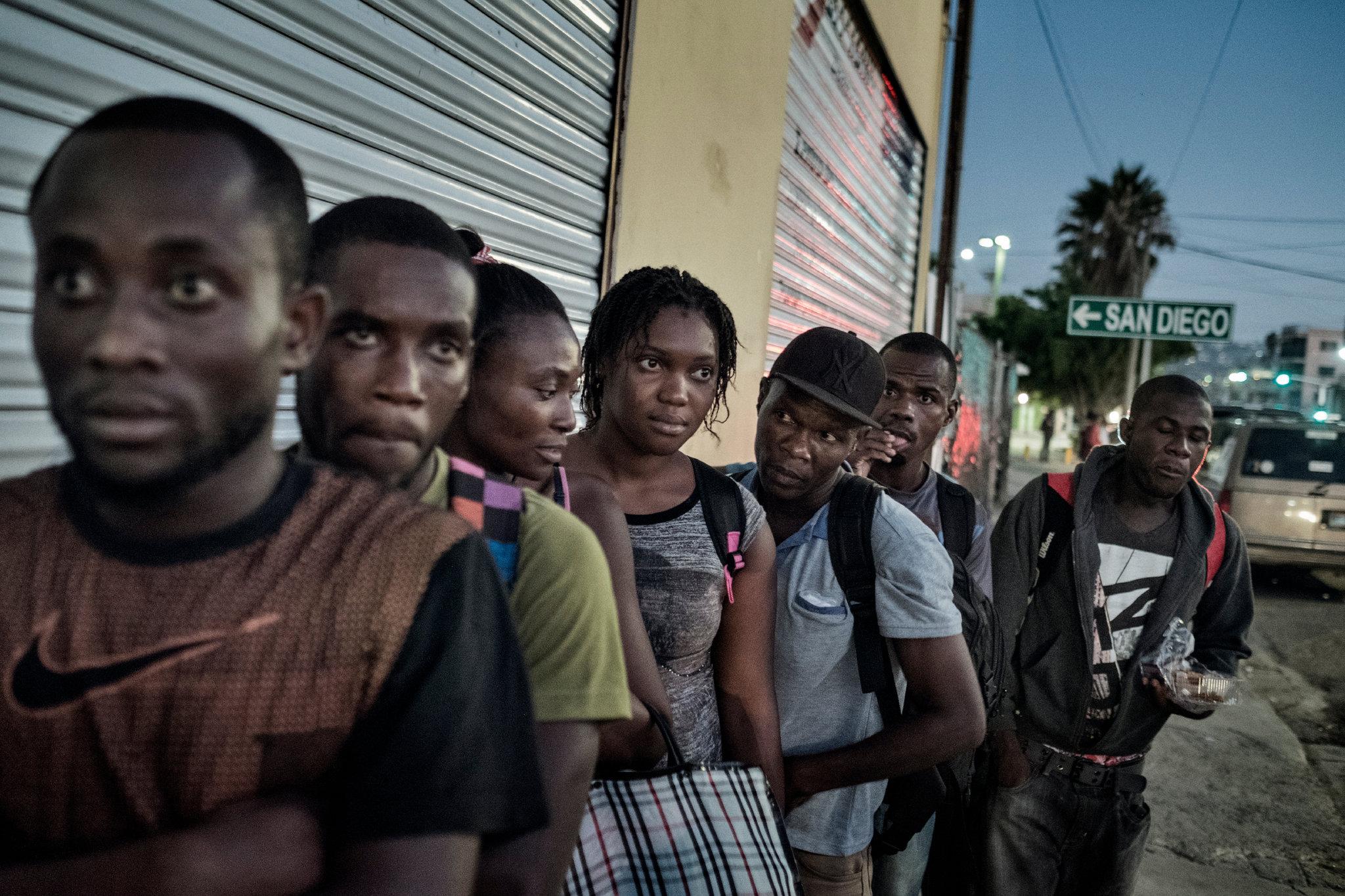
In a pivotal ruling that has significant implications for migration policies in the United States, a federal judge has restored Temporary Protected Status (TPS) for nationals from Haiti and Venezuela, countries grappling with economic and political instability. This decision comes amid rising concerns over the humanitarian crises in these nations, which have prompted thousands to seek refuge in the U.S. As President Donald Trump’s administration reshapes immigration policies, the implications of TPS restoration are particularly noteworthy for Latin American relations and migration patterns. In this article, we will explore the ramifications of the judge’s decision, the broader context of migration from Haiti and Venezuela, and how these developments intersect with Trump’s ongoing policies in Latin America.
Restoration of Temporary Protected Status: A Lifeline for Haitians and Venezuelans
The recent judicial decision to restore Temporary Protected Status (TPS) for Haitians and Venezuelans brings hope and relief to thousands of families grappling with instability and violence in their home countries. This legal reprieve allows individuals who have been granted TPS to extend their stay in the United States without the fear of deportation, enabling them to build lives and contribute to their communities. Advocates have hailed this ruling as a critical lifeline during a time of increasing turmoil in both nations. The extension not only reflects the ongoing humanitarian crises in Haiti and Venezuela but also underscores the importance of a compassionate immigration policy in the face of global challenges.
With the restoration of TPS, those eligible can benefit from various support systems, which include:
- Work Authorization: Allowing individuals to obtain legal employment, thereby improving their financial stability.
- Access to Healthcare: Ensuring that vulnerable populations receive necessary medical assistance.
- Educational Opportunities: Facilitating access to education and vocational training programs.
This decision not only affirms the U.S. commitment to protecting those fleeing dire circumstances but also energizes local economies by integrating skilled workers into the labor market. The implications of this ruling are vast, providing not just a temporary reprieve but a stabilizing force for families striving for a better future amidst uncertainty.
Impact of TPS Restoration on Migration Patterns in Latin America
The recent legal decision to restore Temporary Protected Status (TPS) for nationals from Haiti and Venezuela marks a significant shift in the migration landscape of Latin America. TPS offers a lifeline to individuals from countries experiencing ongoing conflict, environmental disasters, or extraordinary conditions, permitting them to reside and work in the U.S. without the fear of deportation. As these protections are reinstated, many individuals who had previously faced uncertainty about their immigration status can now stabilize their lives and contribute to their communities, both economically and socially. This restoration may also encourage more individuals from these nations to consider migration, knowing they will have the opportunity to seek safety and rebuild their lives in the U.S. without the anxiety of immediate removal.
The implications of TPS restoration extend beyond individual lives to influence broader migration patterns across Latin America. Potential outcomes include:
- Increased migration from Haitians and Venezuelans as they opt for the U.S. as a safer destination.
- A shift in smuggling routes and networks due to increased migration flows.
- Strain on local resources in states and cities experiencing an influx of new arrivals.
To provide insight into the changing dynamics, the following table highlights key factors influencing migration trends post-TPS restoration:
| Country | TPS Impact | Migration Drivers |
|---|---|---|
| Haiti | Restored TPS for Haitians | Political instability, economic collapse |
| Venezuela | Restored TPS for Venezuelans | Humanitarian crisis, violence |
Recommendations for Policy Reforms to Support TPS Recipients and Enhance Regional Stability
In light of the recent judicial decision restoring Temporary Protected Status (TPS) for Haitian and Venezuelan nationals, it is imperative to advocate for comprehensive policy reforms that not only support these vulnerable populations but also contribute to broader regional stability. Policymakers should consider the following measures to bolster the effectiveness of TPS:
- Streamline the TPS Application Process: Simplifying bureaucratic procedures can expedite assistance and reduce the burden on families seeking refuge.
- Extend TPS Duration: Longer TPS designations would not only provide security for recipients but also allow them to invest in their communities and contribute positively to the economy.
- Enhance Work Authorization: Ensuring that TPS recipients receive immediate and renewable work permits can help them support themselves and their families while fostering economic integration.
Additionally, the U.S. must take a proactive stance in addressing the root causes of migration from Haiti and Venezuela. A multi-faceted approach should involve:
- Increased Foreign Aid: Directing financial resources and technical assistance to rebuilding efforts and stabilizing governance in affected nations.
- Diplomatic Engagement: Strengthening diplomatic relations with Latin American countries to foster cooperative migration management and enforcement of human rights.
- Regional Cooperation Initiatives: Collaborating with neighboring nations to create joint programs that address shared challenges related to migration and economic instability.
Closing Remarks
As the complexities of migration continue to shape the political landscape in Latin America and the United States, the recent judicial decision to restore Temporary Protected Status (TPS) for Haitians and Venezuelans offers a much-needed glimmer of hope for many families facing uncertainty. This ruling not only reinstates vital protections for vulnerable populations but also underscores the ongoing challenges and discussions surrounding immigration policy under the Biden administration.
As the situation evolves, the implications of this decision will undoubtedly reverberate across the region, influencing future migration trends and the political discourse in both nations. The American Society of Councilors of the Americas (AS/COA) will continue to closely monitor these developments, providing insights and analysis on how these policies impact migrants and the broader geopolitical landscape in Latin America. As we look ahead, the question remains: how will the interplay of U.S. immigration policy and regional stability continue to shape the lives of those seeking refuge and a better future?









