Introduction:
In recent years, Haiti has descended deeper into a cycle of violence and lawlessness, with armed gangs asserting dominance over large swathes of the country. As the Caribbean nation grapples with political instability, economic despair, and a deteriorating security situation, a troubling development has emerged: the proliferation of American firearms fueling the gangs’ formidable capabilities. In an alarming trend highlighted by the Financial Times, the influx of these weapons is transforming local criminal groups into organized militia-like forces, posing a significant challenge to both Haitian authorities and the international community. This article delves into the complex web of gun trafficking, the socio-political ramifications for Haiti, and the urgent need for solutions to address a crisis that threatens to spiral beyond control.
American Firearms Fueling Gang Militarization in Haiti
The proliferation of American firearms has played a pivotal role in transforming gangs in Haiti into heavily militarized entities, exacerbating the ongoing crisis in the nation. Over the past few years, the escalation of violence can largely be attributed to the ready availability of high-caliber weapons, which have flooded the market from the United States. Issues such as
- Illegal arms trafficking fueling gang conflicts
- A lack of regulatory measures on firearm exports
- Corruption and political instability facilitating the purchase and distribution of arms
have collectively contributed to the growing power and influence of these gangs, enabling them to operate like paramilitary forces rather than traditional criminal organizations.
As Haitian police struggle to maintain order, the overwhelming firepower of these organized groups poses an immense challenge, one compounded by limited resources and international support. Reports indicate that not only are the gangs acquiring firearms, but they are also receiving military-grade equipment, including:
- Assault rifles
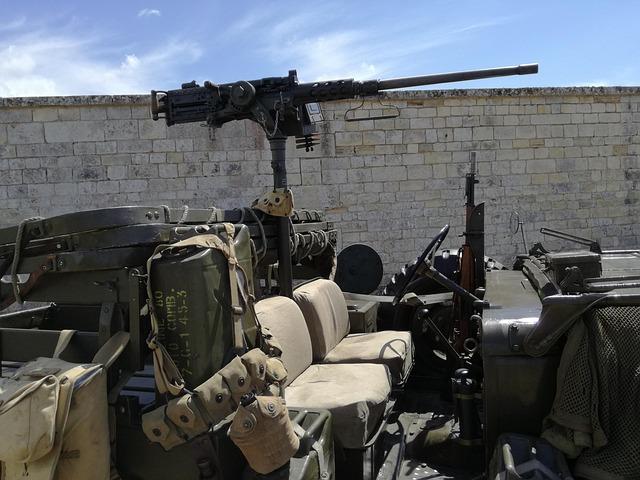
- Heavy machine guns
- RPGs and grenades
This militarization not only heightens the threat to local communities but also complicates the response by law enforcement and international intervention efforts, perpetuating a cycle of violence and instability in the region.
Examining the Impact of Foreign Arms on Local Power Dynamics
The influx of foreign arms into Haiti has dramatically altered the power landscape, enabling gangs to operate with extraordinary military-like capabilities. This shift raises critical questions about sovereignty and governance, as these non-state actors, once primarily engaged in local crime, are now equipped to engage in large-scale territorial conflicts. The supplies of American firearms, in particular, have facilitated a level of organization and aggression among gangs, transforming them from disparate factions into a formidable force that challenges state authority. As local police struggle to match this growing firepower, the government finds itself increasingly unable to maintain order.
In this volatile environment, the dynamics of power are continuously shifting. Key impacts include:
- Expansion of Gang Territories: With advanced weaponry, gangs have expanded their control over various regions, undermining police presence.
- Increased Violence: The use of military-grade arms has led to a surge in violent confrontations, both between gangs and against law enforcement.
- Weakening of State Institutions: The inability of the government to counteract these gangs has resulted in diminished public trust in state institutions.
- International Intervention Risks: The situation may prompt foreign intervention, complicating the sovereignty and self-determination of Haiti.
Data highlighting this evolving crisis reveals alarming trends:
| Year | Reported Gang Violence Incidents | % Increase Year-Over-Year |
|---|---|---|
| 2021 | 1,200 | – |
| 2022 | 2,500 | 108% |
| 2023 | 4,000 | 60% |
This data starkly illustrates the escalating crisis, as well as the urgent need for comprehensive strategies that address not just the arms supply issue, but also the underlying political and social challenges facing Haiti. The interplay between external arms and local gang politics may determine the future trajectory of governance and stability in the nation.
Strategies for International Community Intervention and Support
Addressing the escalating violence in Haiti necessitates a multifaceted approach that acknowledges the complexity of the situation. International coalitions can play a critical role by integrating support strategies that prioritize local empowerment and sustainable solutions. Efforts might include:
- Community-based programs: Investing in education and vocational training to create economic opportunities and reduce the allure of gang involvement.
- Strengthening local governance: Supporting legitimate leadership with the resources and training necessary to rebuild trust within communities.
- Fostering regional collaborations: Engaging neighboring countries to establish a framework for shared security and stability.
- Humanitarian aid: Providing immediate assistance, including food, medical care, and housing, to address the urgent needs of displaced populations.
As the situation unfolds, it’s vital for international actors to move beyond a purely militaristic response. Sustainable intervention strategies must be crafted to dismantle the root causes of gang proliferation. A focused emphasis on long-term developmental aid can be more effective than short-term tactics. Solutions could include:
| Strategy | Expected Outcome |
|---|---|
| Investing in youth programs | Reduces gang recruitment by providing alternatives |
| Local law enforcement training | Increases community safety and trust in police |
| Economic partnerships | Promotes job growth and stability |
The Way Forward
As the situation in Haiti continues to deteriorate, the alarming rise of heavily armed gangs fueled by American firearms underscores a pressing humanitarian and political crisis. The convergence of organized violence and external influences presents an urgent challenge for local authorities as well as international stakeholders. Addressing this complex issue requires a multifaceted approach that prioritizes both the disarmament of these factions and the restoration of law and order. As the world watches, the implications of this armed escalation extend beyond Haiti’s borders, raising critical questions about security, sovereignty, and the role of foreign intervention in stabilizing a nation on the brink. The need for a coordinated response is more urgent than ever, as the fate of countless lives hangs in the balance amidst a growing tide of violence and instability.