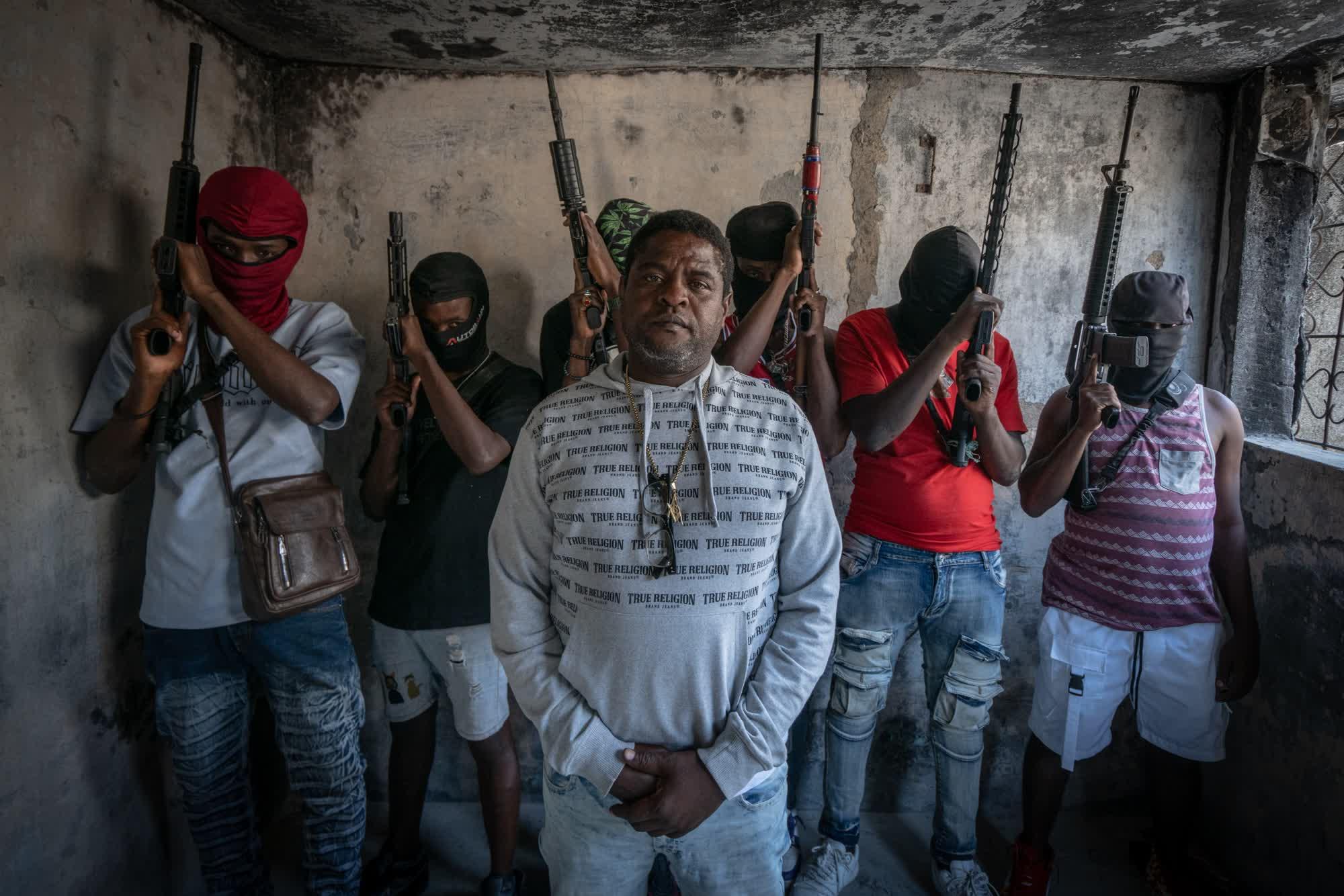
As violence and instability escalate in Haiti, gangs are reportedly preparing for further attacks on the capital, Port-au-Prince, exacerbating the country’s ongoing humanitarian crisis. In a move that has drawn significant attention, the United States has announced a freeze on critical aid intended to support a security mission aimed at restoring order in the region. This decision raises questions about the future of security assistance in Haiti, a nation grappling with rampant gang activity, political turmoil, and economic hardship. With the stakes higher than ever, local communities face increasing uncertainty as gangs grow bolder, while international support remains in jeopardy. This article delves into the implications of these developments and explores the potential consequences for Haiti’s already fragile situation.
Gangs Threaten Stability in Haiti’s Capital as U.S. Aid Suspension Raises Concerns
The security situation in Haiti’s capital is deteriorating rapidly as gangs prepare for a series of assaults that threaten to destabilize the city. Residents live in fear as armed groups have increasingly gained control over strategic areas, leading to violent clashes and rising crime rates. Key issues contributing to this turmoil include:
- Increased Gang Presence: The number of gangs has surged, claiming entire neighborhoods.
- Rising Violence: Shootouts and kidnappings are becoming commonplace.
- Weak Law Enforcement: The overwhelmed police force struggles to respond effectively.
The recent suspension of U.S. aid adds a troubling layer to this precarious landscape. Critical funding that supports security missions has been frozen, raising alarms among humanitarian organizations and local leaders. With the lack of financial resources, law enforcement agencies may find it increasingly difficult to combat gang influence. Important statistics illustrate the gravity of the situation:
| Year | Number of Gangs | Violent Incidents |
|---|---|---|
| 2021 | 100+ | 1,200+ |
| 2022 | 150+ | 2,500+ |
| 2023 | 200+ | 3,700+ |
This table highlights the staggering rise in gang activities and violent incidents, underscoring the urgency for support and intervention at a time when the stability of the capital is at stake. Activists and community leaders fear that without immediate action, the cycle of violence and instability will continue to spiral out of control.
Urgent Need for Multinational Support to Restore Order Amid Rising Violence
The situation in Haiti has reached a critical juncture as gang violence escalates, posing an alarming threat to the stability of Port-au-Prince and its surrounding areas. With escalating attacks and increasing lawlessness, the demand for external assistance is more pressing than ever. Local law enforcement agencies are overwhelmed, struggling to maintain control as armed groups capitalize on the chaos. The humanitarian crisis continues to deepen, prompting calls for immediate multinational intervention to address both security needs and support the urgent delivery of necessities such as food and medical aid.
In light of these developments, key international players must come together to provide strategic support for stabilizing the country. The following actions are critical for restoring order and rebuilding trust in institutions:
- Deployment of international peacekeeping forces to enhance security.
- Provision of technical support to local law enforcement for effective crime prevention.
- Collaboration with community leaders to foster dialogue and reconciliation.
- Establishing humanitarian corridors for aid delivery to affected populations.
| Action Needed | Expected Outcome |
|---|---|
| International Peacekeeping | Restored security and stability |
| Technical Assistance | Enhanced effectiveness of local law enforcement |
| Community Engagement | Improved trust and reduced violence |
| Humanitarian Support | Relief for displaced populations |
Strategic Recommendations for Long-term Security Solutions in Haiti’s Crisis
In the face of escalating violence and instability in Haiti, comprehensive and multifaceted strategies are essential to bolster long-term security solutions. First and foremost, the international community must prioritize the reallocation of resources to support local law enforcement capacities. This includes:
- Training and employing community policing methods to build trust between law enforcement and residents.
- Investing in technology for surveillance and crime reporting, ensuring a rapid response to gang activities.
- Supporting judicial reform to enhance the legal framework against gang-related crimes.
In addition, it is crucial to address the root causes of the crisis through socioeconomic initiatives aimed at poverty alleviation. Effective programs should focus on:
- Job creation in vulnerable neighborhoods to reduce the allure of gang involvement.
- Educational opportunities and vocational training to empower the youth.
- Community development projects that foster resilience and unity against violence.
Furthermore, a collaborative approach involving local leaders, community organizations, and international stakeholders can create a more stable environment conducive to peace. A detailed overview of potential measures is outlined in the table below:
| Measure | Description | Expected Outcome |
|---|---|---|
| Community Policing | Engaging locals in security efforts | Increased trust and cooperation |
| Economic Initiatives | Job creation and training programs | Reduced poverty and gang recruitment |
| Judicial Support | Strengthening the legal system | Effective prosecution of criminals |
To Conclude
In summary, as Haiti’s capital braces for an impending surge of violence from powerful gangs, the recent decision by the U.S. to freeze vital aid aimed at bolstering security efforts raises significant concerns about the stability of the region. With the situation growing increasingly precarious, the dual challenge of addressing immediate threats while navigating the complexities of international aid underscores the urgent need for a comprehensive and cohesive approach. As Haiti grapples with both internal strife and external support dilemmas, the international community’s response in the coming days will be critical in determining the nation’s path towards stability and security. This precarious moment serves as a stark reminder of the interwoven fabric of global affairs and local crises, demanding sustained vigilance and action.