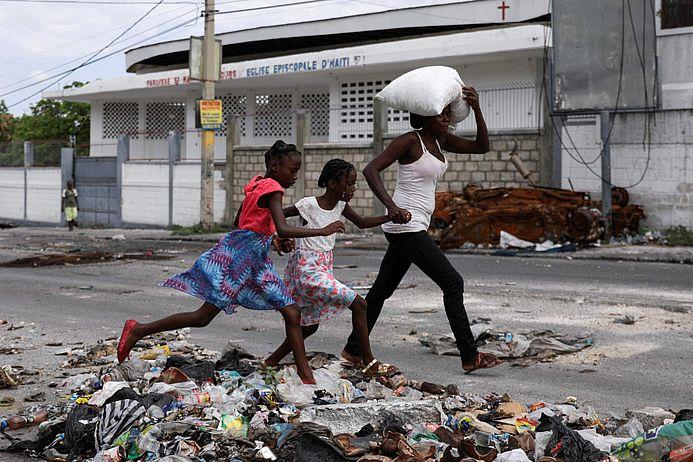
In a bid to bolster efforts against the escalating gang violence in Haiti, the United States is reaching out to its international partners for increased support and resources. Recognizing the dire situation in the Caribbean nation, where armed groups have seized control of vast territories, the U.S. administration is urging allies to contribute more to the ongoing anti-gang mission aimed at restoring stability and security. This call for assistance underscores the urgency of the crisis, as Haiti grapples with socioeconomic challenges and a humanitarian crisis exacerbated by lawlessness. As international actors weigh their responses, attention is focused on how collective action can address the pressing needs of the Haitian people and curb the influence of powerful gangs.
US Urges International Allies to Increase Support for Haiti’s Anti-Gang Efforts
The United States has intensified its call for international allies to bolster their contributions towards Haiti’s anti-gang operations, emphasizing the urgent need for collaborative action in the face of escalating violence and instability. Amid a dramatic rise in gang-related activities, which have crippled daily life and governance in Haiti, the US administration believes that coordinated international support is crucial for restoring order and rebuilding the nation. This appeal highlights several key areas where increased assistance could make a significant impact:
- Funding for Security Forces: Enhanced financial resources for training and equipping local law enforcement.
- Humanitarian Aid: Support for communities affected by gang violence through food, healthcare, and safe shelter.
- Technical Assistance: Expertise in policing, legal reform, and community outreach initiatives to build sustainable governance.
To visualize the growing need for collective action, the following table illustrates the current state of Haitian security dynamics and international assistance levels:
| Aspect | Current Status | Proposed International Support |
|---|---|---|
| Gang Violence Incidents | Over 1,000 monthly | Targeted interventions to disrupt operations |
| Police Funding | Significantly insufficient | Increased budget allocations |
| Humanitarian Needs | 70% of population in need | Emergency relief and long-term recovery funds |
As discussions continue among global leaders, the Biden administration is pushing for a united front that emphasizes responsibility sharing and sustained engagement, aiming to stabilize Haiti and prevent further deterioration in the region. This strategic partnership is seen not only as a humanitarian obligation but also as a crucial measure for regional security and combating transnational crime.
Key Challenges Facing Haiti’s Security Forces Amid Rising Gang Violence
The escalating gang violence in Haiti has severely undermined the effectiveness of the nation’s security forces, which are grappling with a myriad of challenges. These include inadequate resources, lack of training, and insufficient personnel to combat the well-armed and organized gangs that now control significant portions of the country. The difficulty in coordinating operations is further compounded by the dire humanitarian situation, which forces security personnel to juggle their roles between protecting civilians and addressing the urgent needs of the populace. The Haitian National Police (HNP), while dedicated, often find themselves outmatched in terms of firepower and strategy by the gangs, leading to a crisis of confidence among the general public in their ability to maintain order.
In addition to logistical and operational hurdles, there are pressing issues of corruption and distrust within the ranks of the security forces themselves. Many citizens view the police with skepticism, stemming from historical abuses and a lack of accountability. This perception further weakens community cooperation, which is vital for effective policing. Key factors complicating the situation include:
- Insufficient funding: Financial constraints limit equipment acquisition and personnel training.
- Local political instability: Frequent changes in leadership hinder long-term security strategies.
- External interference: Varying international agendas impact aid effectiveness.
- Systemic corruption: Trust issues within the police force hinder community collaboration.
Strategies for Enhanced Collaboration and Resource Allocation in Addressing Haiti’s Crisis
The escalating violence in Haiti has drawn attention to the urgent need for cohesive strategies in collaboration and resource allocation to combat the rampant gang crisis. The United States has called upon international partners to bolster support for Haiti’s anti-gang initiatives. This involves not just financial aid but also a synchronized effort among countries, NGOs, and local agencies to enhance the effectiveness of interventions. Key tactics could include:
- Joint Training Programs: Deploying personnel from various nations to share best practices and tactics in crisis management.
- Resource Sharing: Allowing countries to share intelligence and logistical resources to optimize operational efficiency.
- Enhanced Communication: Establishing a centralized communication platform for real-time updates on the evolving situation.
- Community Engagement Initiatives: Fostering partnerships with local leaders to build trust and better tailor strategies to on-the-ground realities.
To effectively allocate resources, a transparent and accountable framework must be established to ensure that funds and materials are directed toward areas of greatest need. As international support ramps up, it is crucial to prioritize long-term sustainability over short-term fixes. An effective allocation strategy might include:
| Resource Type | Allocation Focus |
|---|---|
| Funding | Security operations, community programs |
| Human Resources | Local law enforcement training |
| Equipment | Surveillance and operational gear |
| Technical Support | Cybersecurity and data analysis |
By amplifying collaborative frameworks and fostering a collective commitment to Haiti’s welfare, the international community can devise a more potent response to the ongoing crisis and help pave the path toward stability.
Future Outlook
In conclusion, the United States’ appeal to its international partners for increased support in Haiti’s anti-gang efforts underscores the urgency of addressing the crisis that continues to plague the nation. As violence and insecurity escalate, the collaborative response of the global community will be crucial in stabilizing the situation and restoring order. The effectiveness of this mission will ultimately depend not only on financial contributions but also on strategic coordination among allies to ensure that aid reaches those in need effectively. With the stakes higher than ever, the international commitment to Haiti’s future remains pivotal as the country grapples with the challenges posed by organized crime and societal instability. As discussions unfold, the world will be watching closely to see how this call to action translates into tangible support for Haiti and its people.