
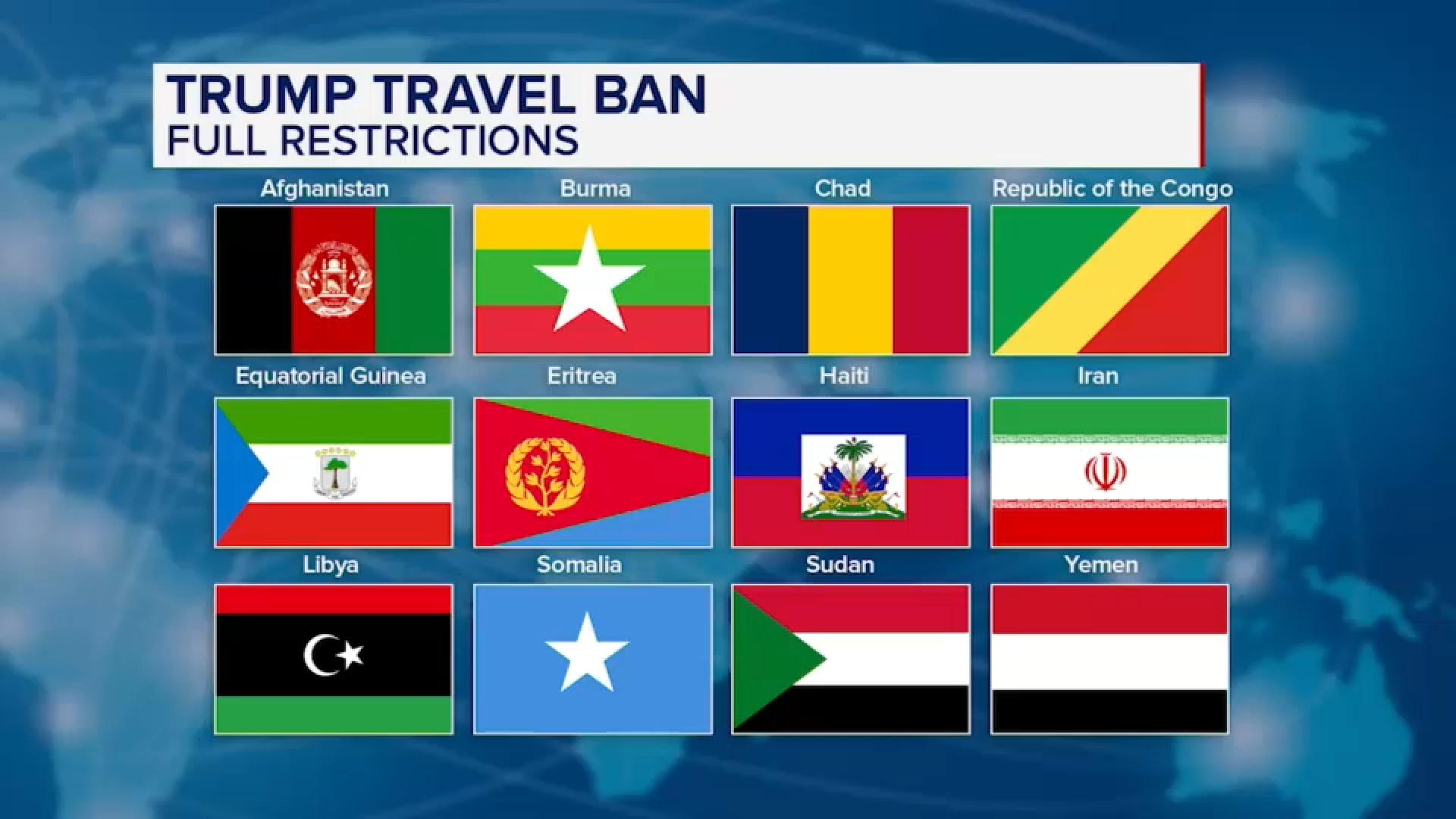
In recent months, the United States has implemented a series of travel restrictions and bans affecting citizens from Haiti, Cuba, and Venezuela, raising concerns for both travelers and humanitarian responses. As political instability, economic crises, and escalating violence have prompted a surge in migration from these nations, U.S. policies are evolving to address both security and humanitarian needs. This article delves into the specifics of the travel ban, the motivations behind these restrictions, and the implications for individuals and families seeking to connect with loved ones or escape dire circumstances. In a region marked by significant socio-political challenges, understanding the complexities of these travel measures is crucial for those impacted and for broader discussions about migration policy in the Americas.
Understanding the Travel Ban Impacts on Haiti, Cuba, and Venezuela
The travel bans imposed on Haiti, Cuba, and Venezuela are consequential, impacting not only the citizens of these nations but also their families and diaspora in the United States. Each country faces unique challenges that make travel restrictions particularly problematic. For Haiti, ongoing political instability and economic turmoil have triggered mass migrations, further exacerbated by natural disasters. Citizens are often unable to reunite with family members or seek asylum, highlighting the human dimension of these policies. In Cuba, the ban affects those looking to provide support to loved ones trapped in a struggling economy, where essential goods and services are scarce. Venezuela, meanwhile, is experiencing a severe humanitarian crisis, and travel restrictions hinder the ability of Venezuelans to escape oppressive conditions and seek refuge elsewhere.
The implications of these travel bans extend beyond individual hardship, affecting diplomatic relations and regional stability. Countries in the Caribbean and Latin America face increased pressure as migration pressures rise from these nations. Moreover, the absence of legal avenues for migration can lead to dangerous and illegal crossings, putting individuals at risk. To illustrate the significant challenges faced by these nations under current travel restrictions, the following table outlines the key issues each country grapples with:
| Country | Major Issues |
|---|---|
| Haiti | Political instability, natural disasters, economic collapse |
| Cuba | Economic hardship, lack of resources, family separation |
| Venezuela | Humanitarian crisis, government oppression, migration pressure |
Key Restrictions: What Travelers Need to Know Before Planning a Trip
Travelers eyeing trips to Haiti, Cuba, and Venezuela must stay cognizant of the various restrictions currently in place. Each country has its own set of guidelines and requirements that can significantly affect travel plans. For instance, restrictions may include, but are not limited to:
- Travel Bans: Certain nationalities may face outright bans or limitations on traveling to these countries.
- Health and Safety Protocols: Travelers may need to present proof of vaccinations or negative COVID-19 tests before entry.
- Permits and Authorizations: Some trips, especially to Cuba, require special visas or travel authorizations based on the purpose of the visit.
Moreover, travelers should be aware of additional safety alerts and advisories that impact their plans. Here’s a quick overview of key information related to each country:
| Country | Current Restrictions | Important Notes |
|---|---|---|
| Haiti | Travel advisories due to civil unrest. | Check local news for real-time updates. |
| Cuba | Travel licenses needed for most visitors. | Consider guided tours for safer travel. |
| Venezuela | Entry restrictions due to political instability. | Emergency services may be limited. |
Expert Recommendations for Navigating Travel Challenges in Restricted Countries
Traveling to countries such as Haiti, Cuba, and Venezuela presents unique challenges. Experts advise that travelers stay informed about the latest guidelines and travel advisories issued by their governments. These advisories often provide essential information on safety, health, and legal considerations that can significantly impact travel plans. Furthermore, engaging with reputable travel agencies that specialize in these regions can offer valuable insights into navigating local complexities and accessing necessary resources.
When planning your journey, consider the following recommendations:
- Stay Updated: Regularly check official government websites for the latest restrictions and safety alerts.
- Secure Travel Insurance: Ensure your policy covers travel to restricted countries and includes evacuation services.
- Establish Local Contacts: Connect with local NGOs or expats who can provide crucial support and information.
- Understand Cultural Norms: Research local customs and laws to avoid potential misunderstandings.
| Country | Common Travel Restrictions |
|---|---|
| Haiti | Travel advisories due to civil unrest and crime. |
| Cuba | Restrictions on U.S. citizens regarding business and financial transactions. |
| Venezuela | Limited entry due to political instability and sanctions. |
Future Outlook
In conclusion, the travel bans and restrictions affecting Haiti, Cuba, and Venezuela are shaped by a complex interplay of political, social, and economic factors. As these policies evolve, travelers and potential expatriates must stay informed of the latest developments to navigate the challenges and limitations in place. For those with ties to these countries or plans to visit, understanding the implications of these restrictions is crucial for making informed travel decisions. As international relations continue to shift, NBC 6 South Florida remains committed to providing timely updates and insights to keep our viewers informed of the impact of these regulations on the communities we serve. Stay tuned for further coverage and analysis on this dynamic situation.











