
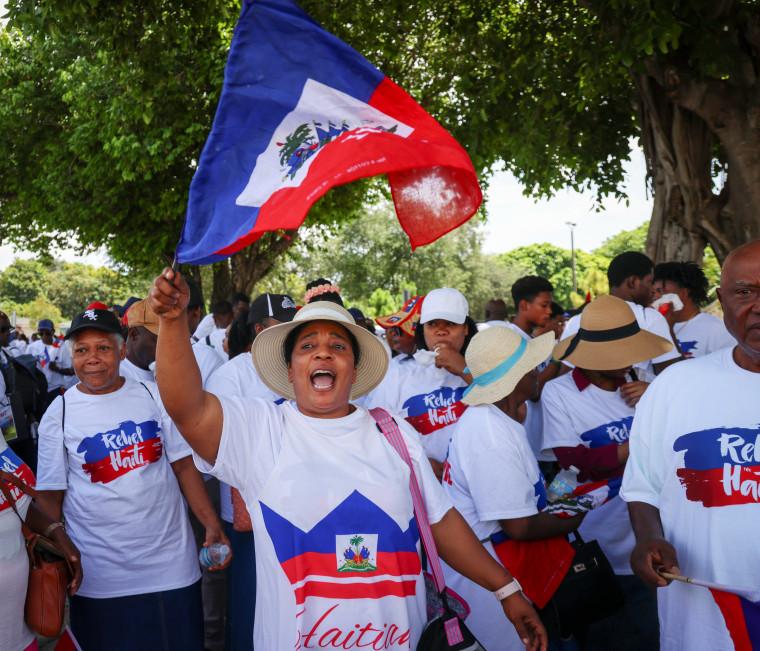
In the wake of escalating violence and worsening security conditions in Haiti, a growing number of Haitian Americans find themselves grappling with an intense longing to return to their homeland. Despite the challenges posed by travel restrictions and geopolitical instability, many individuals and families are driven by a profound emotional connection to their roots, coupled with a desire to support loved ones amid adversity. As the situation in Haiti continues to deteriorate, this community faces a complex dilemma: balancing the need for personal safety with an unwavering commitment to their heritage and the urgent call for solidarity in times of crisis. In this article, we delve into the experiences of Haitian Americans caught between their past and present, exploring the motivations, fears, and hopes of those who are striving to reconnect with a country in turmoil.
Haitian Americans Face Growing Pressure to Return Home as Violence Escalates
The escalating violence in Haiti has compelled many Haitian Americans to reconsider their ties to the homeland. Reports indicate an alarming surge in gang-related activities, which has destabilized communities and created a climate of fear. In response to the chaos, a growing number of individuals are feeling an urgent need to return to Haiti, driven by both familial and humanitarian motivations. They are faced with tough decisions, grappling with concerns about personal safety and the risks that come with such a move.
Efforts to return have been complicated by various travel restrictions and logistical challenges, including:
- Flight availability: Fewer airlines are operating flights to and from Haiti, leading to limited options.
- Security concerns: Travelers face uncertainty regarding personal safety upon arrival in a country plagued by unrest.
- Financial strain: The costs of travel have skyrocketed, making it difficult for families to reunite.
As violence continues to rise, the community’s call for international support and intervention becomes louder, with hopes of restoring stability and enabling those who wish to return home to do so safely.
Exploring the Impact of Travel Restrictions on Families and Communities
The ongoing violence in Haiti has compelled many Haitian Americans to confront harsh realities as they seek to return to their home country. Families are grappling with emotional turmoil, torn between the desire to reconnect with loved ones and the frightening prospect of navigating dangerous conditions. The travel restrictions imposed due to escalating instability have only intensified their feelings of helplessness. Many individuals find themselves facing a daunting dilemma:
- Safety Concerns: With the rise in violence, families are increasingly anxious about the safety of their relatives in Haiti.
- Cultural Disconnect: The inability to visit home can create a sense of cultural disconnection, impacting family traditions and personal identities.
- Financial Strain: Travel restrictions complicate the support that Haitian Americans can offer, putting a strain on families who rely on remittances.
Efforts to address these challenges are gaining momentum as community organizations and advocates push for increased dialogue around the implications of travel bans. Through engagement and outreach, they aim to create a clearer understanding of the unique struggles faced by families during these uncertain times. Moreover, a recent study highlights the socio-economic impact of such restrictions:
| Impact Category | Percentage Affected |
|---|---|
| Disrupted Family Relations | 75% |
| Increased Anxiety Levels | 68% |
| Financial Hardship | 54% |
This data underscores the urgent need for understanding and support mechanisms that can alleviate the burdens faced by Haitian American families, highlighting the human element behind policy decisions that often overlook the immediate effects on communities.
Strategies for Safe Repatriation Amid Political and Social Turmoil in Haiti
As Haitian Americans seek to safely navigate the perilous landscape of their homeland during this period of unrest, several strategies can help mitigate risks associated with repatriation. Strong communication networks are essential. Families should establish reliable channels to stay connected with loved ones, utilizing messaging apps and social media platforms to receive real-time updates on local conditions. Additionally, travelers should familiarize themselves with local laws and regulations that may be in flux, ensuring they respect curfews and restrictions that could impact their safety.
In preparation for travel, it is vital to plan for contingencies. Consider the following recommendations:
- Travel in Groups: Whenever possible, arrange to travel with other individuals to enhance safety and share resources.
- Local Contacts: Establish relationships with trustworthy individuals in Haiti who can provide guidance and assistance upon arrival.
- Emergency Plans: Create a clear plan for possible emergencies, including escape routes and safe havens within the country.
Further, local awareness can significantly enhance safety. The table below highlights critical resources that could assist travelers in addressing potential challenges during their stay:
| Resource Type | Description | Contact Method |
|---|---|---|
| Local NGOs | Organizations offering assistance and information about local safety. | Phone and social media |
| Embassy Services | Support for citizens in emergency situations. | Local embassy contact lines |
| Travel Advisory Updates | Government communications on current travel safety. | Official websites and social media |
Insights and Conclusions
In conclusion, the plight of Haitian Americans seeking to return to their homeland underscores a complex intersection of human desperation and systemic challenges amidst escalating violence and stringent travel restrictions. As many face the painful decision to leave their homes in pursuit of safety or to support families back in Haiti, the broader implications on community ties and immigration policies remain to be seen. The voices of those affected serve as a poignant reminder of the ongoing crisis that continues to shape the narrative of the Haitian diaspora. As the situation evolves, it is crucial for policymakers, humanitarian organizations, and the international community to respond with empathy and action, aiming not only to alleviate immediate suffering but to foster long-term stability in Haiti, ensuring that those who wish to return can do so in safety and dignity.











