
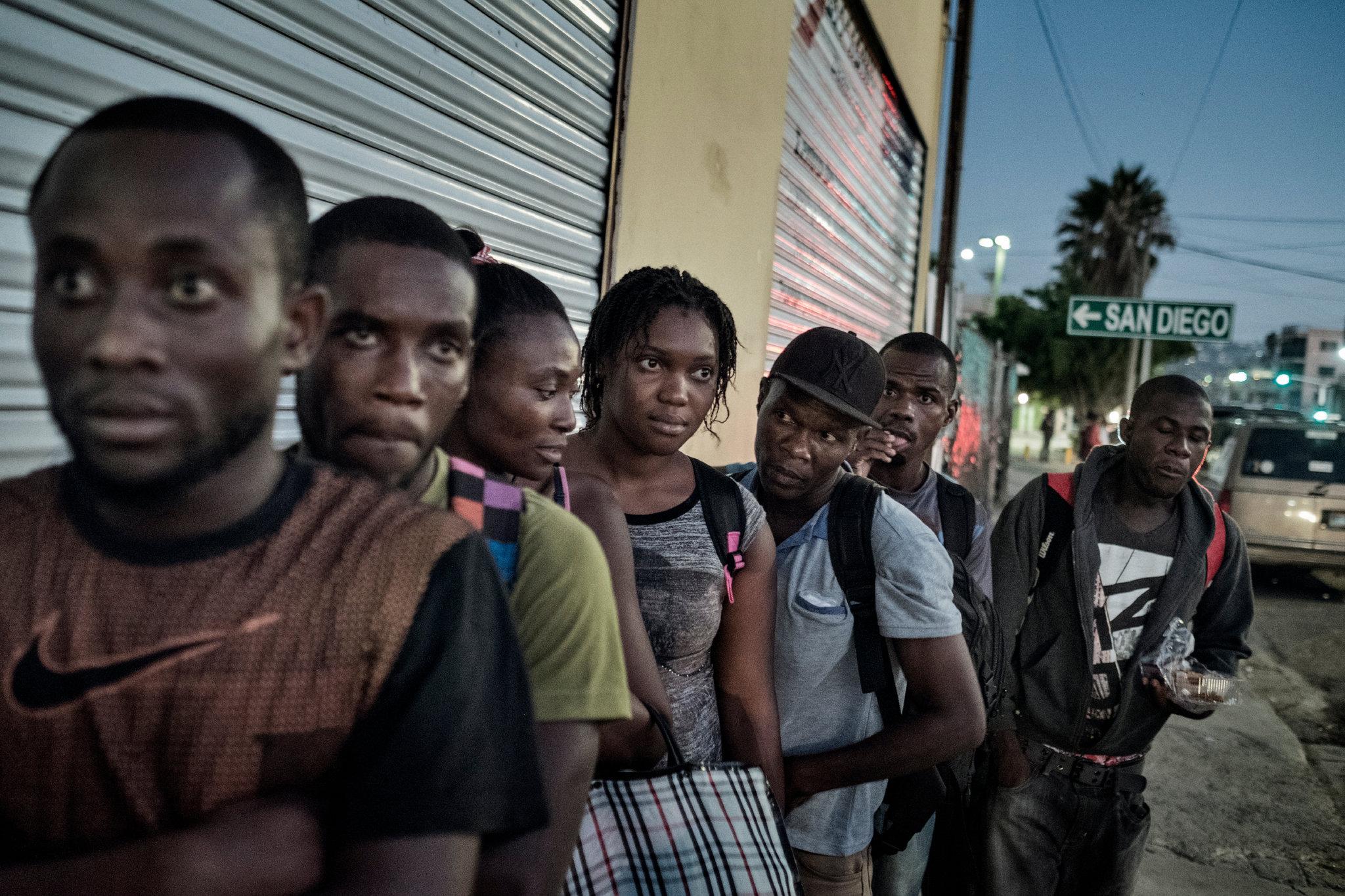
As discussions intensify around the future of deportation protection for Haitian nationals residing in the United States, a critical examination of alternative approaches is urgently needed. The potential rescinding of Temporary Protected Status (TPS) for Haitians not only raises questions about immigration policy but also highlights the broader humanitarian implications for a country still grappling with profound crises. As Haiti confronts political instability, economic strife, and a public health emergency exacerbated by the COVID-19 pandemic, advocates and experts are urging the Biden administration to consider strategies that prioritize human rights and diplomatic engagement over deportation. In this context, it is essential to explore what actions the U.S. can take to support Haitian communities both domestically and abroad, fostering stability rather than perpetuating uncertainty.
Consider a Comprehensive Approach to Haitian Migration Challenges
Addressing the complex issue of Haitian migration requires a broad strategy that not only considers the immediate needs of those seeking refuge but also the underlying causes of displacement. The U.S. should implement policies that focus on stabilizing the Haitian economy and enhancing the capacity of local institutions. This could involve expanding international investment in Haiti, promoting job creation through sustainable development programs, and bolstering education and healthcare systems. Collaborative efforts with international partners, including NGOs and regional governments, will be essential in ensuring a stable environment that can dissuade migration out of necessity.
Moreover, U.S. immigration policy should prioritize humanitarian support and family reunification initiatives. Instead of reinforcing deportation measures, the government could establish a pathway that allows eligible Haitians to apply for temporary protected status (TPS) while their claims for asylum are processed. This approach not only safeguards vulnerable populations but fosters community resilience. Additionally, enhancing legal pathways for migration can ensure that Haitian immigrants are able to connect with and contribute to American society, while also maintaining ties with their homeland.
Implement Strategies for Stabilizing Haiti and Supporting Refugees
The U.S. must prioritize the implementation of comprehensive diplomatic and economic strategies aimed at stabilizing Haiti, a nation grappling with political unrest and economic challenges. Among these strategies should be the strengthening of governance by supporting civil society organizations and promoting democratic processes. Additionally, investment in critical infrastructure projects will create jobs and improve living conditions, demonstrating a commitment to sustainable development. Key actions could include:
- Enhancing security through international peacekeeping efforts.
- This could involve partnerships with regional organizations like CARICOM.
- Facilitating access to educational resources and training programs.
- Supporting healthcare initiatives to address the ongoing public health crises.
Concurrently, the U.S. should revamp its humanitarian approach to supporting Haitian refugees both domestically and abroad. This includes expanding asylum programs and providing resources for integration into American society. Implementing community-based support frameworks can help facilitate this process by fostering social ties and reducing barriers to employment. The U.S. government can assist by:
| Support Initiatives | Description |
|---|---|
| Legal Aid Services | Providing resources for legal assistance to navigate immigration processes. |
| Language Programs | Offering English language courses for better integration. |
| Job Placement Assistance | Connecting refugees with employment opportunities tailored to their skills. |
Enhance Collaborative Efforts with Regional Partners for Migrant Safety
Strengthening partnerships with regional entities is crucial to ensure the safety and well-being of Haitian migrants. By fostering a collaborative approach, the U.S. can create a comprehensive strategy that underscores shared responsibilities among nations. This could include:
- Joint Training Programs: Enhance capabilities of border officials and humanitarian agencies through shared training initiatives.
- Resource Sharing: Facilitate an exchange of best practices and innovative solutions to address migration challenges.
- Emergency Response Coordination: Establish mechanisms for rapid response to crises affecting migrant populations.
Such efforts can be amplified through the establishment of a dedicated task force that includes representatives from the U.S., Haiti, and other regional stakeholders. This task force could focus on:
| Initiative | Objective |
|---|---|
| Safety Monitoring | To track and report threats faced by migrants. |
| Legal Assistance Programs | To provide legal aid and representation for migrants. |
| Community Engagement Workshops | To promote understanding and integration within host communities. |
Focusing on collaborative safety initiatives will not only protect vulnerable populations but will also uphold regional stability and promote a humane approach to migration policy. By creating alliances that prioritize migrant welfare, the U.S. can position itself as a proactive leader in addressing the complex dynamics of migration in the region.
In Summary
In conclusion, the ongoing debate surrounding the potential end of deportation protection for Haitians underscores a critical moment for U.S. immigration policy. As the situation in Haiti continues to deteriorate due to political instability, economic hardship, and pervasive violence, the United States faces a moral and ethical imperative to reassess its approach. Rather than rescinding protections, U.S. policymakers should consider alternatives that prioritize humanitarian support and safeguard the rights and dignity of Haitian nationals. This includes enhancing Temporary Protected Status (TPS), increasing support for community-based initiatives, and fostering stronger diplomatic relations to address the root causes of instability in the region. By taking these steps, the U.S. can commit to a more compassionate and pragmatic immigration policy that reflects its long-standing values of empathy and justice. The ramifications of these choices will resonate far beyond borders, shaping the lives of individuals and communities while influencing the U.S.’s role as a leader in global humanitarian efforts.









