
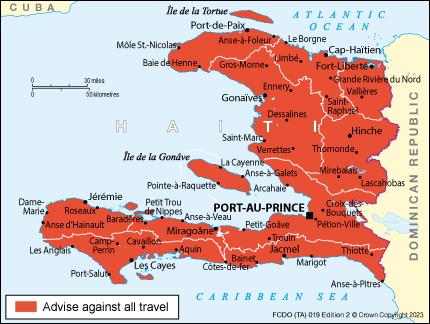
In a recent development that has stirred significant concern among Haitian Americans in South Florida, the U.S. government has imposed a full travel ban on Haiti, citing escalating violence and deteriorating security conditions in the Caribbean nation. The decision has drawn criticism from community leaders and advocates who argue that it not only disrupts vital connections between families and friends but also exacerbates the challenges faced by those seeking refuge from the ongoing crisis in Haiti. As tensions rise in both the homeland and the diaspora, the implications of this ban extend beyond travel restrictions, stirring deep fears about the future of Haitian communities and the potential for further isolation of a nation in turmoil.
Haiti’s Full U.S. Travel Ban Sparks Outrage Among South Florida’s Haitian American Community
The recent implementation of a full travel ban from the U.S. to Haiti has ignited a wave of frustration and concern among South Florida’s Haitian American community. Many residents, who have familial ties and cultural connections to Haiti, view the ban as a significant barrier not only to personal relationships but also to humanitarian efforts. For countless families, the inability to travel highlights the enduring struggles faced by their loved ones back home amid political instability, economic hardships, and frequent natural disasters. This travel ban has made it increasingly challenging for individuals to offer the necessary support and assistance during dire times.
Community leaders and activists have voiced their outrage, emphasizing that the ban exacerbates an already critical humanitarian crisis. They argue that rather than isolating Haiti, the U.S. should consider more comprehensive approaches that promote stability and assist those in need. Key points of concern include:
- Family Separation: Many families rely on travel to maintain connections and provide emotional and financial support.
- Humanitarian Aid: With various organizations unable to mobilize resources effectively, the ban undermines relief efforts.
- Economic Impacts: Businesses dependent on travel and remittances face potential downturns as people are restricted from visiting.
As sentiments rise, local leaders are urging community members to unite in advocacy, calling for the U.S. government to reconsider the implications of the ban. Through organized rallies and outreach efforts, Haitian Americans are seeking to bring attention to the critical realities faced by their compatriots, hoping to foster dialogue that leads to positive change.
Experts Urge Policy Reassessment to Address Humanitarian Concerns in Haiti
In light of the ongoing crisis in Haiti, experts are advocating for a comprehensive reassessment of U.S. policies that directly impact the humanitarian situation on the ground. The travel ban imposed by the U.S. government has drawn sharp criticism, particularly from Haitian American communities in South Florida, who argue that the restriction exacerbates the already dire circumstances faced by families trying to unite with their loved ones. Local organizations and community leaders are calling for the government to consider alternatives that could provide safe avenues for not just individuals seeking refuge, but also for aid and advocacy groups aiming to deliver essential resources.
Key concerns raised by experts include:
- Increased Vulnerability: The ban has left many Haitians without access to familial support, increasing their vulnerability to violence and poverty.
- Emergency Support: Humanitarian aid organizations are struggling to mobilize resources effectively due to restrictions on travel and assistance.
- Community Division: The travel limitations are creating rifts within the Haitian diaspora, as many are separated from family members at a time of acute need.
| Impact of Travel Ban | Consequences |
|---|---|
| Familial Separation | Increased emotional and psychological stress for families. |
| Lack of Aid Access | Organizations face challenges in delivering essential resources. |
| Community Support Disruption | Reduction in financial and moral support for those in Haiti. |
Calls for Advocacy: Mobilizing Support for Haitian Immigrants Amid Travel Restrictions
As the full travel ban on Haitian nationals remains in effect, voices from the South Florida Haitian American community are growing louder in their calls for advocacy. This situation not only affects individuals seeking refuge but also reverberates through families and communities deeply connected to Haiti. The refusal of the U.S. government to lift restrictions has prompted various organizations to mobilize resources and support networks, aiming to provide assistance to those impacted by this ban. Community leaders emphasize the urgency of rallying public opinion, urging local citizens to participate in campaigns that highlight the plight of Haitian immigrants. Key actions include:
- Community forums to educate the public about the challenges faced by Haitian immigrants.
- Petition drives to demonstrate collective discontent with the ban.
- Collaborative outreach with local nonprofits to provide legal aid and resources.
The political and social landscape surrounding this issue demands urgent attention, as many Haitians risk their lives to escape instability and violence in their home country. Recent data indicates a significant increase in asylum applications from Haitians, which further underscores the need for a more compassionate and effective response from U.S. authorities. By fostering alliances, both within the Haitian diaspora and allied communities, advocates are hoping to pressure lawmakers to reconsider current policies. A coordinated effort includes:
| Advocacy Initiative | Objective |
|---|---|
| Awareness Campaigns | Educate and inform the public on Haitian issues. |
| Legal Support Initiatives | Provide resources for asylum seekers. |
| Legislative Lobbying | Push for policy changes regarding travel restrictions. |
Wrapping Up
In conclusion, the full travel ban imposed on Haiti by the United States has sparked significant backlash and concern among Haitian American communities in South Florida. As families face the distressing realities of separation and uncertainty, the critiques of this policy underscore a broader dialogue surrounding immigration and humanitarian needs. Activists and community leaders continue to advocate for a reassessment of the ban, highlighting the critical situation in Haiti and the importance of familial ties. As this issue develops, it will remain essential to monitor the responses from both the Haitian community and policymakers. The implications of this travel ban extend well beyond borders, touching the lives and futures of countless individuals.











