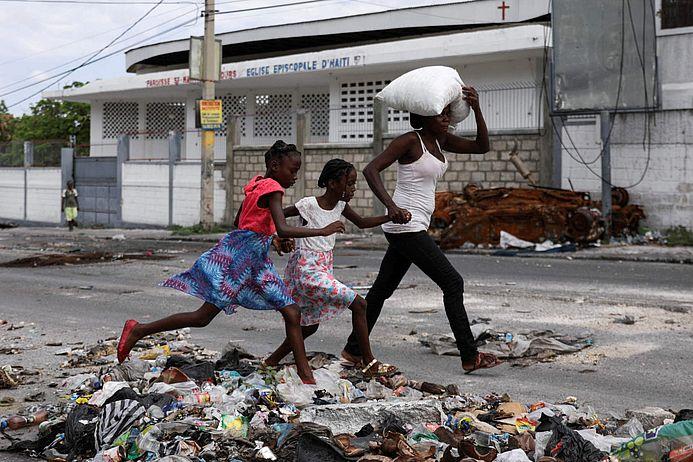
In recent months, Haiti has descended further into chaos, with escalating violence, political instability, and a humanitarian crisis that shows little sign of abating. As the Caribbean nation grapples with the aftermath of natural disasters, pervasive poverty, and a lack of effective governance, the need for a coherent and compassionate U.S. response has never been more urgent. The situation demands not only immediate humanitarian aid but also a strategic plan aimed at fostering long-term stability and supporting the Haitian people in their quest for a secure future. This article explores the critical steps the United States must take to address Haiti’s ongoing free fall and highlights the pivotal role it can play in helping to chart a more hopeful path forward for the beleaguered nation.
Humanitarian Crisis Demands Immediate Action and Support for Haiti
The situation in Haiti has reached a critical juncture, with escalating gang violence, political instability, and a humanitarian crisis that threatens the very fabric of society. Over 5 million people are in need of humanitarian assistance, facing dire challenges such as food insecurity, lack of healthcare, and displacement. This crisis is exacerbated by inadequate government response and international disengagement, leaving countless Haitians vulnerable. Although the international community has made commitments to support Haiti, these efforts have often fallen short, primarily due to mismanagement and the absence of a cohesive strategy to address the root causes of the struggle.
Immediate action is necessary to stabilize the country and provide critical support to those affected. Key areas for intervention include:
- Strengthening local governance and rebuilding trust within the communities.
- Implementing comprehensive security measures to curb violence and protect civilians.
- Enhancing humanitarian aid delivery with a focus on sustainable development.
- Fostering international collaboration to streamline support and aid distribution.
Through a coordinated approach that prioritizes Haitian voices, fosters resilience, and develops long-term solutions, the international community can help avert further descent into chaos. It’s not just about immediate relief but rather investing in the future stability of the nation.
International Cooperation Essential to Stabilize Haiti’s Fragile Situation
The challenges facing Haiti are multifaceted, requiring robust international collaboration to restore stability and promote sustainable development. As the nation grapples with political turmoil, economic downturn, and escalating violence, it is clear that no single entity can address these issues alone. Strengthening diplomatic ties and fostering partnerships among nations, NGOs, and multilateral organizations is crucial. Key strategies in this cooperative effort should include:
- Humanitarian Aid: Providing immediate assistance to communities affected by violence and poverty.
- Security Support: Deploying international peacekeeping forces to curb violence and restore order.
- Economic Investment: Stimulating the local economy through foreign direct investment and support for local businesses.
- Educational Initiatives: Collaborating with international agencies to enhance access to education and vocational training.
To effectively implement these strategies, an organized framework of accountability and resource management is essential. A recent analysis highlights the impact of international involvement through a partnership model, which enables a coherent approach to issues like governance and community engagement. Below is a simplified overview of possible participating nations and their roles:
| Country | Role |
|---|---|
| United States | Leading diplomatic efforts and providing humanitarian aid |
| Canada | Supporting security measures and police training |
| France | Investing in cultural and educational exchanges |
| United Nations | Facilitating peacekeeping missions and coordinating international aid |
Long-Term Development Strategies Necessary for a Sustainable Future in Haiti
For Haiti to navigate its current crises and foster a sustainable future, it is crucial to implement comprehensive long-term development strategies that transcend immediate humanitarian aid. Investments in critical sectors such as education, healthcare, and infrastructure must be prioritized to build resilience against ongoing political instability and economic challenges. Specifically, these strategies should focus on:
- Strengthening Educational Systems: Ensuring access to quality education for all age groups to empower the youth.
- Healthcare Innovations: Expanding healthcare services and incorporating community health initiatives to address public health emergencies.
- Infrastructure Development: Improving transportation, energy, and communication networks to stimulate local and foreign investments.
In addition to these initiatives, fostering a robust civil society is essential to create a participatory governance model that engages citizens in policy-making processes. To achieve this, the international community and local stakeholders must work collaboratively to build institutions that promote transparency and accountability. A focus on economic diversification will also be necessary, potentially through:
| Sector | Potential Growth Areas |
|---|---|
| Agriculture | Organic farming, agro-tourism |
| Tourism | Cultural and eco-tourism initiatives |
| Technology | Tech startups, digital services |
Future Outlook
As the situation in Haiti continues to deteriorate, the necessity for a comprehensive U.S. strategy becomes increasingly urgent. The challenges facing the nation-a complex interplay of political instability, economic despair, and rampant violence-demand not only immediate humanitarian assistance but also a long-term commitment to fostering sustainable solutions. The United States has a pivotal role to play, both as a neighboring country and a significant player on the global stage. It is imperative that American policymakers embrace a proactive and coordinated approach, engaging with international partners and prioritizing the voices of Haitians themselves in the response plan. Without decisive action, Haiti’s free fall risks not only the stability of the region but also the humanitarian values that define our collective global responsibility. The time to act is now, as the future of Haiti hangs in the balance.