
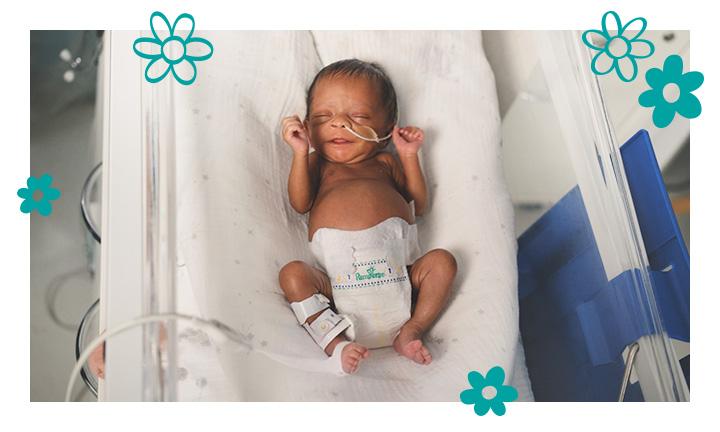
In a significant advancement for neonatal care in Haiti, the “Foyer Saint Camille” has officially inaugurated a dedicated ward for premature babies, providing vital support for one of the country’s most vulnerable populations. The new facility aims to enhance medical resources and improve outcomes for infants born prematurely, who face heightened risks in a country where healthcare access is often limited. With this initiative, Foyer Saint Camille not only addresses immediate medical needs but also underscores a commitment to strengthening healthcare infrastructure in Haiti. This development marks a beacon of hope for families and highlights ongoing efforts to bolster public health in the region.
Foyer Saint Camille Expands Vital Services with New Neonatal Ward for Premature Infants
The inauguration of the new neonatal ward at Foyer Saint Camille marks a significant milestone in the provision of care for vulnerable newborns in Haiti. This state-of-the-art facility is specifically designed to cater to the needs of premature infants, providing them with a sensitive and supportive environment that ensures their health and well-being. With rigorous medical protocols and modern equipment, the ward aims to enhance survival rates and promote healthy development for the tiniest patients. Health professionals, including doctors and nurses, have undergone specialized training to deliver the highest standard of care to these infants and their families.
In addition to medical care, the ward will also offer essential services aimed at supporting mothers and families throughout their journey. Key services include:
- Parent Education: Workshops on neonatal care and the importance of early bonding.
- Psychosocial Support: Counseling services to assist families in coping with the challenges of having a premature infant.
- Nutrition Programs: Information on proper nutrition essential for the development of premature infants.
This multifaceted approach not only strengthens the immediate medical response but also fosters a nurturing environment crucial for the holistic development of these infants. The community response has been overwhelmingly positive, with local organizations and citizens coming together to support the ward’s initiatives.
Improving Neonatal Care in Haiti: The Impact of Foyer Saint Camille’s Latest Initiative
The recent inauguration of the new ward for premature babies at Foyer Saint Camille marks a significant milestone in neonatal care in Haiti. This facility aims to provide specialized support for the vulnerable population of premature infants, who often face heightened health risks due to limited access to advanced medical technology and trained personnel. The initiative is designed to enhance the survival rates and overall well-being of these newborns, offering them a better chance at life in an environment specifically tailored to their needs. Key features of the new ward include:
- State-of-the-art incubators: Designed to maintain optimal temperature and humidity levels.
- 24/7 professional care: Trained staff on hand to monitor the health of these fragile infants.
- Family support programs: Providing parents with the resources and emotional support necessary during this challenging time.
With Haiti facing ongoing challenges in healthcare infrastructure, the need for focused initiatives like this is critical. The new ward not only addresses immediate healthcare needs but also emphasizes the importance of community involvement and support. The impact of this initiative extends beyond the walls of the Foyer, inspiring local health workers and stakeholders to prioritize neonatal care. Plans for the future include:
| Future Plans | Goals |
|---|---|
| Training programs for local nurses | Enhance skills in neonatal care |
| Community awareness campaigns | Educate families on neonatal health |
| Partnerships with international organizations | Increase resources and expertise |
Strategic Recommendations for Enhancing Healthcare Infrastructure in Haiti’s Maternal and Child Health Sector
In light of the recent inauguration of the new ward for premature babies at “Foyer Saint Camille,” it is imperative to consider strategic enhancements that could significantly improve healthcare infrastructure in Haiti’s maternal and child health sector. Key recommendations include:
- Investment in Medical Facilities: Prioritize the establishment of well-equipped maternal and neonatal units across hospitals, especially in rural areas.
- Training and Capacity Building: Implement regular training programs for healthcare professionals to enhance skills in maternal and child healthcare practices.
- Integration of Telemedicine: Foster the use of telemedicine to extend care availability and support remote consultations for expectant mothers.
- Strengthening Supply Chains: Ensure a robust supply chain for essential medical equipment and maternal health supplies to avoid shortages.
Additionally, fostering partnerships with international organizations can pave the way for targeted funding and expertise sharing. A focused approach in the following areas can lead to tangible improvements:
| Area of Focus | Actionable Steps |
|---|---|
| Community Outreach | Conduct awareness campaigns on maternal and child health practices. |
| Data Management | Establish a database to track health outcomes and improve service delivery. |
| Local Engagement | Involve community leaders to promote health initiatives and increase trust. |
Concluding Remarks
In conclusion, the inauguration of the new ward for premature babies at the “Foyer Saint Camille” in Haiti marks a significant milestone in the country’s healthcare landscape. As challenges persist, initiatives like this offer hope and improved medical support for the most vulnerable populations. The collaboration between local and international stakeholders highlights a commitment to advancing neonatal care in Haiti. As we move forward, it is imperative to continue fostering such partnerships to ensure that every child born in Haiti has access to the care they deserve, paving the way for a healthier future for generations to come.











