
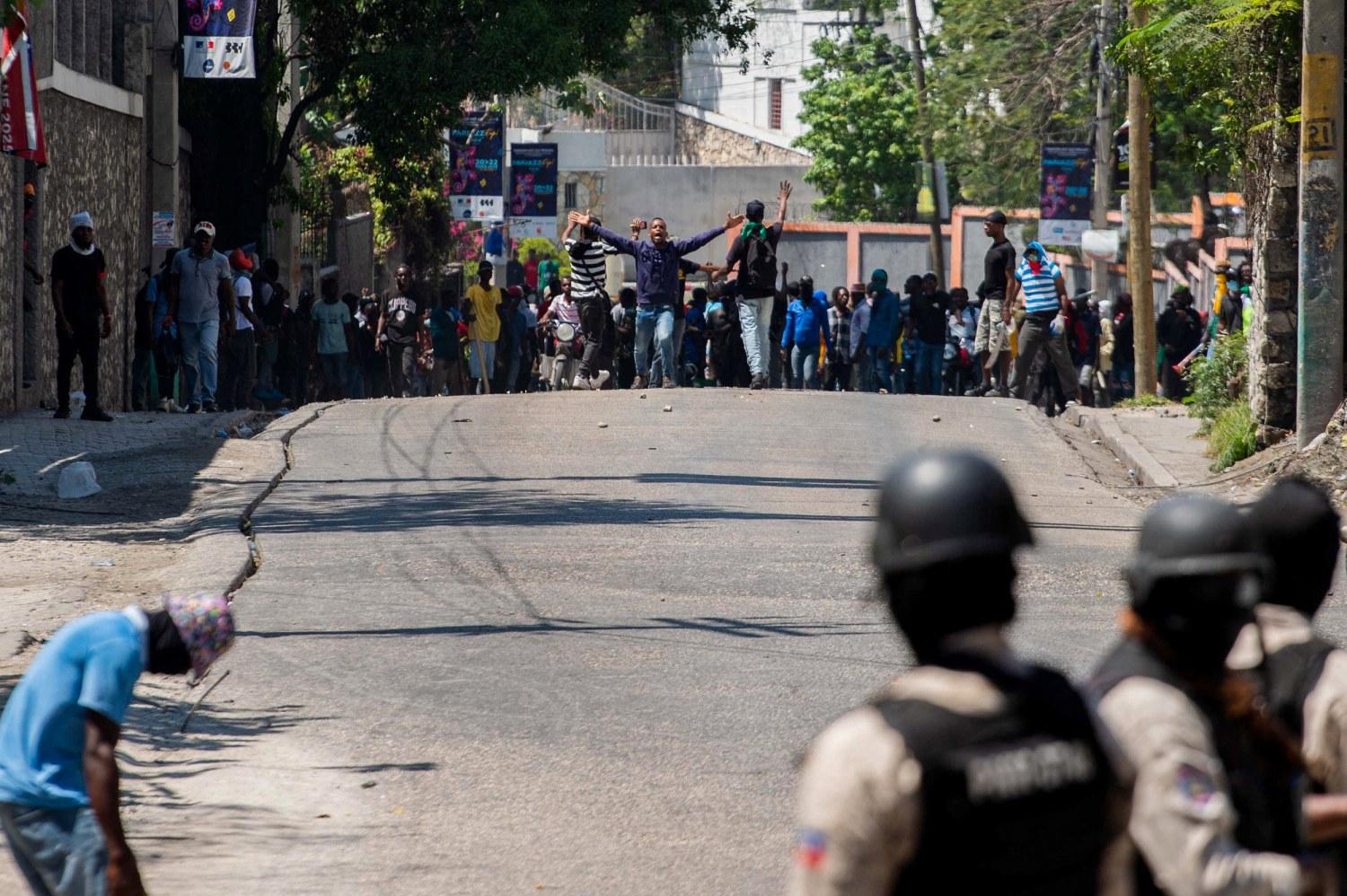
In a significant escalation of its involvement in Haiti, the United States government has put forth a proposal to deploy a more lethal “gang-suppression force” aimed at addressing the alarming surge of gang violence that has plagued the Caribbean nation in recent months. As gangs continue to exert control over large parts of the country, contributing to a dire humanitarian crisis, the Biden administration’s plan raises complex questions about intervention, sovereignty, and the efficacy of military responses in regions grappling with deep-seated social and political instability. This proposal comes amid growing concerns that without decisive action, the escalating violence could further destabilize Haiti and spill over into a broader regional crisis.
U.S. Strategy Targets Escalating Violence as Haiti Grapples with Gang Dominance
The escalating violence in Haiti, largely attributed to the unchecked influence of gangs, has prompted the United States to reconsider its approach to intervention. The proposed “Gang-Suppression Force” aims to address the urgent need for security in the nation. This initiative is designed not only to curb gang activity but also to restore a sense of safety for civilians living under constant threat. The U.S. intends to collaborate with local law enforcement and international partners, prioritizing military assistance with specialized training and equipment to combat organized crime effectively.
In the face of increasing gang dominance, the U.S. strategy emphasizes several key components:
- Enhanced Military Support: Improved capabilities for Haitian police and military to confront armed groups.
- Community Engagement Programs: Initiatives aimed at providing education and employment opportunities to reduce gang recruitment.
- Intelligence Sharing: Strengthening coordination between U.S. intelligence agencies and Haitian authorities to track and disrupt gang networks.
In alignment with these objectives, the initiative also plans to address humanitarian needs arising from the crisis, promoting a holistic approach to stabilizing the region. This ensures that while the force will focus on immediate security concerns, long-term groundwork to restore peace and governance is also prioritized.
Focus on International Cooperation to Enhance Security Measures in Haiti
In light of the escalating violence and instability plaguing Haiti, the call for enhanced international cooperation has become increasingly urgent. The recent proposal by the U.S. to form a more lethal ‘gang-suppression force’ underscores the critical need for a unified and comprehensive response to the crisis. Countries across the globe are being urged to contribute not just troops, but also resources and intelligence-sharing mechanisms that can facilitate a more effective approach to law enforcement and humanitarian efforts. This collaborative effort is essential for dismantling the pervasive influence of gangs, which have worsened the security situation and hindered economic growth.
Participating nations must consider the following strategies as part of their international cooperation efforts:
- Intelligence Sharing: Establishing networks for real-time information exchange to track gang activities.
- Training Programs: Developing training for local law enforcement in modern policing techniques.
- Resource Allocation: Providing funds and equipment necessary for the enforcement of law and order.
- Humanitarian Aid: Initiating programs to support communities affected by gang violence.
Furthermore, strengthening diplomatic ties is crucial in urging neighboring countries and other international actors to play an active role in restoring peace and security in Haiti. A concerted international effort can create a safer environment for citizens, ultimately fostering stability and paving the way for long-term political and economic solutions.
Recommendations for Sustainable Solutions Beyond Military Intervention
As discussions around the proposed gang-suppression force for Haiti intensify, it is essential to explore alternatives that promote long-term stability without resorting to military intervention. Community-driven initiatives focused on economic development, education, and social cohesion can create a foundation for peace. By investing in vocational training, microfinance projects, and infrastructure development, the international community can empower local populations to build resilience against gang influence. Furthermore, establishing youth engagement programs can redirect energy towards constructive activities, significantly reducing the lure of organized crime.
Additionally, fostering regional partnerships can enhance collaborative efforts to address underlying issues of governance and security. Rather than deploying external forces, countries in the Caribbean can work together to share resources, intelligence, and best practices. A shared commitment to tackling corruption, improving law enforcement training, and advancing judicial reforms could effectively disrupt the cycle of violence. Below is a brief overview of potential sustainable solutions:
| Solutions | Focus Areas |
|---|---|
| Economic Development | Job creation, infrastructure investments |
| Education Programs | Access to quality education, vocational training |
| Community Engagement | Local events, youth programs |
| Regional Collaboration | Shared resources, intelligence sharing |
The Conclusion
In conclusion, the U.S. proposal for a more lethal gang-suppression force in Haiti underscores the mounting urgency to address the spiraling violence and instability that has plagued the nation for years. As officials grapple with the complexities of intervention, questions arise about the implications for human rights, the potential for collateral damage, and the effectiveness of militarized responses in a country where governance has long been fragile. International observers will be closely watching how this initiative unfolds, as the need for a comprehensive strategy that combines security and development remains critical for any sustainable resolution to Haiti’s deep-rooted challenges. As the situation develops, the global community must continue to engage with Haiti’s leaders and citizens to ensure that the pursuit of safety does not overshadow the imperative for lasting peace and stability.











