
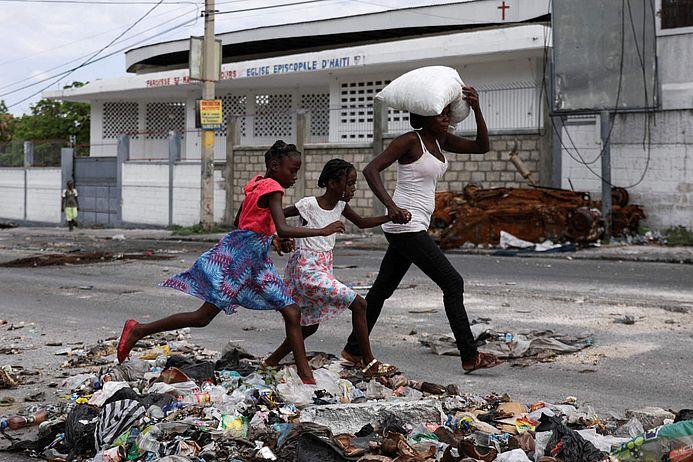
In a significant shift in U.S. foreign policy, Washington is advocating for an increase in the number of foreign troops deployed to Haiti, hoping to bolster efforts against rampant gang violence that has paralyzed the nation. Recent discussions the U.S. has prompted appear aimed at recalibrating the role of Kenya, which has been leading a multinational force in Haiti. As concerns over security and humanitarian crises mount in the Caribbean nation, this move underscores the Biden administration’s recognition of the urgent need for enhanced international support. The call to double troop levels reflects an escalating commitment to stabilize a country struggling with political turmoil and escalating crime, raising questions about the efficacy of international intervention in resolving Haiti’s long-standing challenges.
U.S. Pushes for Expanded International Military Presence in Haiti Amidst Gang Violence
In response to escalating gang violence in Haiti, the United States government is advocating for an increase in the international military presence to bolster security efforts. The call to action focuses on enhancing the capabilities of a multinational force, with significant attention directed toward reallocating responsibilities away from Kenya, which has been primarily tasked with leading the mission. U.S. officials believe that by broadening the coalition of countries involved, they can improve operational effectiveness and better address the challenges posed by armed groups that have been terrorizing communities across the nation.
This proposed shift in strategy includes the participation of various nations that could offer specialized resources and personnel to ensure a more comprehensive approach to crime reduction and stabilization. Key elements of the U.S. plan include:
- Increased troop numbers: Doubling the current international military force in Haiti.
- Enhanced training: Providing specialized skills for local law enforcement to combat gang influence.
- Intelligence sharing: Coordinating efforts among different nations to gather and disseminate crucial information.
- Community engagement: Encouraging international forces to work closely with local communities to rebuild trust and security.
Amidst these discussions, there is a strong emphasis on ensuring that the humanitarian needs of the Haitian people are not overshadowed by military operations. The collaboration aims to pave the way for a more stable environment, allowing for essential services and development projects to resume. As negotiations advance, the United States hopes to finalize commitments from partner nations to support this vital mission.
Calls for Reassessing Kenya’s Role in Stabilizing Haiti’s Security Landscape
In the wake of increasing violence and instability in Haiti, the U.S. is advocating for a renewed reassessment of Kenya’s involvement in the troubled nation’s security efforts. The call to double the size of foreign forces present in Haiti signals a shift in strategy, highlighting concerns over the effectiveness of the Kenyan-led initiative amid rampant gang violence. Critics argue that relying heavily on a single nation, such as Kenya, may hinder collaborative international efforts to rejuvenate Haiti’s security apparatus, complicating the already precarious situation.
Among key considerations for this reassessment are the challenges that Kenya has faced, which include limited resources and cultural differences that may impact operational effectiveness. A more diverse coalition might bring essential assets and expertise to address the multifaceted challenges on the ground. Discussions also point to the necessity of strengthening local law enforcement capacities while ensuring that any foreign presence is complemented by robust community engagement to foster stability in Haiti.
| Key Factors | Impact on Stability |
|---|---|
| Increased Foreign Troops | Potential for improved security and response capabilities |
| Kenya’s Limited Resources | Questionable long-term sustainability of security operations |
| Diverse Coalition Forces | Broader expertise and local understanding |
| Community Engagement | Enhances trust and cooperation with local populations |
Strategies for Enhancing Foreign Support to Restore Order and Aid Haiti’s Recovery
In light of the escalating crisis in Haiti, international collaboration is paramount to restoring stability and supporting recovery efforts. Enhancing foreign support can be achieved through multiple strategies, such as increasing the presence of multinational peacekeeping forces and fostering partnerships between the Haitian government and various nations. Countries contributing troops should focus on enhancing their operational capacity by implementing rigorous training and support programs. Furthermore, engaging with local communities to ensure buy-in for foreign interventions can help rebuild trust and minimize resistance to external assistance.
Another critical component is the alignment of foreign aid with Haiti’s long-term development goals. Creating a framework for coordinated international assistance can help mitigate the adverse effects of corruption and mismanagement often associated with foreign funding. Key strategies to consider include:
- Developing comprehensive assessment frameworks to evaluate the effectiveness of ongoing aid programs.
- Establishing transparent channels for delivering assistance directly to those in need.
- Encouraging sustainable investments in local infrastructures, such as schools and health facilities, to create lasting change.
To illustrate the potential impact of these strategies, consider the following table highlighting current foreign assistance allocations to Haiti:
| Country | Allocated Aid (USD) | Focus Area |
|---|---|---|
| United States | 100 million | Security and humanitarian aid |
| Canada | 30 million | Health and education |
| European Union | 50 million | Infrastructure development |
This collaborative approach, coupled with a focus on sustainability, will not only address immediate needs but also pave the way for a more resilient Haiti. By actively involving various stakeholders, including local populations, international organizations, and allied nations, it is possible to create a tailored support network that aligns with the unique challenges facing Haiti today.
To Conclude
In summary, the U.S. government’s call to increase the number of foreign troops in Haiti marks a significant shift in its approach to addressing the escalating violence and gang dominance that has plunged the nation into turmoil. By advocating for a larger multinational force while deliberating a reduction of Kenya’s involvement, U.S. officials underscore the complexities of international intervention in Haiti. As these developments unfold, the implications for the Haitian people remain critical, with many hoping that a restructured foreign presence could lead to greater stability and security. The world will be watching closely as discussions progress and the situation continues to evolve.











