
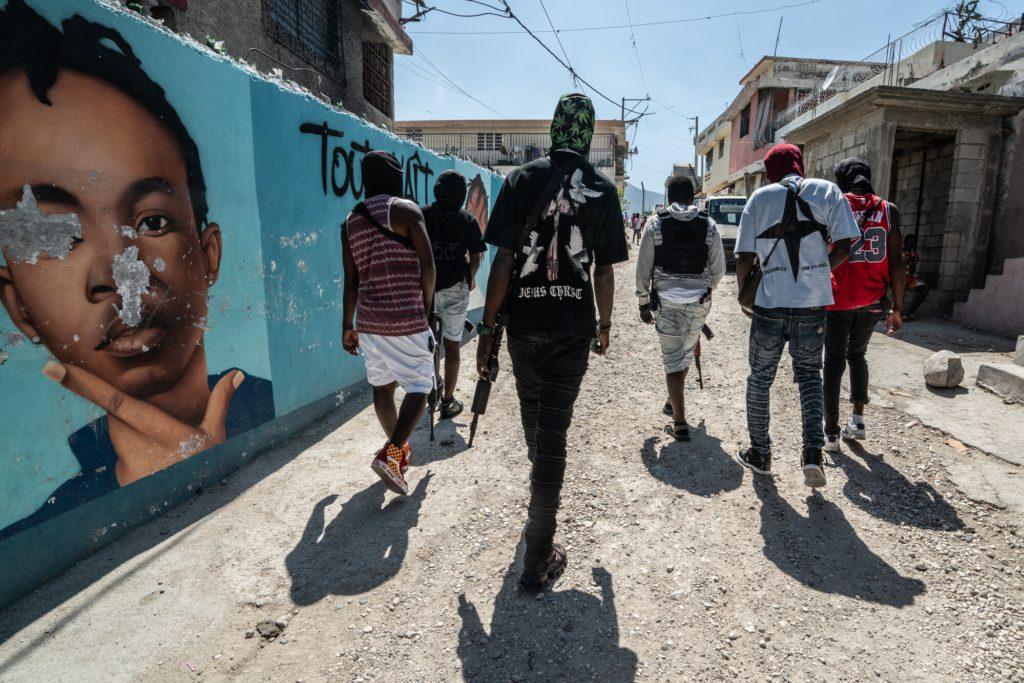
In a significant shift in U.S. foreign policy, the State Department has officially designated Haitian gangs as terrorist organizations, a move that underscores the escalating violence and instability gripping the Caribbean nation. This designation, announced in response to the rampant kidnappings, extortion, and brutal clashes among rival gangs, reflects the urgent need for a coordinated international response to support Haiti’s beleaguered government and protect its citizens. NBC News delves into the implications of this declaration, exploring the challenges it poses for U.S.-Haitian relations and the broader regional impact as Haiti grapples with a humanitarian crisis fueled by lawlessness.
State Department’s Designation of Haitian Gangs as Terrorist Organizations: Implications for U.S. Foreign Policy
The recent designation of Haitian gangs as terrorist organizations by the State Department marks a significant shift in U.S. foreign policy towards Haiti. This decision highlights the increasing concern over the escalating violence and instability driven by these gangs, which have reportedly been involved in kidnappings, extortion, and numerous violent acts against civilians. By categorizing these groups as terrorist entities, the U.S. government underscores the urgent need to address the humanitarian crisis and offer support for effective governance in Haiti. Implications of this designation include:
- Increased sanctions: The U.S. may impose stricter sanctions on individuals and entities linked to these gangs, aiming to curb their financing and operational capabilities.
- Enhanced military assistance: With this designation, the U.S. could consider providing greater military and logistical support to Haitian security forces to combat gang violence.
- International coalition building: The U.S. might seek to rally regional and international partners to collectively address the dire situation in Haiti.
This new policy direction could potentially involve a reevaluation of humanitarian aid programs to ensure that support reaches the most vulnerable populations without falling into the hands of violent actors. It is crucial to balance the impetus for military solutions with the need for comprehensive approaches that restore stability and foster long-term development. Key considerations for U.S. policy may entail:
| Considerations | Potential Actions |
|---|---|
| Humanitarian Aid | Redirection towards vetted NGOs only |
| Rule of Law | Support judicial reforms to strengthen legal frameworks |
| Economic Recovery | Promote initiatives that create jobs and economic opportunities |
Understanding the Rise of Gang Violence in Haiti and Its Impact on Local Communities
The escalating gang violence in Haiti has reached unprecedented levels, prompting the U.S. State Department to recognize these groups as terrorist organizations. This designation reflects the alarming increase in deadly confrontations and the pervasive influence gangs exert over local communities, which now live under a constant state of fear and instability. With over 1,000 citizens killed in gang-related incidents in the past year alone, communities are facing dire consequences as daily life becomes ensnared in the violence.
The impact of this violence is multifaceted, affecting everything from public safety to economic stability. As the gangs tighten their grip, many families are displaced, local businesses are forced to close, and essential services such as education and healthcare are disrupted. Key statistics illustrate the crisis:
| Impact Area | Current Status |
|---|---|
| Displacement | Approximately 150,000 people |
| Business Closures | Over 30% in gang-affected areas |
| Healthcare Access | Limited to emergency services only |
| School Attendance | 30% drop in enrollments |
As international attention turns towards this crisis, the response from local and foreign governments remains crucial in addressing the root causes of such violence. Understanding the socio-economic factors that contribute to gang proliferation is essential. Lack of opportunities, high unemployment, and systemic government corruption are nourishing the conditions that allow these gangs to thrive and wield such power.
Strategic Recommendations for Stabilizing Haiti and Addressing Root Causes of Gang Influence
As the United States designates Haitian gangs as terrorist organizations, a multifaceted approach is urgently needed to curb their influence and address the root causes of their emergence. International support can play a crucial role in stabilizing Haiti, focusing on the following essential strategies:
- Strengthening Governance: Building trustworthy and effective local institutions that can ensure basic services and security.
- Community Engagement: Involving communities in decision-making and conflict resolution processes, fostering trust and cooperation.
- Economic Development: Investing in job creation, education, and infrastructure improvements to provide viable alternatives to gang involvement.
- Security Sector Reform: Training and equipping law enforcement to operate with integrity and accountability.
Addressing the socioeconomic disparities and systemic inequities that fuel gang proliferation is equally vital. Establishing a framework for long-term growth requires collaboration between local leaders, non-governmental organizations, and international partners. Key initiatives could include:
| Initiative | Description |
|---|---|
| Microloans and Entrepreneurship Programs | Facilitating small business creation to provide economic opportunities. |
| Education and Vocational Training | Preparing youth for the workforce and promoting skill development. |
| Community Policing Efforts | Building trust between police and communities to enhance public safety. |
| Psychosocial Support Services | Addressing trauma and building resilience among affected populations. |
Wrapping Up
In conclusion, the State Department’s designation of Haitian gangs as terrorist organizations underscores the urgent need for a multifaceted approach to address the escalating violence and instability in Haiti. This historic move not only aims to curb the influence of these armed groups but also signals a commitment to supporting the Haitian government and its people as they seek stability and security. As the situation develops, the international community will be watching closely, prepared to respond to the evolving crisis that has drawn widespread concern and calls for action. The implications of this classification extend beyond Haiti, potentially impacting regional security dynamics and humanitarian efforts. As the Biden administration intensifies its focus on the challenges facing Haiti, the path forward will require collaboration, resources, and sustained engagement to foster long-term peace and prosperity in the troubled nation.









