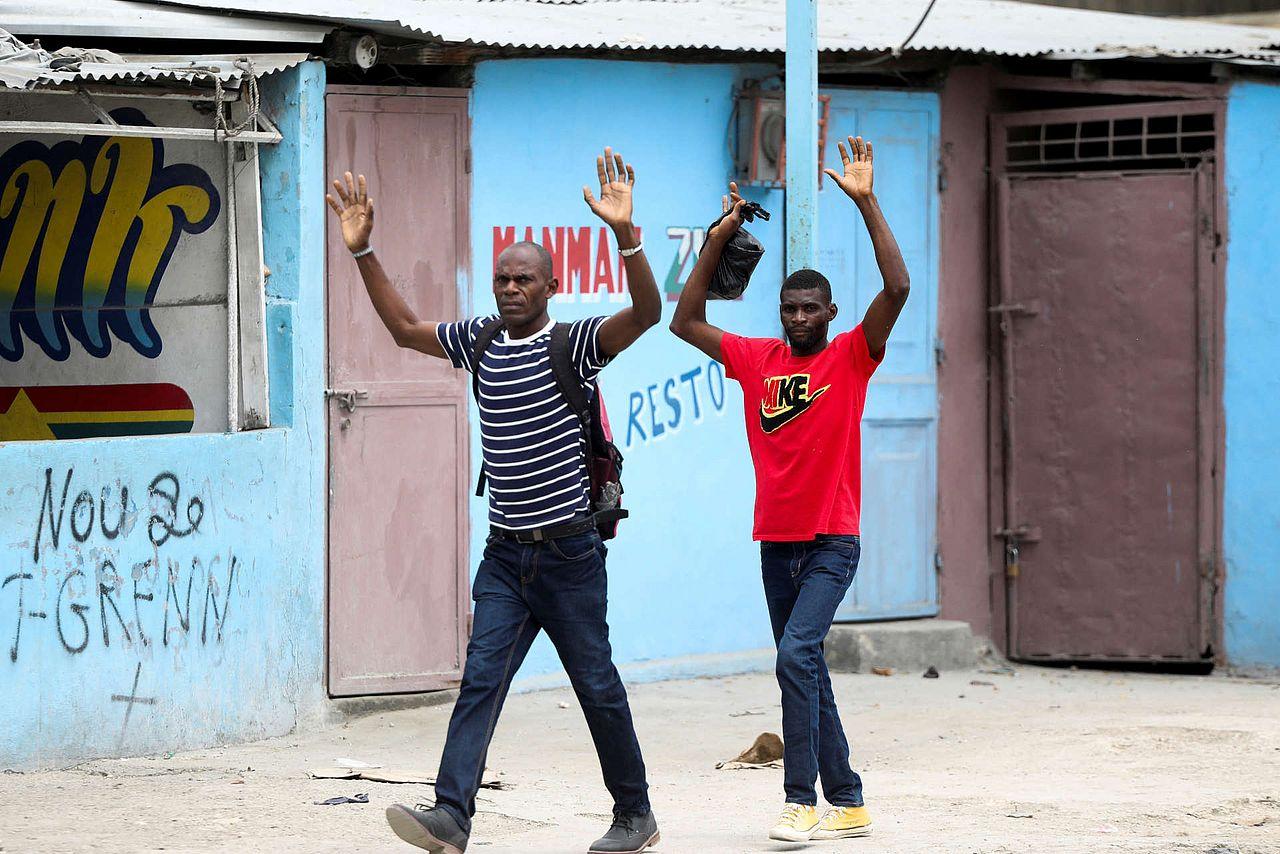
As Haiti faces a deepening crisis characterized by widespread gang violence and political turmoil, the United States is weighing the possibility of sending a new international force to help restore order and deliver humanitarian assistance to the struggling nation.This potential intervention comes at a time when concerns are mounting over protests from Kenyan police officers, who have voiced their apprehensions about joining a multinational mission aimed at stabilizing Haiti. Reports from Daily Nation shed light on the intricacies of this situation, emphasizing the challenges of international collaboration, internal dissent within law enforcement ranks, and the broader ramifications of U.S. involvement in Haiti’s ongoing strife.
U.S. Evaluation of Military Presence in Haiti Amidst Kenyan Police Protests
The persistent unrest in Haiti has prompted U.S. officials to reassess their military strategy for the region.As conditions worsen, President Biden’s administration is contemplating deploying additional forces to stabilize a nation plagued by increasing gang violence and political instability. However, this decision arrives during a sensitive period marked by growing discontent among Kenyan police regarding their anticipated role in such an operation. Concerns about insufficient support and personnel safety have led Kenyan authorities to reconsider their participation, complicating U.S. military planning.
Before finalizing deployment strategies, several critical factors must be considered:
- Security Risk Assessment: Analyzing potential threats faced by both American troops and Haitian civilians.
- Collaboration with Local Leaders: Establishing trust with Haitian authorities and community organizations for effective cooperation.
- Dynamics of International Partnerships: Understanding how dissatisfaction among Kenyan police could influence broader coalition efforts.
A military presence would require an integrated approach that prioritizes humanitarian aid alongside security measures—addressing not just immediate needs but also tackling underlying causes of instability in Haiti.
Evaluating Global Engagement Impact on Haiti’s Security Crisis
The intensifying security crisis has led U.S. officials to contemplate deploying an international force amid reports that Kenyan police are protesting against leading such an intervention effort. The breakdown of law enforcement coupled with rampant civil unrest raises urgent humanitarian concerns within the country. Experts argue that any foreign involvement must be carefully strategized to tackle root issues rather than merely providing superficial fixes akin to applying a band-aid solution. Key elements influencing peace restoration include:
- Local Engagement: Collaborating with political figures and community leaders ensures interventions meet citizens’ actual needs.
- Sustained Stability Efforts: Emphasizing long-term strategies that foster governance reforms alongside economic development initiatives.
- Pivotal Humanitarian Aid Delivery: Prioritizing immediate assistance focused on health care and safety issues facing Haitians today.
The prospect of deploying multinational forces raises questions regarding past interventions’ effectiveness; ancient precedents frequently enough reveal mixed outcomes due to inadequate coordination or lackluster local support mechanisms. Observers stress that establishing clear objectives along with accountability frameworks is essential for evaluating any new mission’s success while ensuring defined roles for all involved parties—especially considering past experiences outlined below:
| Past Interventions | Status Outcome |
|---|---|
| UN Stabilization Mission (2004-2017) | Mixed results; improved security overshadowed by scandals affecting credibility. |
Strategies for Achieving Long-Term Peace and Stability in Haiti
Tackling ongoing violence requires comprehensive strategies centered around collaboration,peacebuilding efforts,and lasting development initiatives within communities. Community-driven programs can empower residents towards taking control over their own security measures and also future prospects. Recommended actions include:
- Enhancing Local Governance Structures: Supporting transparent governance can build trust between communities & local authorities encouraging civic engagement .
- Fostering Education & ; Job Opportunities : Investing into educational resources vocational training will divert youth away from gangs promoting positive alternatives .
- Mobilizing International Support : Engaging global partners will strengthen infrastructure public services through targeted developmental aid . Â
Additionally , external interventions should prioritize coordinated approaches respecting Haitian sovereignty while fostering enduring solutions which may involve :
- Inclusive Dialog :Â Involving all factions civil society discussions finding common ground stability . Â Â
- Strengthened Security Cooperation :Â Creating frameworks partnerships enhancing capacity rebuilding trust between law enforcement agencies . Â Â
- Monitoring Evaluation Mechanisms :Â Establishing systems assessing effectiveness adapting strategies accordingly based feedback received stakeholders . Â Â
In summary , as discussions unfold surrounding possible deployment new multinational forces addressing escalating crises within haiti remain complex fluid situations requiring careful consideration multiple factors involved including recent protests kenyan officers highlighting challenges faced during peacekeeping missions internationally observed closely how developments impact future trajectory haiti overall stability recovery efforts moving forward .