U.S. Troop Deployment Considerations Amid Haiti’s Gang Violence Crisis
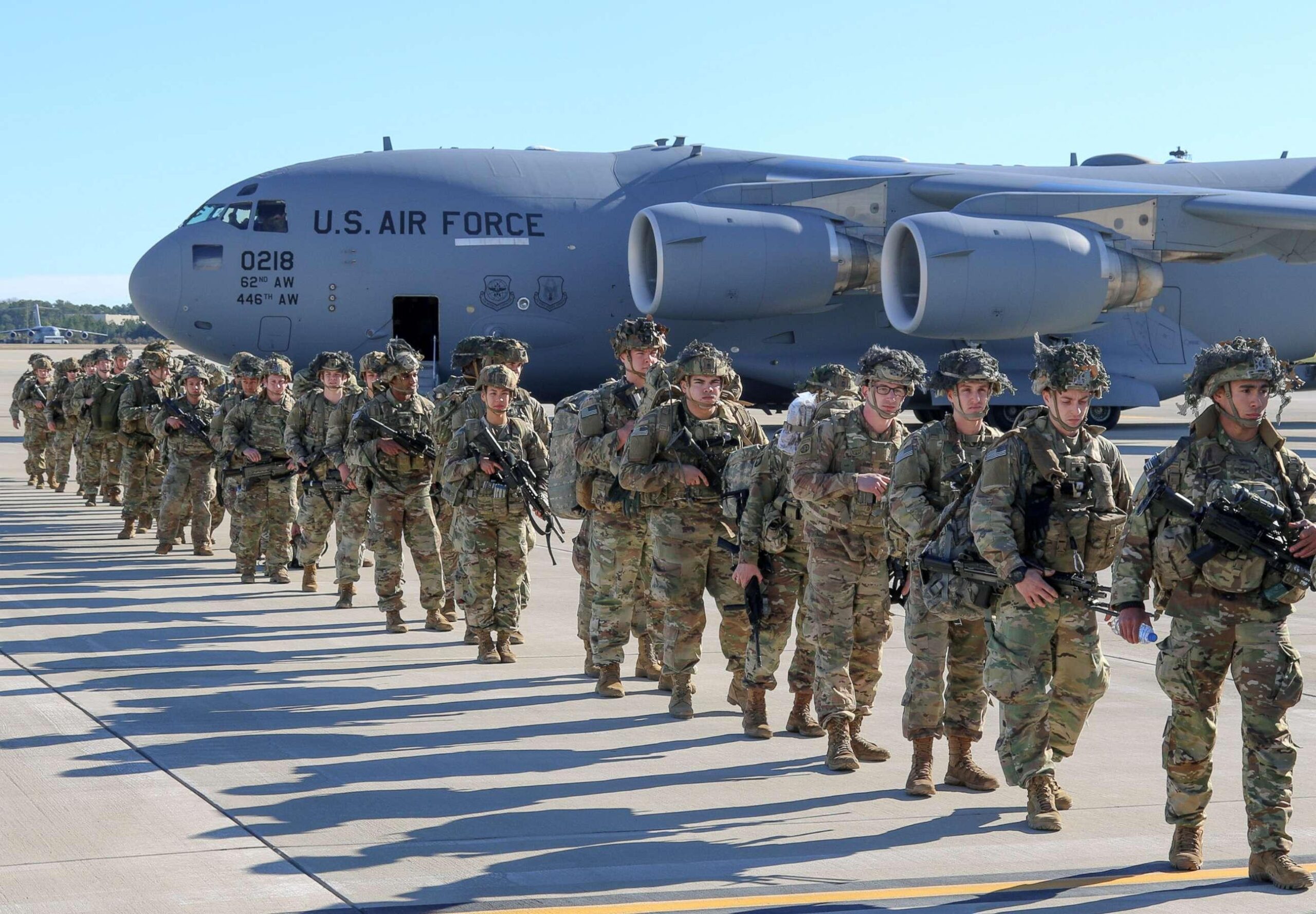
In a significant turn of events regarding the ongoing turmoil in Haiti, reports indicate that the United States is contemplating sending troops to the Caribbean nation as part of a collaborative international initiative aimed at addressing an alarming rise in gang-related violence that has thrown the country into disarray. With gangs exerting control over extensive areas, worsening food shortages and humanitarian issues, Washington’s potential military involvement highlights the pressing nature of this crisis. This consideration comes on the heels of increasing appeals from Haitian leaders for foreign support to restore peace and stability in light of a rapidly deteriorating security situation. The prospect of troop deployment not only emphasizes U.S. dedication to regional stability but also reflects growing apprehension about how Haiti’s unrest could affect neighboring nations across Latin America and beyond.
U.S.Military Response: Addressing Gang Violence in Haiti
The circumstances in Haiti have escalated dramatically, with rampant gang violence overwhelming governmental authority. In light of this chaos, the United States is weighing military intervention as part of a comprehensive strategy designed to counteract organized crime’s expanding influence throughout Latin America. Such an intervention would signify a renewed commitment to fostering regional security while aligning with U.S.strategic interests within this area.
As officials evaluate their options, several critical elements are being considered:
- Strengthening Regional Alliances: Enhancing partnerships with other Latin American nations for a coordinated response against gang activities.
- Civilian Humanitarian Needs: Ensuring mechanisms are established for providing aid and support to those affected by violence.
- Lasting Solutions: Promoting socioeconomic development programs aimed at addressing underlying causes contributing to crime and instability.
The proposed deployment could manifest through various means such as training local police forces, offering logistical assistance, or directly engaging criminal organizations through targeted operations.Collaboration with regional allies will be crucial to ensure that any strategy respects both Haitian sovereignty and its citizens’ aspirations.
Regional Impact: Navigating Security Concerns While Respecting Sovereignty
The possible stationing of U.S. troops in Haiti introduces intricate regional dynamics that require careful consideration. Many countries within Latin America—especially those sharing cultural ties with Haiti—view American military presence as both an essential measure against escalating gang violence and potentially intrusive regarding Haitian sovereignty concerns; these worries stem from past precedents where foreign interventions led more often than not to instability rather than advancement.
Nations like Brazil and Chile have cautiously expressed their support while advocating for operational mandates prioritizing Haitian leadership during any intervention efforts alongside adequate reinforcement for local law enforcement agencies.
This scenario underscores the urgent need for cohesive strategies among neighboring countries aimed at tackling insecurity without undermining Haitian governance integrity.
Key factors influencing this dialog include:
- Collaborative Security Efforts: Building alliances among Latin American states to share responsibilities related to peacekeeping missions.
- Civilian Welfare Considerations: Ensuring security initiatives do not hinder vital humanitarian assistance required by Haitians.
- Pursuing Political Stability: Supporting local governance while minimizing external interference in domestic matters.
A thoughtful approach is essential as stakeholders navigate these complexities; outcomes from such interventions could either bolster or undermine stability across the Caribbean region.
Countries must balance immediate needs for order restoration against long-term objectives focused on empowering Haitians toward self-governance once again.
As discussions surrounding troop deployments progress, engagement from international bodies like the Association of American States (OAS) and United Nations will likely play pivotal roles in facilitating enduring solutions moving forward.
Strategic Recommendations: Effective Engagement Strategies
If troop deployment occurs aimed at combating gang-related issues within Haiti effectively, it is crucial to implement various strategies fostering meaningful engagement with local communities.
Key recommendations include forming partnerships with non-governmental organizations (NGOs) along with community leaders which can facilitate open communication channels while building trust among residents.
Such collaborations can tailor responses according specific community needs whilst amplifying their voices during decision-making processes.
Additionally focusing on capacity-building initiatives will empower local law enforcement agencies ensuring sustainable security measures remain intact even after international forces withdraw from operations altogether.
A comprehensive support framework should also be integrated into any engagement plan encompassing:
- Mental health services alongside outreach programs targeting trauma recovery stemming from violent encounters;
- Educational campaigns promoting peaceful conflict resolution techniques notably geared towards youth;
- Sufficient resources allocated towards healthcare systems aiding recovery efforts post-crisis situations;
| Stakeholders | Role | Expected Contribution |
|---|---|---|
| >Local NGOs | >Community outreach | >Fostering trust & dialogue |
| >International Forces | >Security provision | >Counteracting gang presence |
| >Local Government< | >Policy implementation< | >Coordinating resources locally< |