
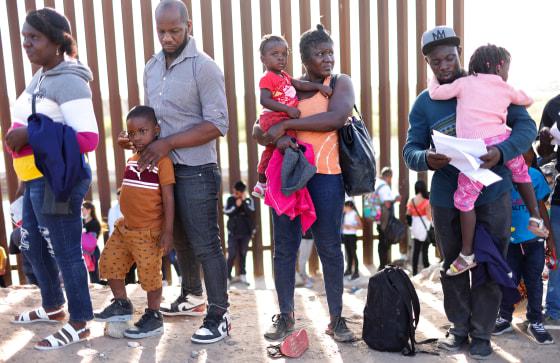
In a significant development in U.S. immigration policy, the Biden administration has announced plans to deport Haitian legal permanent residents who are suspected of having ties to gangs. This move comes amid ongoing concerns about gang violence in Haiti and its implications for the safety of its citizens in the United States. The decision has sparked a mix of reactions among immigrant advocacy groups, legal experts, and community leaders, who warn that the policy may exacerbate the already dire conditions faced by many in Haiti. As the U.S. grapples with the complexities of immigration reform and public safety, the fate of these individuals hangs in the balance, raising critical questions about justice, equity, and the humanitarian responsibilities of the U.S. government.
US Policy Shift Targets Haitian Legal Residents Amid Gang Allegations
The recent shift in U.S. immigration policy has put a spotlight on Haitian legal permanent residents accused of having connections to gangs. This controversial move by federal authorities aims to bolster national security and address rising concerns over gang-related violence in Haiti. Legal residents with alleged ties to gangs now face the possibility of deportation, a decision that has stirred significant debate among human rights advocates who argue that such actions could unjustly punish individuals without substantial evidence of wrongdoing. Critics emphasize the potential for discrimination and racial profiling, raising questions about the procedural integrity of the deportation process.
Community leaders and activists are rallying in response to these developments, calling for a more nuanced approach that takes into account the complexities of the situation in Haiti, which has been plagued by turmoil and instability. They are urging the U.S. government to consider the following aspects in its policy implementation:
- Humanitarian Considerations: Recognizing the socio-economic challenges that force individuals into precarious situations.
- Due Process: Ensuring legal protection and representation for those facing deportation.
- Community Impact: Analyzing the broader effects on families and neighborhoods within the Haitian diaspora.
| Concerns | Implications |
|---|---|
| Legal Rights | Potential violation of due process |
| Community Trust | Strained relations between immigrants and authorities |
| Safety | Exacerbating conditions in Haiti |
Implications for Communities and Families Facing Deportation
The recent announcement concerning the deportation of Haitian legal permanent residents with alleged gang affiliations raises profound concerns for both communities and individual families. The implications are far-reaching, potentially resulting in the fragmentation of households and the erosion of community stability. Families may be torn apart as loved ones, once integrated members of their neighborhoods, find themselves facing removal from the only country they have known. This creates an environment of fear and uncertainty, leading to social isolation as the threat of deportation can inhibit community engagement and support. Mental health professionals are already voicing concerns about the psychological toll on those targeted, especially children who may be unable to comprehend the sudden absence of a parent or sibling.
Beyond the immediate family impact, they highlight a ripple effect on social services, education, and local economies. The deportation of these residents disrupts schools when children lose caregivers and can overwhelm community organizations catering to vulnerable populations. As community leaders grapple with these challenges, they face the daunting task of addressing the needs of families now lacking essential support systems. Local governments may also need to reconsider their strategies surrounding public safety, as targeted deportations can inadvertently drive communities underground, making it harder to engage individuals in constructive dialogues about gang involvement. The community cohesion once celebrated may now be under threat, necessitating urgent discussions about alternative paths toward rehabilitation and support rather than punitive measures.
Recommendations for Legal Protections and Support Systems
The recent decision to deport Haitian legal permanent residents under suspicion of gang ties raises significant concerns regarding human rights and due process. To adequately address these issues, it is essential to implement robust legal protections that ensure fair treatment. Recommendations for such protections may include:
- Clear Legal Framework: Establish clear definitions of gang affiliation and provide legal guidelines for determining connections to gangs.
- Access to Legal Representation: Guarantee access to qualified legal representation for those facing potential deportation, ensuring that they are able to contest allegations effectively.
- Appeal Processes: Implement transparent and accessible appeal processes for deportation orders based on alleged gang ties.
- Community Involvement: Encourage local communities to participate in the monitoring and oversight of deportation processes to ensure accountability and protect immigrant rights.
Additionally, creating comprehensive support systems for affected individuals and families is crucial in mitigating the impact of deportation. These systems should consist of:
- Support Networks: Establish local organizations that provide emotional, legal, and logistical support to those impacted by potential deportation.
- Public Awareness Campaigns: Launch campaigns aimed at educating the public on the rights of immigrants and the potential consequences of deportations tied to gang allegations.
- Partnerships with Legal Aid Organizations: Foster collaborations with legal aid organizations to help navigate the complexities of immigration law.
- Resource Allocation: Adequately fund community programs aimed at rehabilitation and prevention of gang involvement, reducing the stigma around individuals who may be at risk.
In Summary
In conclusion, the decision by U.S. authorities to deport Haitian legal permanent residents based on alleged gang affiliations represents a significant shift in immigration enforcement policies, particularly within the Haitian community. As advocates raise concerns about the potential consequences and the accuracy of gang-related accusations, the situation underscores the complexities of balancing national security with humanitarian considerations. The fate of those individuals caught in this enforcement action remains uncertain, raising important questions about the broader implications for immigrant rights and the U.S. commitment to its own standards of justice and due process. As this developing story unfolds, further scrutiny and dialogue will be essential to address the issues at stake.









