
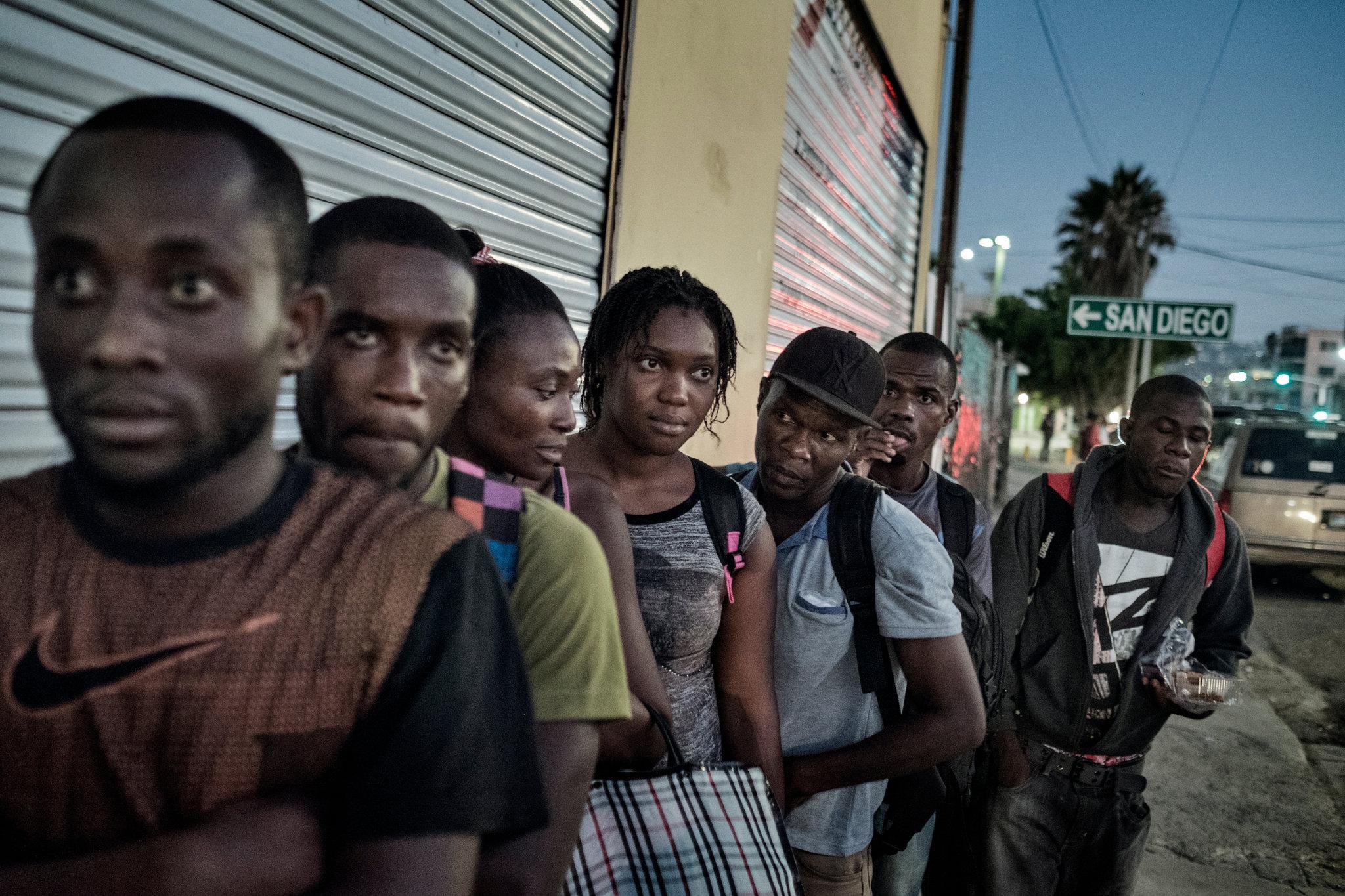
In a controversial turn of events, the U.S. government has announced that it will proceed with the deportation of Haitian nationals, just days after issuing a warning that Haiti is too dangerous for American citizens to travel there. This stark contrast in policy raises urgent questions about the safety and humanitarian conditions in the Caribbean nation, which has been grappling with escalating violence and political instability. As thousands of Haitians seek refuge in the United States, the decision to continue deportations signals a complex intersection of immigration policy and human rights considerations amid a deepening crisis in Haiti. The implications of this ruling extend beyond borders, as advocates and policymakers grapple with the responsibilities of nations in responding to international humanitarian needs.
US Immigration Policy on Haiti Faces Scrutiny Amid Safety Concerns for Americans
The recent decision by US authorities to continue deportations of Haitians, despite an official advisory deeming Haiti unsafe for American citizens, has ignited a firestorm of criticism. Advocates for Haitian immigrants argue that this policy is inconsistent and undermines the severe risks that Haitians face, both from gang violence and political instability in their home country. The US State Department’s warning highlights the acute dangers present, yet the juxtaposition of allowing deportations raises profound ethical questions about the US’s role in global humanitarian efforts.
Critics have outlined several key concerns regarding this stance:
- Human Rights Violations: Deporting individuals back to Haiti can expose them to dire situations, including threats of violence and persecution.
- Inconsistency in Policy: The US government’s contradictory actions reflect a lack of coherent strategy regarding immigration from crisis-affected nations.
- Impact on Families: Many deportees are separated from their families in the US, raising further concerns about emotional and economic repercussions.
| Recent Actions | Implications |
|---|---|
| Deportation Orders Issued | Increases risk for returning deportees |
| Travel Advisory for Americans | Highlights dangers in Haiti |
The Implications of Deportation: Humanitarian and Legal Challenges Ahead
Recent announcements regarding the deportation of Haitian nationals raise serious questions about the intersection of legal frameworks and humanitarian obligations. The U.S. government’s decision to proceed with deportations comes just days after an official assessment identified Haiti as unsafe for American citizens. This stark contrast highlights the ongoing debate surrounding the moral and legal responsibilities of nations when dealing with individuals seeking refuge. Advocates for human rights are now warning that such actions could exacerbate the already dire situation in Haiti, where violence, instability, and a lack of essential resources have created a humanitarian crisis.
The implications of these deportations extend beyond immediate humanitarian needs; they also pose significant legal challenges. Critics argue that deporting individuals back to a country deemed unsafe can violate international law and protect asylum seekers’ rights. Issues at stake include the potential for breaches of the principle of non-refoulement, which prohibits returning refugees to places where they may face persecution or serious harm. Furthermore, these actions could prompt legal challenges and public outcry, with many advocating for a reevaluation of U.S. foreign policy toward Haiti, demanding a more compassionate and legally sound approach to immigration.
| Aspect | Details |
|---|---|
| Legal Concerns | Potential violations of international law regarding asylum processes. |
| Humanitarian Impact | Increased suffering in an already vulnerable population. |
| Public Reaction | Growing advocacy for reformed immigration policies. |
Calls for a Comprehensive Approach to Haitian Migration in Light of Recent Developments
The recent assertion by U.S. authorities that Haitian migrants can be deported, juxtaposed with the decision to label Haiti as unsafe for American citizens, has ignited significant debate. Critics argue that this contradiction underscores a failure to adopt a comprehensive strategy addressing the complexities of Haitian migration and the dire conditions that compel individuals to leave their homeland. The necessity for multifaceted discussions that encompass humanitarian aid, migration policy, and international cooperation is more pressing than ever, especially as the socio-economic and political turmoil in Haiti continues to escalate, fueling the exodus of its citizens in search of safety and stability.
To navigate these challenges effectively, stakeholders must consider several key factors, including:
- Safety Assessments: Conduct thorough evaluations of the current situation in Haiti to inform migration decisions.
- Legal Protections: Ensure that Haitian migrants are afforded due process and protection under international law.
- Support Services: Invest in programs that provide necessary support and resettlement options for displaced Haitians.
- Community Engagement: Foster partnerships with local organizations to facilitate integration and support for migrants.
| Key Issues | Current Status | Recommended Actions |
|---|---|---|
| Political Instability | Crisis ongoing | Increase diplomatic efforts |
| Economic Hardship | Severe challenges | Boost humanitarian aid |
| Public Safety | High violence rates | Implement security initiatives |
In Retrospect
In conclusion, the recent announcement by U.S. authorities regarding the deportation of Haitian nationals comes as a stark juxtaposition to the State Department’s assessment of Haiti’s safety for American citizens. This decision has sparked mounting concerns among human rights advocates, who argue that it undermines the precarious situation facing many Haitians amid ongoing political instability, violence, and humanitarian crises. As the U.S. grapples with its immigration policies, the implications of these conflicting statements raise critical questions about the treatment of vulnerable populations and the responsibilities of nations in times of crisis. The unfolding situation underscores the urgent need for a comprehensive and humane approach to immigration that prioritizes safety and dignity for all. As developments continue, observers will be closely watching how this policy intertwines with the broader implications for Haiti and its diaspora.











