
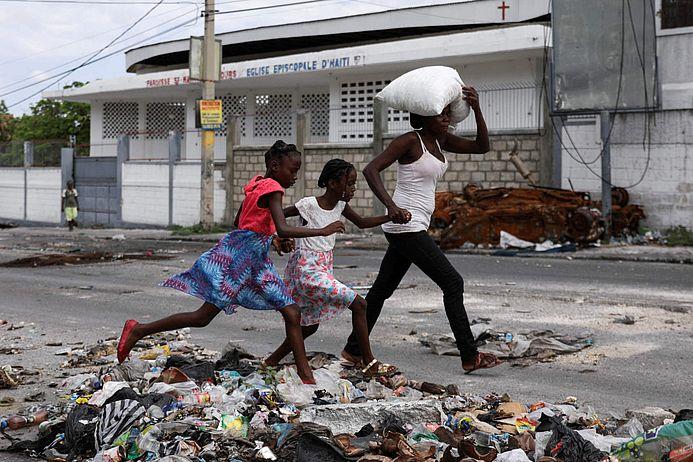
In a significant move amid escalating violence and lawlessness in Haiti, the United States government has officially designated a coalition of powerful gangs as a transnational terrorist organization. This designation highlights the growing concerns over the influence of these armed groups, which have perpetuated widespread chaos and suffering in the Caribbean nation. The announcement, reported by Reuters, comes as Haiti grapples with a deteriorating security situation, marked by kidnappings, violent confrontations, and a humanitarian crisis that has left many citizens in dire need of assistance. By classifying this gang alliance as terrorists, U.S. officials aim to curtail their operations and address the regional implications of their activities, which extend beyond Haiti’s borders.
US Government Response to Escalating Gang Violence in Haiti
The recent decision by the US government to classify a coalition of powerful gangs in Haiti as a transnational terrorist group marks a significant shift in its approach to addressing the escalating violence in the region. This move is aimed at curbing the influence of gangs that have exerted control over large swathes of the country, perpetuating a cycle of intimidation and chaos. By designating these groups as terrorists, the US intends to increase financial pressure through sanctions and enhance collaboration with international partners to tackle what has become a spiraling security crisis affecting both Haiti and neighboring nations.
In light of this designation, the US government plans to implement a series of measures that focus on targeting gang funding sources and enhancing support for law enforcement agencies in Haiti. Key initiatives will include:
- Increased intelligence sharing with regional partners
- Accelerated sanctions against individuals linked to the gang alliance
- Support for community-based programs to provide alternatives to gang involvement
| Measure | Description |
|---|---|
| Intelligence Sharing | Collaboration with nations to enhance tracking of gang activities |
| Sanctions | Targeting financial support for key gang leaders |
| Community Support | Programs to offer economic alternatives to at-risk youth |
Implications of Terrorist Designation for International Aid and Security Efforts
The recent designation of a powerful gang alliance in Haiti as a transnational terrorist group by the United States marks a significant shift in the landscape of international aid and security efforts. This classification comes with stringent measures that can severely hinder humanitarian operations in the country. Relief organizations may find themselves restricted in their ability to provide necessary aid, as any interaction with groups labeled as terrorists could potentially lead to legal ramifications. As a result, the delivery of essential services-such as food, medical care, and shelter-could be jeopardized, exacerbating the already critical humanitarian crisis in Haiti.
Moreover, this designation has broader security implications that extend beyond Haiti’s borders. Governments and multinational organizations are now compelled to reassess their strategies regarding cooperation and funding. In light of this, the following considerations will be crucial for future efforts:
- Increased security measures that protect aid workers and ensure that resources reach those in need without falling into the hands of armed groups.
- Enhanced collaboration between security forces and humanitarian organizations to navigate the complex environment effectively.
- Monitoring and evaluation systems to track the impact of aid and to ensure compliance with anti-terrorism regulations.
| Implications | Description |
|---|---|
| Legal Restrictions | Potential sanctions on organizations interacting with designated groups. |
| Operational Challenges | Increased difficulty in navigating security threats while delivering aid. |
| Need for Adaptation | Humanitarian and security strategies must evolve to ensure effectiveness. |
Strategies for Combating Transnational Crime and Supporting Haitian Stability
Addressing the complexities of transnational crime in Haiti requires a multifaceted approach that not only targets the criminal networks but also fortifies the country’s institutional resilience. One effective strategy is to enhance intelligence-sharing initiatives between Haitian authorities and international partners. By establishing robust information exchange systems, law enforcement agencies can better anticipate gang movements and disrupt their operations. Additionally, implementing community engagement programs can foster trust and collaboration with citizens, empowering them to report criminal activity without fear of retaliation. Key areas of focus include:
- Strengthening judicial processes to ensure that criminals are prosecuted efficiently.
- Increasing investment in local law enforcement training to improve operational capabilities.
- Enhancing border security measures to prevent illicit trafficking.
Furthermore, international support for Haiti must be strategic and sustainable. Providing economic assistance that targets infrastructure, healthcare, and education can create stability and diminish the appeal of gang involvement among youth. Collaborative efforts with non-governmental organizations (NGOs) and community leaders can facilitate the development of social programs that address the root causes of crime. To gauge the effectiveness of these strategies, stakeholders may consider monitoring key indicators such as:
| Indicator | Baseline Measurement | Target Measurement |
|---|---|---|
| Gang-related violence incidents | 1,500 incidents/year | Reduce by 50% in 3 years |
| Public trust in police | 25% confidence | Increase to 60% in 5 years |
| Youth engagement in crime prevention programs | 10,000 youths/year | Increase to 30,000 youths/year |
In Summary
In conclusion, the U.S. designation of the powerful Haiti gang alliance as a transnational terrorist group marks a significant escalation in the international community’s response to the escalating violence and instability in Haiti. This action not only underscores the complexities of addressing gang-related activities that have plagued the nation but also reflects a broader commitment to combating terrorism in its various forms. As the situation unfolds, it remains crucial for policymakers and humanitarian organizations to collaborate effectively, addressing the root causes of the crisis while working to restore security and stability in Haiti. The implications of this designation will likely resonate beyond its borders, influencing both regional security dynamics and the path forward for Haiti’s governance and reconstruction efforts.











