
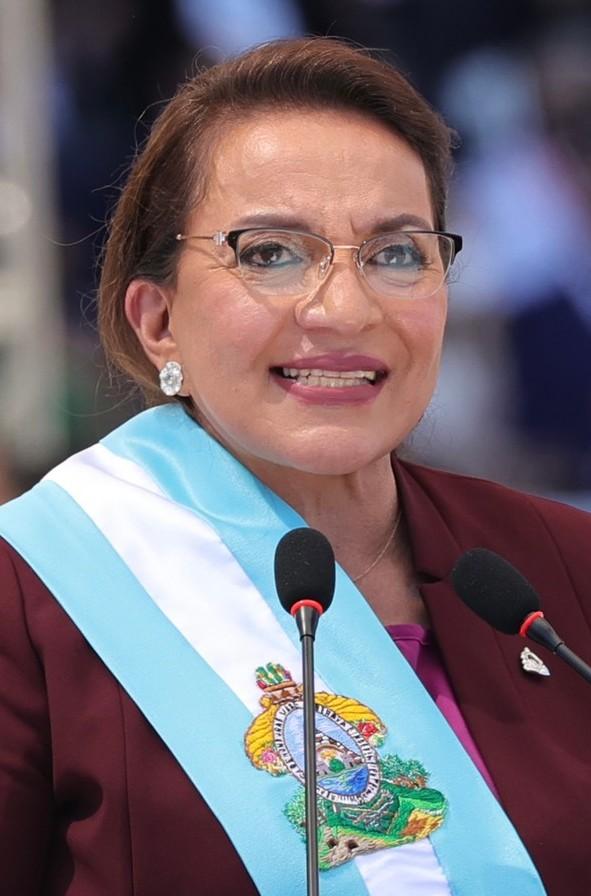
In a significant policy shift, Honduran President Xiomara Castro has reversed her previous commitment to terminate the longstanding extradition treaty with the United States, a move that has drawn widespread attention amidst ongoing concerns over drug trafficking and organized crime in Central America. Initially pledging to end the treaty, which has facilitated the extradition of numerous Honduran nationals to the U.S. on drug-related charges, Castro’s decision underscores the complexities of international relations and the challenges facing her administration in combating systemic corruption and violence. This development raises pivotal questions about the future of U.S.-Honduran cooperation in security matters and the implications for both nations as they navigate the intricacies of law enforcement and diplomatic relations.
Honduran Leadership Reconsiders Extradition Policies Amid Rising Crime Concerns
The Honduran government is experiencing a significant shift in its approach to extradition policies, particularly in light of escalating crime rates that have plagued the nation. Initially, President Xiomara Castro had signaled a determination to dismantle the extradition treaty with the United States, a move that garnered widespread attention. However, amidst alarming increases in violence and criminal activity, leadership is now reconsidering its stance. Key factors influencing this change include:
- Public Safety Concerns: The surge in homicides and gang-related crimes has prompted officials to seek external assistance.
- Pressure from the International Community: Leaders from neighboring countries and human rights organizations have urged Honduras to maintain cooperation with the U.S.
- Potential for Economic Aid: Continued extradition agreements could open avenues for financial support from international allies.
As discussions around extradition evolve, the government is also evaluating the implications of such policies on human rights and the judicial system. There remains a complex interplay between maintaining sovereignty and addressing domestic crime challenges. Government officials have proposed a series of reforms to improve internal law enforcement while ensuring that extradition remains in place for high-profile criminals. The following table illustrates the proposed reforms alongside their intended goals:
| Proposed Reform | Intended Goal |
|---|---|
| Strengthening police training | Enhance capability to tackle organized crime |
| Judicial system modernization | Ensure fair trials and reduce corruption |
| Community outreach programs | Build trust between citizens and law enforcement |
Implications for U.S.-Honduras Relations and Regional Stability
The recent decision by Honduras’ president to maintain the extradition treaty with the United States marks a significant pivot in the bilateral relationship and underscores a complex interplay of justice, governance, and international cooperation. By reversing the earlier commitment to end the treaty, the president is acknowledging the crucial role that extradition plays in combatting narcotics trafficking and organized crime, which have severely impacted Central American stability. This move reassures U.S. officials and investors that Honduras remains committed to effective law enforcement and anti-corruption measures, elements that are vital for both nations as they navigate challenges related to security and regional migration flows.
The implications of this policy shift extend beyond the bilateral relationship, highlighting potential ripple effects throughout Central America. By continuing the extradition policy, Honduras positions itself as a key ally in the U.S. strategy to stabilize the region. As local law enforcement gains stronger tools to tackle high-profile criminals, including drug lords and corrupt officials, there is potential for increased regional trust and cooperation among neighboring countries. However, this approach may also spark controversy domestically, as citizens weigh the benefits of improved security against concerns over judicial independence and human rights. The balance achieved by this ongoing partnership will be pivotal in shaping the future of governance and security in the region.
Analyzing the Impacts of Extradition on Corruption and Governance in Honduras
The Honduran government’s shift in stance on its extradition treaty with the United States has opened a debate on its implications for corruption and governance in the nation. By maintaining cooperation with U.S. authorities, the administration aims to tackle the pervasive corruption that has long plagued its institutions. This decision reflects a growing recognition that external collaboration may be imperative in addressing entrenched corrupt practices. Potential benefits of this renewed commitment to extradition include:
- Increased Accountability: High-profile extraditions could lead to prosecution of individuals who abuse their power.
- International Cooperation: Collaboration with U.S. agencies may provide Honduras with resources and expertise in anti-corruption efforts.
- Public Trust Restoration: Successful extraditions can signal to citizens that the government is serious about justice and reform.
However, the potential for negative repercussions must also be considered, particularly regarding local governance. Critics argue that reliance on external judicial mechanisms may undermine the sovereignty of Honduran institutions. Additionally, concerns remain that the process could be misused for political gain, targeting opposition figures under the guise of anti-corruption efforts. A balanced approach is essential to ensure that efforts to combat corruption do not inadvertently exacerbate political tensions. A framework for analysis includes:
| Impact Category | Potential Positive Effects | Potential Negative Effects |
|---|---|---|
| Governance | Strengthened institutions | Weakened local authority |
| Public Perception | Enhanced trust in government | Perceived political manipulation |
| International Relations | Stronger ties with the U.S. | Dependency on foreign intervention |
Key Takeaways
In a significant shift in policy, President Xiomara Castro of Honduras has decided to maintain the existing extradition treaty with the United States, a move that underscores her administration’s commitment to tackling corruption and drug trafficking. This decision contrasts sharply with her earlier promises to abolish the treaty, which had sparked widespread debate within the country. As the landscape of Honduran politics continues to evolve, the implications of this change are likely to resonate deeply, affecting not only international relations but also domestic security and governance. Stakeholders across the region will be closely monitoring how this new approach will influence the dynamics of crime and cooperation with U.S. law enforcement in the months to come.











