
Strength in Numbers: Latin America Urges Unity in Face of Trump Tariffs
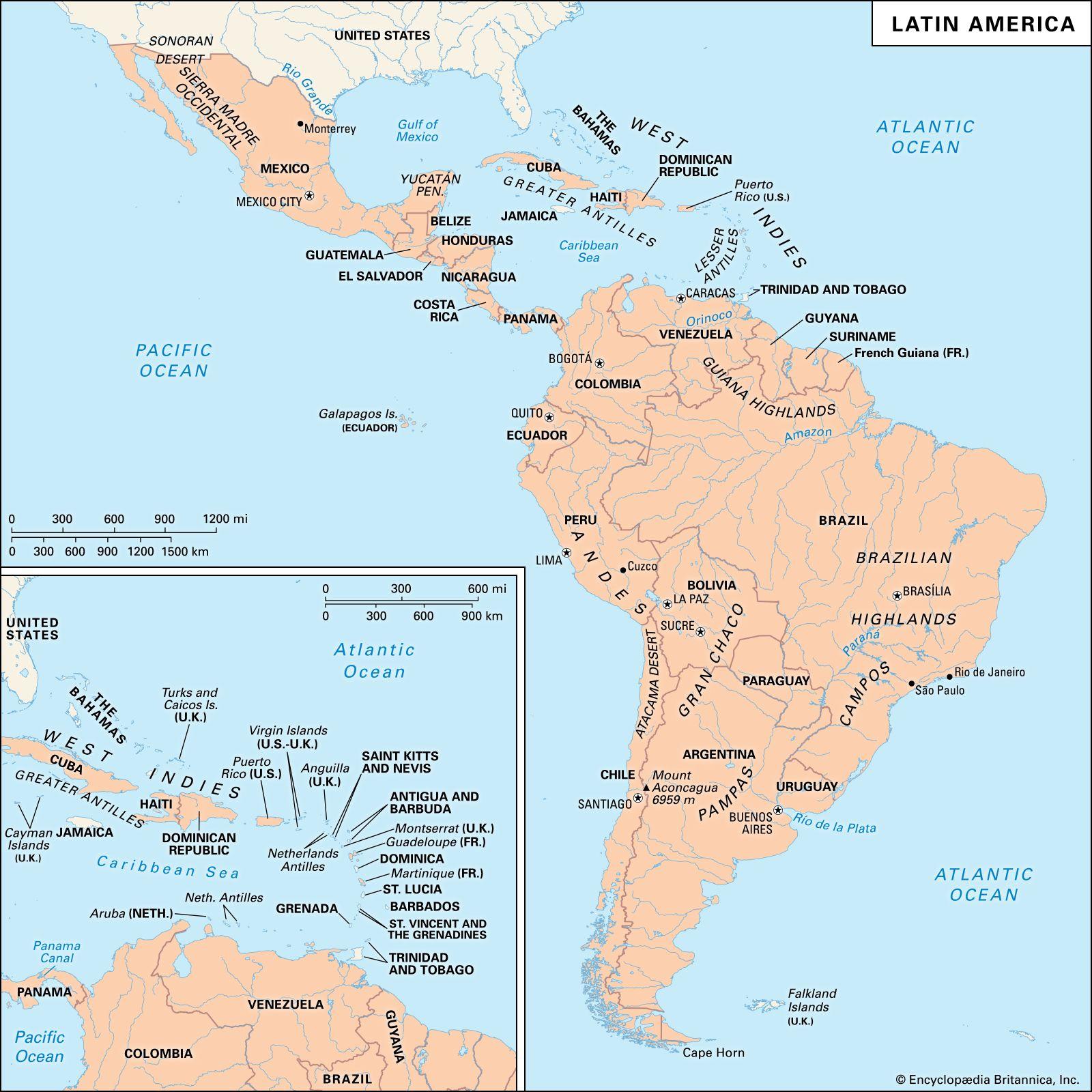
In an increasingly interconnected global economy, the specter of protectionism looms large over international trade relations, particularly in Latin America. As the Trump administration reaffirms its commitment to tariffs that threaten vital trade flows, countries across the region are responding with calls for unity and collaboration. From the bustling streets of Buenos Aires to the boardrooms of São Paulo, leaders are strategizing to mitigate the impacts of these economic pressures, recognizing that a united front may be their strongest asset. This article explores the collective efforts of Latin American nations to navigate the turbulent waters of U.S. trade policy, highlighting their initiatives to bolster regional cooperation and economic resilience in the face of external challenges. As tensions rise and uncertainties loom, the message is clear: together, Latin America is standing firm against the tides of tariffs.
Latin America’s Call for Solidarity Against Economic Pressure
In recent discussions, leaders across Latin America have responded firmly to the economic pressure posed by the Trump administration’s tariffs. Rallying together, nations within the region have reiterated the significance of unity in the face of external challenges. They contend that a coordinated approach is essential not only to mitigate the adverse effects of these tariffs but also to protect the collective economic interests of Latin America. The call for solidarity emphasizes the need for stronger economic ties and a reduction in reliance on unilateral trade agreements that historically favor larger economies.
As the region mobilizes for this cause, several key action points have emerged:
- Enhanced Trade Partnerships: Encouraging bilateral and multilateral agreements among Latin American nations to bolster regional markets.
- Joint Negotiation Strategies: Collaborating on a unified front to negotiate with the U.S. and other trade partners to resist harmful tariffs.
- Advocacy for Fair Trade: Promoting policies and initiatives that favor equitable trade practices on a global scale.
To facilitate this strategy, countries are also exploring a potential framework for a united economic response, which may include trade tariffs on U.S. goods as a measure of reciprocity against unfair practices.
| Country | Proposed Action |
|---|---|
| Brazil | Initiating new trade agreements with regional partners |
| Argentina | Developing a strategic alliance for export enhancement |
| Chile | Advocating for collective tariff negotiations |
Strategies for Unified Trade Responses Amidst U.S. Tariff Threats
As the specter of U.S. tariffs looms large, Latin American nations are championing a coordinated front to combat potential economic fallout. This collective approach enables countries to leverage their shared economic interests and enhance bargaining power. Key strategies being discussed include:
- Strengthening Alliances: Forming strategic partnerships both within the region and with key global players to establish a united voice against tariff impositions.
- Diversifying Trade Relations: Expanding trade ties with other markets, such as the European Union and Asia, to lessen dependency on the U.S. economy.
- Joint Negotiation Efforts: Organizing groups to engage directly with U.S. officials, ensuring that Latin America’s concerns are firmly placed on the table.
Furthermore, leveraging regional organizations, like MERCOSUR, can facilitate streamlined discussions and policies tailored to protect member economies. The potential impact of retaliatory tariffs also warrants a reevaluation of current trade agreements. A comprehensive analysis of affected sectors is vital. The table below illustrates projected sectoral vulnerabilities across selected Latin American economies:
| Country | Sector Most Affected | Estimated Impact |
|---|---|---|
| Argentina | Agriculture | High |
| Brazil | Manufacturing | Moderate |
| Chile | Mining | Low |
| Colombia | Energy | High |
Economic Resilience: Building Collaborative Approaches for Regional Growth
In light of recent tariff escalations, Latin American nations are rallying to foster economic collaboration and resilience against external pressures. The collective response to tariffs imposed by the United States underscores the importance of solidarity among nations in the region. Leaders are emphasizing the significance of enhancing trade agreements and strengthening economic partnerships that benefit member states collectively, rather than eroding their individual market positions. By prioritizing regional integration, they aim to create a buffer against external shocks and cultivate sustainable growth within the region.
To effectively counter the effects of protectionist policies, countries are encouraged to adopt a multi-faceted strategy that includes:
- Sharing resources: Pooling financial and technical resources to support sectors disproportionately affected by tariffs.
- Joint trade missions: Coordinating international outreach efforts to promote their exports.
- Strengthening regional organizations: Enhancing the capabilities of organizations like MERCOSUR to facilitate intra-regional trade.
| Country | Tariff Impact (%) | Proposed Collaboration |
|---|---|---|
| Argentina | 20 | Joint agricultural exports |
| Brazil | 15 | Energy resource sharing |
| Chile | 10 | Investment in technology |
Wrapping Up
As Latin American nations grapple with the potential repercussions of renewed tariffs under the Trump administration, the call for solidarity among regional partners grows louder. Leaders across the continent are emphasizing the need for collective action to mitigate the economic fallout and to advocate for fair trade practices. As discussions unfold, it remains clear that unity may be the strongest weapon in confronting not only the challenges posed by tariffs but also the broader issues of economic inequality and political instability. The coming weeks will be crucial as countries weigh their responses and seek to forge a cohesive strategy that uplifts all members of the region. In a time marked by division, Latin America’s steadfast commitment to collaboration could define its resilience in the face of adversity. The path forward may be uncertain, but what is evident is that together, these nations are determined to stand strong against external pressures.











