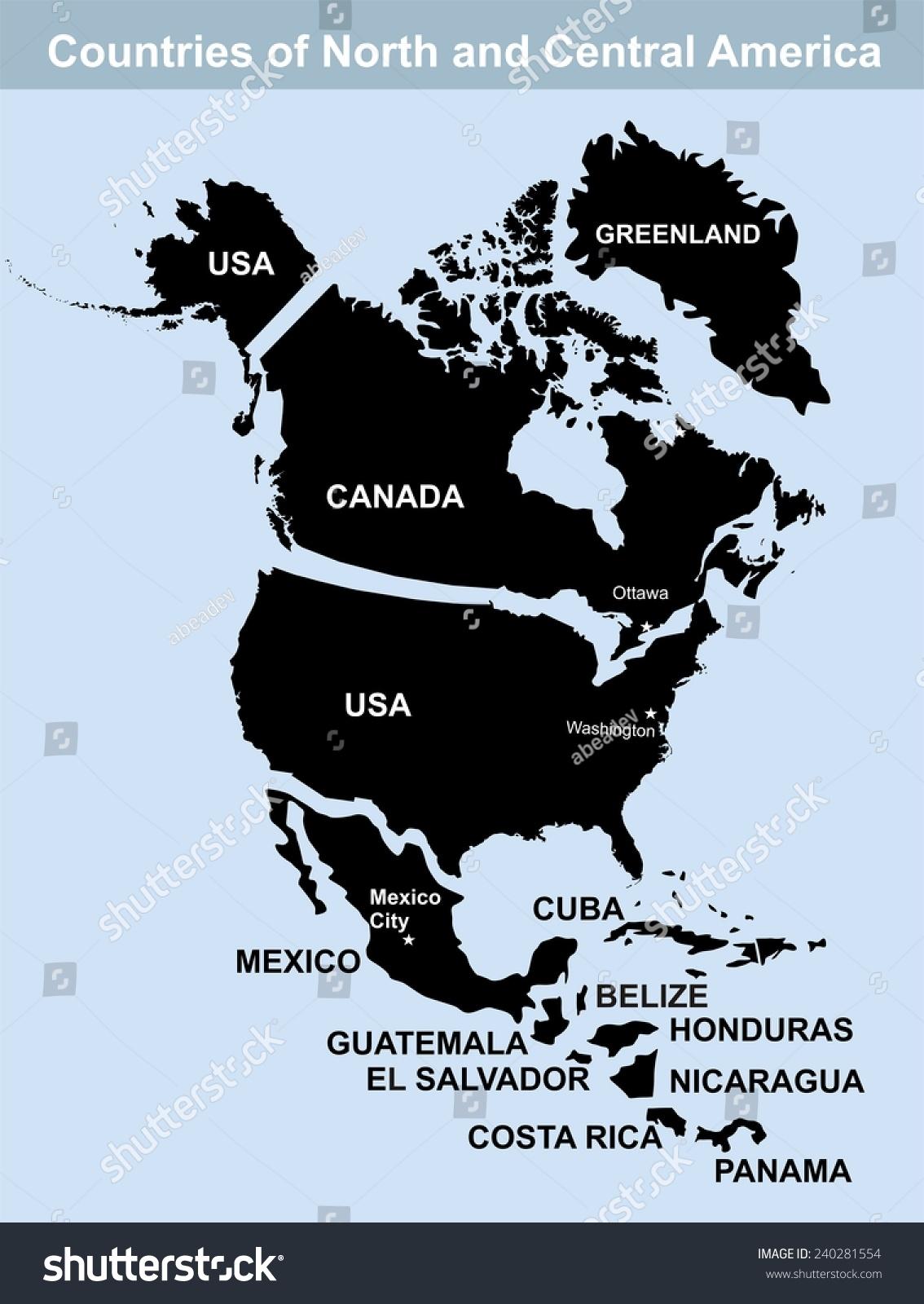
Millions in North Central America Engulfed by War-Like Levels of Violence
In a stark portrayal of escalating unrest, millions of individuals across North Central America find themselves ensnared in a cycle of violence that mirrors the devastation of armed conflict. As gang warfare and systemic crime proliferate in countries like Honduras, El Salvador, and Guatemala, communities are plunged into a relentless state of fear and uncertainty. The Norwegian Refugee Council (NRC) has sounded the alarm, documenting a crisis that has forced countless families to flee their homes in search of safety. With access to basic necessities in jeopardy and social structures under severe strain, the humanitarian implications of this crisis call for urgent attention and action from the international community. As the situation deteriorates, it raises critical questions about the root causes of such violence and the potential paths toward restoration and peace in a region rife with challenges.
Rising Tide of Violence in North Central America: Understanding the Root Causes
The surge in violence across North Central America has roots deeply embedded in a complex web of socio-economic and political factors. Poverty is rampant, with a significant portion of the population living on less than $2 a day, leading to desperation and vulnerability. Additionally, the lack of access to education plays a crucial role, as children grow up without hope for a better future, increasing their susceptibility to gang recruitment and violence. Political instability, coupled with corruption in law enforcement, further exacerbates the situation, leaving communities without protection and fostering widespread mistrust in governing institutions.
Moreover, the influence of transnational criminal organizations cannot be underestimated. These groups thrive in environments where young individuals seek escape from dire socio-economic conditions, often drawing them into a cycle of crime and violence. As these organizations collaborate with local gangs, the violence escalates, creating an atmosphere akin to war. The impact is severe: countless families are displaced, thousands are killed each year, and communities are left to grapple with the aftermath of this turmoil. Below is a summary of the key factors contributing to the current state of violence:
| Contributing Factors | Impact |
|---|---|
| Poverty | Increased desperation and recruitment into gangs |
| Education Access | Limited opportunities leading to a cycle of violence |
| Corruption | Erosion of trust in law enforcement and governance |
| Drug Trafficking | Escalated conflicts among criminal groups |
Impact on Communities and Displacement: A Deep Dive into the Human Cost of Conflict
The ongoing violence in North Central America has left deep scars on local communities, with millions of individuals facing the day-to-day realities of fear, instability, and loss. Families have been torn apart as displacement becomes a common consequence of armed conflicts, often forcing individuals to flee their homes in search of safety and security. The ripple effects of this violence extend beyond immediate physical dangers; they compromise access to essential services, disrupt education for children, and strain already fragile local economies. As neighborhoods are entrenched in gang warfare and political strife, the sense of community crumbles, leaving survivors grappling with trauma and uncertainty.
In this climate, the human cost is staggering. Many are left to navigate the complexities of living as internally displaced persons or refugees, often facing the dire challenges of inadequate shelter, scant resources, and limited support systems. A surge in violence-related fatalities further underscores the gravity of the situation. Communities that once thrived are now characterized by unchecked crime rates, with families fighting for basic rights and necessities. The table below highlights some key statistics illustrating the human impact of this ongoing crisis:
| Category | Statistics |
|---|---|
| Displaced Individuals | Approximately 1.4 million |
| Child Victims of Violence | Over 75,000 annually |
| Communities Affected by Gang Violence | Over 500 |
Solutions for Peace: Recommendations for Policy Makers and Humanitarian Efforts
The alarming rise in violence across North Central America necessitates immediate and coordinated responses from policy makers and humanitarian organizations. To mitigate the current crisis, it is crucial to implement a comprehensive strategy that addresses the root causes of violence while providing immediate humanitarian support. Key recommendations include:
- Strengthening local governance: Enhance community resilience by empowering local leaders and ensuring accountability in governance to reduce corruption and foster trust.
- Investing in education: Focus on long-term solutions by providing educational opportunities that equip youth with skills, reducing the allure of gang involvement.
- Enhancing law enforcement: Reform police forces to prioritize community-oriented strategies and foster collaboration with civil society.
- Poverty alleviation programs: Increase funding for initiatives that provide economic stability, particularly in rural areas heavily impacted by violence.
- Regional cooperation: Foster collaboration among Central American nations to share intelligence and resources in combating organized crime efficiently.
In parallel, humanitarian efforts must be amplified to provide immediate relief to those affected by violence. Vital actions should include:
- Emergency aid delivery: Establish rapid response teams to deliver food, shelter, and medical assistance to displaced populations.
- Psychosocial support: Implement mental health programs to help victims cope with trauma, integrating community-based approaches.
- Protection of vulnerable groups: Prioritize the safety and rights of women and children, often the most affected by violence.
- Data collection and research: Enhance understanding of violence patterns to devise informed, effective interventions.
Proposed Strategies Table:
| Strategy | Goal |
|---|---|
| Strengthening Local Governance | Empower communities and reduce corruption |
| Investing in Education | Reduce youth gang involvement |
| Enhancing Law Enforcement | Improve community safety and trust |
| Poverty Alleviation | Provide economic stability |
| Regional Cooperation | Combat organized crime collaboratively |
In Summary
In conclusion, the situation in North Central America remains dire, as millions of people find themselves ensnared in a cycle of violence that resembles war-like conditions. The surge in crime, fueled by organized gangs, social unrest, and political instability, has not only led to a humanitarian crisis but has also forced countless families to flee their homes in search of safety and stability. As international attention broadens and local governments grapple with solutions, the need for urgent action cannot be overstated. Addressing the root causes of this pervasive violence is essential to restoring peace and security in a region that deserves a future free from fear. Continued reporting and advocacy will be crucial in holding powers accountable and ensuring that the voices of the affected communities are heard and prioritized in the quest for lasting change.