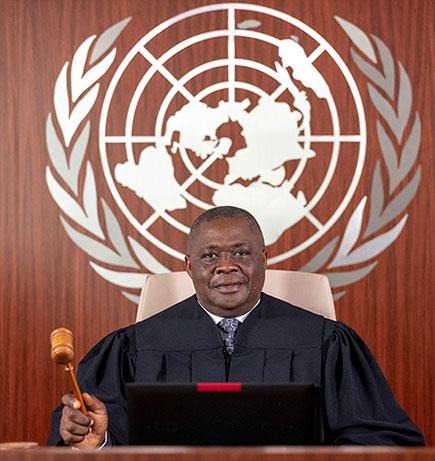
In a significant legal ruling, a federal judge has intervened to block the Trump administration’s efforts to terminate protected status for nearly 60,000 individuals from Central America and Nepal. This decision comes as a critical development in ongoing debates surrounding immigration policy and humanitarian protections in the United States. The ruling, which addresses the status of refugees and recipients of Temporary Protected Status (TPS), underscores the complex challenges faced by vulnerable communities navigating uncertain futures amid shifting political landscapes. As the implications of the judge’s decision unfold, advocates for immigrant rights are hailing the ruling as a victory, while the administration considers its next steps in this contentious legal battle.
Judge’s Ruling Reinforces Protections for Central American and Nepalese Immigrants Amid Legal Challenges
A federal judge’s decision has delivered a significant victory for nearly 60,000 immigrants from Central America and Nepal, solidifying their legal protections amid ongoing attempts by the Trump administration to terminate these programs. The ruling emphasizes the importance of these protections, which were originally instituted to provide safety and stability to individuals fleeing violence and natural disasters in their home countries. Immigrants covered under the Temporary Protected Status (TPS) will continue to benefit from these essential safeguards, allowing them to live and work in the United States without the constant fear of deportation. This decision reaffirms the judiciary’s role in safeguarding the rights of vulnerable populations against policies deemed arbitrary and capricious.
The judge’s ruling is especially crucial given the backdrop of growing legal challenges faced by immigrant communities. Practically, the reinstatement of these protections means that recipients can contribute to their local economies and communities without the threat of removal. As the situation evolves, the implications of this ruling could lead to further legal scrutiny of the administration’s immigration policies. Stakeholders, including advocacy groups and immigrant rights organizations, have expressed optimism about the outcome, highlighting the ruling not only as a legal triumph but also as a moral imperative to uphold the dignity and rights of those seeking refuge. The following table summarizes the key details of the court’s decision:
| Key Detail | Description |
|---|---|
| Protected Status | Temporary Protected Status (TPS) |
| Population Affected | Approximately 60,000 from Central America and Nepal |
| Judicial Impact | Reinforces protection against deportation |
| Potential Outcomes | Further legal challenges to immigration policies |
Implications of the Court’s Decision on Immigration Policy and Community Stability
The recent ruling by the court to block the Trump administration’s efforts to terminate Temporary Protected Status (TPS) for nearly 60,000 individuals from Central America and Nepal carries significant ramifications for the broader immigration policy landscape. It reinforces the notion of legal protections afforded to vulnerable communities, emphasizing the importance of humanitarian considerations in policy decisions. This decision not only allows TPS holders to continue living and working in the United States without the threat of deportation but also reflects a growing judicial recognition of the complexities surrounding immigration and the need for stable, long-term solutions. As states and cities grapple with the implications, we may witness shifts in local policies aimed at better integrating these communities into the social and economic fabric of American life.
Moreover, the ruling may have a stabilizing effect on communities that are heavily reliant on the contributions of TPS holders. As these individuals often fill critical roles in various sectors-healthcare, agriculture, and service industries-maintaining their legal status fosters continuity and economic security within their neighborhoods. Some key points to consider regarding this issue include:
- Community Cohesion: Legal status helps maintain family unity and prevents disruption in local communities.
- Economic Impact: TPS holders contribute significantly to the economy; their work supports local businesses and creates jobs.
- Public Perception: The ruling may influence public sentiment toward immigration policies, possibly leading to increased support for more inclusive measures.
Recommendations for Future Legislative Actions to Safeguard Vulnerable Populations
The recent judicial decision reinforces the need for comprehensive legislative efforts aimed at protecting vulnerable populations, particularly those affected by international crises. To ensure sustained support and stability for individuals from Central America and Nepal, policymakers should consider the following actions:
- Establish Permanent Residency Pathways: Create legislative frameworks that allow individuals under Temporary Protected Status (TPS) to transition to permanent residency, providing them with a sense of security and the opportunity to contribute long-term to their communities.
- Enhance Refugee Resettlement Programs: Expand and streamline refugee and asylum programs, ensuring resources are allocated for legal aid and services that facilitate the integration of new arrivals.
- Increase Funding for Community Support Initiatives: Allocate resources to local organizations that support immigrants and refugees with essential services such as education, healthcare, and employment opportunities.
Additionally, developing robust partnerships with countries of origin can play a crucial role in addressing the root causes of migration. Lawmakers should prioritize engagement in diplomatic dialogues aimed at improving safety, economic conditions, and human rights in these nations. The following measures could be beneficial:
| Strategy | Objective |
|---|---|
| Foreign Aid Programs | Support economic development and stability in Central American countries. |
| Human Rights Initiatives | Promote the protection of human rights and enhance judicial systems. |
| Disaster Relief Agreements | Provide immediate assistance and recovery support following natural disasters. |
To Conclude
In conclusion, the recent ruling by a federal judge marks a significant legal victory for the thousands of individuals from Central America and Nepal who have relied on Temporary Protected Status (TPS) due to unsafe conditions in their home countries. The judge’s decision to block the Trump administration’s efforts to terminate these protections underscores the ongoing complexities surrounding immigration policy in the United States. As legal battles continue to unfold, the fate of TPS holders remains uncertain, but this ruling reaffirms the importance of judicial oversight in matters that profoundly affect the lives of vulnerable populations. With advocacy groups and lawmakers closely monitoring the situation, the implications of this ruling will likely reverberate through future immigration discussions.