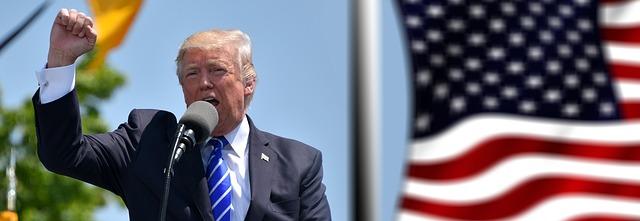
In a bold move that could reshape the political landscape of Latin America, former President Donald Trump is making concerted efforts to influence the region’s leadership and governance, seeking to align them more closely with his own ideological framework. As he positions himself as a key player in the upcoming geopolitical arena, Trump’s initiatives signal a renewed focus on strengthening ties with conservative governments and undermining leftist movements. This article delves into Trump’s strategies, the implications for regional politics, and how his vision might redefine the relationship between the United States and its southern neighbors amidst an ever-evolving global landscape.
Donald Trump’s Influence on Political Dynamics in Latin America
Donald Trump’s presidency marked a distinct shift in the geopolitical landscape of Latin America, as his administration adopted a strategy that reverberated deeply across the region. His approach, characterized by a blend of populism and nationalism, fueled a wave of ideological alignment between the United States and like-minded leaders in countries such as Brazil and Colombia. These alliances often manifested in policies favoring economic deregulation, aggressive anti-immigration stances, and shifts towards more confrontational foreign relations, particularly concerning Venezuela. As a result, several Latin American governments began to emulate Trump’s tactics, increasingly framing their political agendas around themes of sovereignty and national pride, significantly impacting local political dynamics.
Furthermore, Trump’s rhetoric often underscored a larger trend of political polarization throughout Latin America, as his influence inspired both support and backlash among various sectors of society. Among his supporters, the allure of Trump’s brand of politics-marked by direct communication and assertive action-was evident in the rise of populist leaders who sought to capitalize on discontent with traditional political structures. Conversely, the opposition faced challenges in mobilizing cohesive responses to these changes, often struggling to counter the simplistic narratives proliferated by Trump’s style. This complex dichotomy has resulted in fluctuating electoral outcomes across the hemisphere, creating a critical juncture for governance and democratic practices.
Assessing Economic Implications of Trump’s Foreign Policy Initiatives
Trump’s foreign policy initiatives in Latin America have significant economic implications, deeply intertwining with the political climate in the region. By focusing on nationalistic and protectionist policies, the Trump administration has influenced trade relationships, often favoring bilateral agreements over multilateral frameworks. This shift may lead to mixed economic results, with potential short-term gains for U.S. businesses but long-term challenges for Latin American economies that rely on diverse international trade partnerships. Key aspects include:
- Increased Tariffs: Heightened tariffs on imports can disrupt supply chains and raise product prices, impacting consumer behavior.
- Investment Shifts: American companies may lean toward investments in the U.S. rather than in Latin American countries, stalling economic development in the latter.
- Political Alliances: Economies might find themselves realigning with countries that align closely with U.S. political ideologies, altering traditional trade dynamics.
The implications of these strategies extend beyond immediate trade effects; they may reshape financial systems and induce uncertainty regarding future policy directions. Companies operating in or with Latin America could face disruptions due to shifts in regulations and investment climates. Analysts predict varying outcomes based on nations’ responses to these initiatives. A table of predicted economic impacts highlights some of these variations:
| Country | Potential Impact | Timeframe |
|---|---|---|
| Mexico | Increased export tariffs on agricultural products | Short-term |
| Brazil | Increased foreign direct investment from U.S. firms | Medium-term |
| Venezuela | Possible economic isolation and sanctions | Long-term |
Strategies for Strengthening Democratic Institutions Amidst External Pressure
In the face of increasing external pressures, particularly those stemming from influential figures like Donald Trump, it is crucial for Latin American countries to adopt robust strategies that reinforce their democratic institutions. These strategies should emphasize the importance of regional cooperation among nations to safeguard sovereignty and democratic norms. Collaborative initiatives could include:
- Strengthening Civil Society: Empowering local organizations and grassroots movements to monitor governmental actions and engage citizens in political processes.
- Judicial Independence: Ensuring that judicial systems remain free from political interference, thus upholding the rule of law and protecting democratic rights.
- Media Freedom: Safeguarding independent media outlets to provide unbiased information and hold politicians accountable.
Furthermore, leveraging international partnerships can fortify resistance against external manipulation. Countries can establish bilateral and multilateral agreements centered on democratic governance and human rights. By sharing best practices, these alliances can enhance resiliency against populist tactics that threaten democratic integrity. An illustrative framework for these partnerships could include:
| Country | Partnership Focus |
|---|---|
| Colombia | Anti-corruption measures |
| Chile | Judicial reform |
| Argentina | Civil society engagement |
Final Thoughts
In summary, Donald Trump’s approach to Latin America is reflective of a broader strategy that seeks to reshape the region according to his administration’s priorities and ideologies. As the Trump administration navigates complex diplomatic landscapes, the implications of these efforts could have lasting consequences on bilateral relations and regional dynamics. With a focus on economic partnerships, immigration policies, and security measures, the potential for both cooperation and conflict remains high. As these developments unfold, the region’s diverse political landscapes will play a crucial role in determining how successful Trump will be in imprinting his vision onto Latin America. As citizens and leaders across the continent respond to these initiatives, the long-term effects of this ambitious agenda are yet to be seen, making it a pivotal moment in the history of U.S.-Latin America relations.