
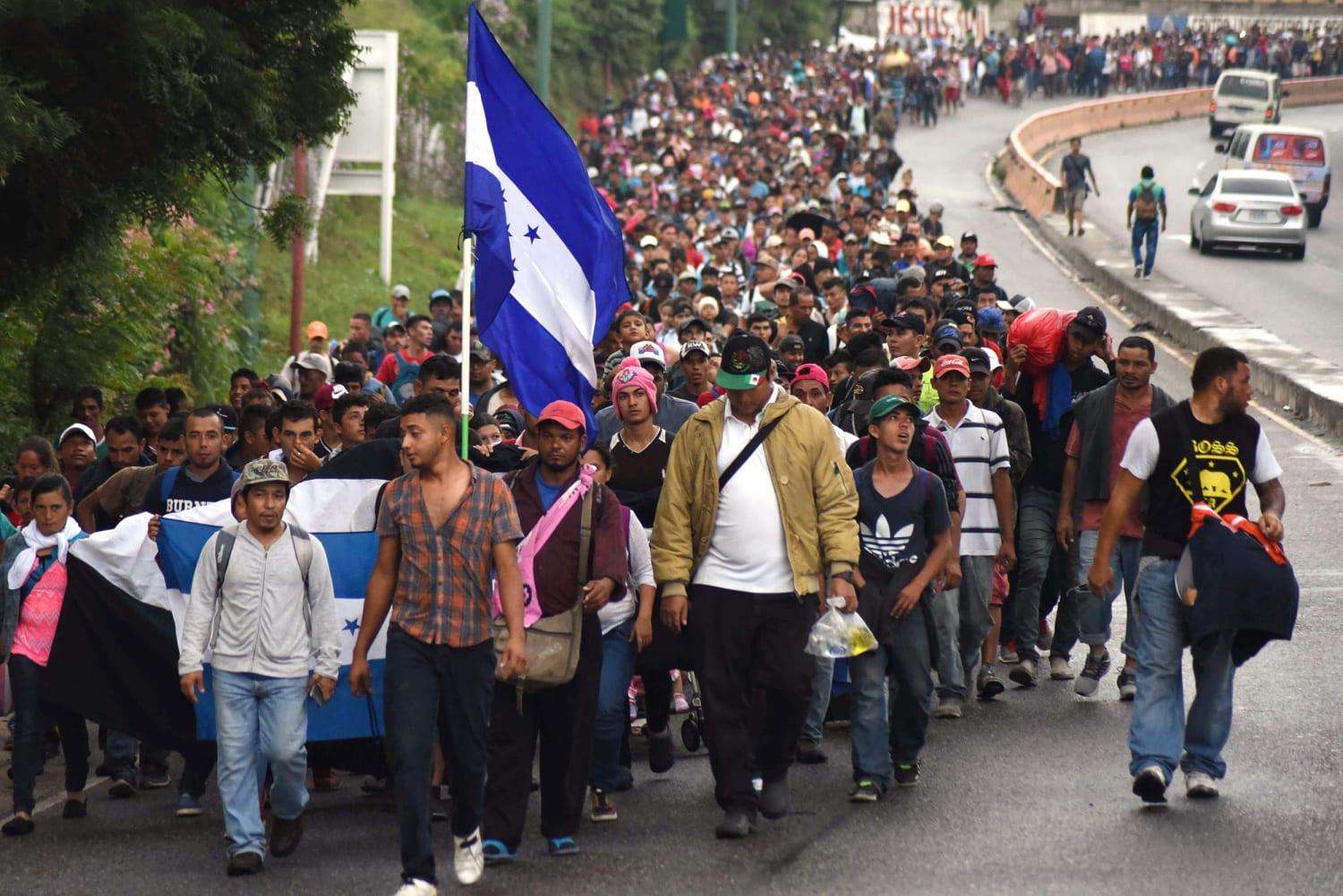
In a significant policy shift, the U.S. government has announced plans to eliminate Temporary Protected Status (TPS) for approximately 80,000 Hondurans and Nicaraguans, many of whom have lived in the United States for over 25 years. Initially granted in response to natural disasters and civil unrest in their home countries, this status has allowed these individuals to remain and work legally in the U.S. However, the recent decision has sparked concerns about the potential consequences for families and communities that have long considered the U.S. their home. As the expiration date approaches, advocates and lawmakers are mobilizing to address the challenges these individuals may face while pushing for comprehensive immigration reform. The impending changes raise critical questions about the future of long-term TPS holders, the sociopolitical implications for their countries of origin, and the ongoing debate around immigration policy in America.
Temporary Status Expiration Affects Thousands of Families in the US
As the U.S. government moves to revoke the temporary protected status (TPS) for a significant number of individuals from Honduras and Nicaragua, thousands of families face an uncertain future after having built their lives in the country for over two decades. This decision affects approximately 80,000 TPS recipients, many of whom have established homes, careers, and community ties. The revocation of their protected status will uproot families who have come to rely on this form of relief since the devastation caused by natural disasters in their home countries.
The implications of this policy shift extend beyond individual lives; local economies and communities are likely to feel the impact as well. Families affected by this change are at risk of losing access to essential services and support networks, leading to heightened fears around deportation and instability. Key concerns include:
- Employment: Many TPS holders work in critical sectors, contributing to the economy.
- Education: Children of TPS recipients may struggle to continue their education if families are forced to relocate.
- Healthcare: Loss of status may diminish access to medical care for vulnerable populations.
In response to these changes, advocacy groups are mobilizing to support affected families, urging policymakers to consider alternatives that would allow longstanding residents to remain in the U.S. safely. As this situation continues to unfold, community organizations are gearing up to provide legal assistance, counseling, and resources for those facing potential deportation.
Understanding the Implications for Hondurans and Nicaraguans in the Workforce
The impending removal of temporary status from approximately 80,000 Hondurans and Nicaraguans after a quarter-century underscores significant challenges for this population, particularly in the workforce. For many, this legal change will disrupt established lives and careers, affecting not only individual financial stability but also the broader economic landscape. Many of these workers have become integral to various sectors, contributing to industries such as agriculture, construction, and services. The potential loss of their temporary protected status could lead to job insecurity and increased vulnerability to exploitation.
As the situation unfolds, the implications for employers and the economy are equally noteworthy. Businesses that rely heavily on this workforce may face labor shortages, forcing them to either reduce operations or seek alternative labor sources. The following factors highlight the developments employers should consider:
- Recruitment Challenges: Difficulty in finding skilled labor to replace departing employees.
- Increased Training Costs: Investing time and money in training new hires may be necessary.
- Market Instability: Possible disruptions in productivity, affecting supply chains and profitability.
In navigating these changes, workforce entities will need to adapt quickly, and economic policies may need reassessment to ensure that businesses remain viable and that displaced workers receive the support they need. The ramifications of this policy shift not only affect the lives of those directly impacted but also resonate throughout the communities they support.
Policy Recommendations for Supporting Affected Communities Moving Forward
To effectively support the Honduran and Nicaraguan communities affected by the recent policy changes, it is imperative that local and federal governments take decisive and compassionate action. Key recommendations include:
- Fast-Track Immigration Relief: Implement processes to expedite work permits and residency applications for those affected, ensuring they can support themselves and their families immediately.
- Access to Legal Assistance: Provide resources and funding for legal aid organizations to assist individuals in navigating their immigration status, as many may not have the knowledge or means to do so.
- Community Support Networks: Establish community coalitions that offer social services, mental health support, and language classes to facilitate integration and resilience among affected families.
Moreover, collaboration with non-profits and faith-based organizations can amplify support efforts. This could include:
| Organization Type | Potential Contributions |
|---|---|
| Non-Profit Organizations | Financial aid, legal support, and community programs |
| Faith-Based Groups | Emotional support, shelter, and food assistance |
| Local Businesses | Job opportunities and apprenticeships |
In advocating for the rights and wellbeing of these communities, it is essential that dialogue remains open between policymakers and the individuals affected, ensuring that their voices are heard and their needs prioritized.
Future Outlook
As the U.S. government prepares to terminate temporary protected status for approximately 80,000 Hondurans and Nicaraguans, the implications of this decision resonate deeply within affected communities. After nearly a quarter-century of residency in the United States, many individuals face uncertainty about their future amid ongoing challenges in their home countries. Advocates and legal experts predict a significant impact, both on the lives of those directly affected and on the broader social and economic fabric of the nation. As these changes unfold, the conversations surrounding immigration policy, humanitarian obligations, and the rights of long-term residents will continue to develop, spotlighting the need for comprehensive reform and support for those who have called the U.S. home for so long. The story of these individuals is one of resilience and uncertainty, reminding us of the human stories behind immigration policies and the ongoing debate over America’s role in offering refuge and opportunity.









