
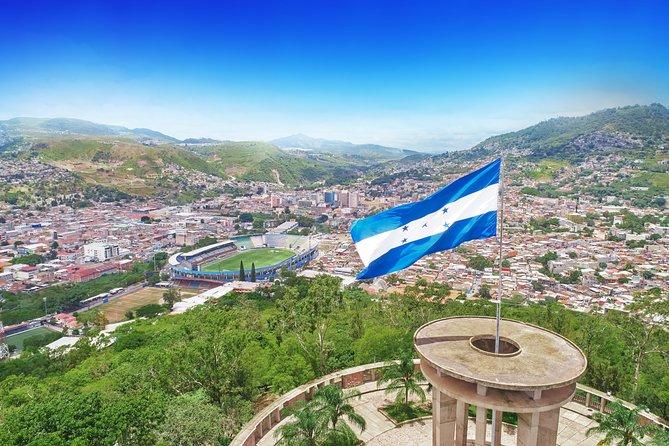
In a significant display of regional cooperation, representatives from 33 countries gathered in Tegucigalpa, Honduras, for the annual summit of the Community of Latin American and Caribbean States (CELAC). This year’s meeting, held against a backdrop of diverse political landscapes and pressing social challenges, aims to strengthen unity among member states while addressing critical issues such as economic recovery, environmental sustainability, and regional security. As leaders engage in dialogue and negotiation, the summit underscores the importance of multilateralism in fostering collaboration and collective action in Latin America and the Caribbean. With a focus on solidarity and mutual development, CELAC seeks to chart a path forward in a rapidly changing global context.
Countries Unite in Tegucigalpa for Crucial CELAC Summit
The bustling capital of Honduras is currently hosting the annual summit of the Community of Latin American and Caribbean States (CELAC), where leaders from 33 countries have gathered to address pressing issues affecting the region. The summit aims to foster greater cooperation among member states on topics such as economic recovery post-COVID-19, climate change, and regional security. Attendees are optimistic that the forum will yield concrete agreements to enhance collaboration and promote sustainable development across Latin America and the Caribbean.
Key discussions are centered around the following themes:
- Economic Integration: Strategies to boost trade and investment among participating countries.
- Public Health: Cooperation on healthcare systems, vaccine distribution, and pandemic preparedness.
- Climate Action: Initiatives to combat climate change and promote renewable energy sources.
- Social Inclusion: Programs aimed at reducing inequality and supporting marginalized communities.
As part of the summit, countries will also explore ways to strengthen solidarity in the face of external pressures. The collective voice of CELAC members presents a formidable stance against geopolitical tensions, emphasizing a commitment to multilateral dialogue. Below is a table summarizing the top three priorities highlighted during the summit:
| Priority | Description |
|---|---|
| Trade Collaboration | Enhancing intra-regional trade agreements and partnerships. |
| Sustainable Development | Implementing environmentally friendly policies and initiatives. |
| Health Cooperation | Sharing resources and expertise to strengthen health systems. |
Key Discussions and Themes Shaping Regional Cooperation
The CELAC summit in Tegucigalpa provided a vital platform for leaders to engage in meaningful dialogue on pressing regional issues. Among the topics discussed were economic collaboration, climate change initiatives, and the need to enhance social equity across member nations. There was a strong emphasis on forging sustainable development paths that prioritize the welfare of the people, with participants highlighting the significance of joint ventures in technology transfer, renewable energy, and disaster resilience. Leaders unanimously agreed that fostering economic self-sufficiency is essential in countering external pressures and ensuring long-term prosperity for Latin America.
A recurring theme was the importance of political unity in the face of global challenges, including economic sanctions and geopolitical tensions. Several delegations underscored the need for a cohesive approach to foreign policy, promoting solidarity among member states to better navigate international relations. Notably, discussions included:
- Strengthening cultural ties among nations to promote mutual understanding
- Addressing migration challenges collaboratively to create safe and dignified pathways
- Enhancing trade agreements to boost intra-regional commerce
- Fostering healthcare collaboration to address shared public health concerns
As the summit concluded, delegates expressed optimism about fostering deeper integration within the region, aiming to tackle these key areas with innovative solutions and a commitment to collective action. The discussions set a precedent for future engagements, as the countries look to build a resilient and cooperative framework that will serve not only their own citizens but also contribute to the stability and growth of Latin America as a whole.
Strategic Recommendations for Strengthening CELAC’s Impact on Latin America
In light of the discussions at the recent CELAC summit, it is crucial for the organization to adopt a series of initiatives aimed at enhancing its influence in Latin America. Economic cooperation should be prioritized to counteract the effects of external pressures and promote regional stability. This can be achieved by:
- Creating trade agreements that prioritize local industries and create a more integrated market.
- Establishing financial solidarity mechanisms among member states to support economic resilience.
- Fostering a culture of technology transfer to empower less developed nations within CELAC.
In parallel, CELAC must amplify its role in addressing social issues that resonate across the continent. Addressing poverty, inequality, and environmental challenges will require a unified approach that puts people first. Key strategies should include:
- Implementing joint social programs that target marginalized communities.
- Promoting education and cultural exchanges to strengthen ties between nations.
- Collaborating on regional environmental policies to combat climate change collectively.
| Focus Area | Action Item |
|---|---|
| Economic Cooperation | Create trade agreements |
| Financial Solidarity | Establish support mechanisms |
| Social Issues | Joint social programs |
| Education | Promote cultural exchanges |
| Environment | Collaborate on policies |
Future Outlook
In conclusion, the CELAC summit in Tegucigalpa marks a significant gathering of leaders from 33 countries, emphasizing the importance of dialogue and cooperation in tackling shared challenges across Latin America and the Caribbean. As nations navigate complex political, social, and economic landscapes, the outcomes of this summit may shape regional policy directions and foster greater unity amidst ongoing global uncertainties. With the discussions centered on critical issues such as sustainability, migration, and economic development, the decisions made here will resonate far beyond Honduras, highlighting the role of regional diplomacy in fostering solidarity and addressing the needs of diverse populations. As the world watches, the commitment to collaboration will be pivotal in shaping a more integrated and resilient Latin America.











