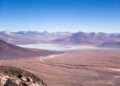
For most of its history, Chile was a country most people associated with the end of the world. The southernmost country on earth, located far away from all major geopolitical happenings, quiet, sparsely populated, and stretching across an unimaginable latitudinal expanse, Chile lived in comfort and prosperity, selling its copper to the rest of the world.
Starting with the mid-90s, however, Chileans discovered that they had more to sell to the world than just their copper, iodine, and lithium, of which it is the largest or the second largest producer in the world. Chile could also sell its exceptional beauty, the likes of which was fast disappearing from the rest of the world.
Today, tourism accounts for over 3.2% of the country’s GDP and generates 4.5% of all its jobs. And these numbers are only growing each year.
Here’s how the country got there.
How Chile became a tourism powerhouse in the Americas
It was in the early 90s that Chile first began to seriously consider bolstering tourism as a pillar of its economic development. The first concrete step towards this vision was reflected in the renaming of its crucial Ministry of Economy.Â
Previously called the Ministry of Economy, Development and Reconstruction, it was now renamed to the Ministry of Economy, Development and Tourism to reflect the changed focus of the governmental attitude towards tourism.
Starting with the mid-90s, the Chilean government ran a series of print and television ad campaigns aimed at attracting tourists, primarily from the OECD countries. Another focal point for pushing tourism was the International Song Festival of Vina del Mar, which, by this time, had become the largest music festival in Latin America. It began to attract internationally renowned artists such as Daddy Yankee and Nelly Furtado.
The efforts soon began to pay dividends. By 2010, Chile was the 8th most visited country in the Americas, and the third most visited country in South America, after Brazil and Argentina.Â
In 2018, Lonely Planet recognised Chile as the number one destination to visit in the world, crowning nearly 2 decades of efforts by the Chilean government to develop its tourism.
What are the major active travel offerings in Chile?
Chile’s unique geography makes it an adventurer’s paradise. Stretching over 4,300 kilometres from the dry Atacama Desert in the north to the icy expanses of the south, the country boasts a diverse array of ecosystems and climates. This vast range allows for a wide variety of outdoor activities such as:
Hiking and trekking: The Torres del Paine National Park, with its iconic granite peaks, offers world-renowned trekking routes like the W and O circuits. The Atacama Desert provides otherworldly landscapes for exploration, including the Valle de la Luna and the salt flats of Salar de Atacama.
Skiing and snowboarding: The Andes Mountains provide some of the best skiing and snowboarding opportunities in the Southern Hemisphere. Resorts such as Valle Nevado, La Parva, and Portillo attract winter sports enthusiasts from around the globe.
Water sports: The extensive coastline and numerous lakes make Chile a haven for water sports. Kayaking in the fjords of Patagonia, surfing the powerful waves of Punta de Lobos, and white-water rafting in the Futaleufú River are just a few of the exhilarating options available. Even inland, the lake in the Los Lagos region and the Seven Lakes offer extensive opportunities for water sports.
Biking: Biking is the latest to join the active travel bandwagon in Chile. Given its excellent road infrastructure, great hotels, and low levels of traffic, it is no surprise that cyclists from all over the world are flocking to Chile. Cycling tours in Chile typically unfold over a period of 8-10 days, with the Los Lagos and Araucania regions being the most popular destinations.Â
This region is home to the indigenous Mapuche people, known for their strong ties to mother nature. Its numerous volcanoes and lakes make it irresistibly beautiful, while the great cycling infrastructure makes biking an absolute joy.
The Los Lagos region also happens to be the home of Chile’s salmon production. Chile is the second largest producer of salmon in the world, after Norway. Anyone who has ever been on a Norway bike tour will be struck by the similarities between Norway and the Los Lagos region.
Wine tourism: Chilean wines need little introduction. The Apaltagua, Maipo, and Colchagua regions of Chile are especially known for the high quality of their wines. Many tour operators are now combining biking and hiking tours with wine tasting tours. This is a very common offering in Europe, where, for instance, you could do an Italy or a Portugal bike tour that also takes you through the wine growing regions of the country, with stays at major wine orchards. Here guests get to see first hand how their favorite vintages are made and stored.
A commitment to sustainable tourism
Chile’s commitment to sustainability is a key factor in its rise as an active travel hub. The country’s diverse landscapes are protected through a network of national parks and reserves, ensuring the preservation of its natural beauty and biodiversity. Efforts to promote ecotourism and minimise environmental impact are evident in initiatives such as:
Green energy: Chile is investing heavily in renewable energy sources, particularly solar and wind power, to reduce its carbon footprint. The Atacama Desert, with its high solar radiation, is becoming a leader in solar energy production.
Conservation projects: Private and public conservation projects, like the creation of new national parks and the expansion of existing ones, are safeguarding wildlife and natural habitats. Patagonia National Park, established through a collaboration between the government and conservation organisations, is a prime example.
Community involvement: Sustainable tourism in Chile often involves local communities, providing economic benefits while preserving cultural heritage. Indigenous groups, such as the Mapuche in the Lake District, offer authentic cultural experiences and eco-friendly accommodations.
Wrapping up
Chile’s infrastructure is continually improving to accommodate the growing influx of tourists. The expansion of regional airports, improved road networks, and the development of eco-friendly lodgings and tour services make remote areas more accessible without compromising their pristine condition.
With the Chilean state committed to increasing and improving tourism in the country, Chile has the potential to overtake Brazil and Argentina as the active travel hub of South America.
The editorial unit
Source link : https://www.theupcoming.co.uk/2024/06/06/how-chile-became-an-active-travel-hub-in-south-america/
Author :
Publish date : 2024-06-06 08:11:25
Copyright for syndicated content belongs to the linked Source.