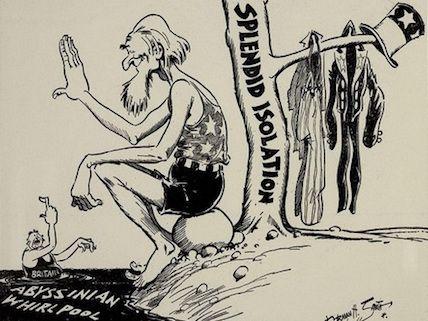
America’s evolving Role: The Debate on Isolationism vs. Global Leadership
As the international landscape undergoes significant transformations, the debate surrounding America’s potential shift towards isolationism has gained renewed urgency. Recent foreign policy choices, economic factors, and changing public attitudes have reignited discussions about the United States’ position in global affairs. From trade conflicts to military involvements, national conversations are converging on a crucial question: should america adopt a more inward-looking strategy or continue its traditional role as a global leader? This article explores the current political climate and analyzes various elements that may influence America’s possible withdrawal from international engagement, incorporating perspectives from experts across diffrent fields. As nations observe these developments closely,the consequences of such a pivot could redefine U.S. foreign policy and reshape international relations for years ahead.
Shifting Public Opinion: The Move Toward Isolationist Approaches
The recent evolution in american political sentiment has ignited intense discussions regarding the nation’s role on the world stage. A growing segment of citizens is advocating for an inward-focused foreign policy approach due to various influences such as economic hardships,ongoing overseas conflicts,and increasing disillusionment with global alliances.Consequently, we are witnessing a revival of isolationist ideologies that prioritize national interests over international commitments.
This trend is marked by heightened skepticism toward multinational treaties and organizations; many individuals are calling for a reevaluation of U.S. participation in collaborative agreements.
As public opinion shifts, political figures are beginning to align their platforms with these sentiments—an alignment that carries significant implications for both domestic and foreign policies in America. Key factors driving this transformation include:
- Economic Priorities: Many Americans believe that domestic issues should take precedence amid rising inflation rates and job instability.
- Military Fatigue: Voter exhaustion from extended military operations abroad has prompted calls for reduced military involvement.
- National Security Concerns: In an increasingly interconnected world, there is growing sentiment that U.S. security can be better safeguarded through less engagement in overseas conflicts.
this shifting landscape not only impacts policy advancement but also alters how America interacts with both allies and adversaries globally. Analysts now ponder whether this trend indicates merely a temporary retreat or signals a more profound long-term change in American political ideology.
Global Repercussions: America’s Potential Withdrawal from International Engagement
The prospect of America stepping back from its role on the global stage could create far-reaching effects worldwide. Nations historically dependent on U.S leadership must now confront new realities where strategic partnerships are being reassessed while countries seek choice alliances to compensate for America’s reduced presence.
The ramifications of this shift can be categorized into several key areas:
- Power Dynamics Shift: In absence of U.S involvement, regional powers might attempt to assert dominance leading to increased instability within those regions.
- Nations Forming New Alliances: Countries are actively creating new partnerships—especially within Asia and Europe—to counterbalance perceived threats posed by rival states.
- Evolving Trade Relationships: Nations are adapting their trade strategies as they seek new markets while reducing reliance on American exports.
Additionally, changes in U.S foreign policy could significantly impact global governance structures like the United Nations which may struggle without American support during crises management efforts.
Key areas at risk include:
| crisis Area | Potential Consequences |
|---|---|
| Sustainability Initiatives | A decline in collaboration may hinder progress towards environmental goals. |
This evolving geopolitical habitat not only tests existing frameworks but also challenges traditional notions surrounding multilateral cooperation itself; nations must navigate these changes carefully amidst rising competition and uncertainty globally.
Strategic Pathways: Finding Balance Between Isolationism & global Engagement Responsibilities
the rise of isolationist rhetoric necessitates careful consideration regarding how best to maintain America’s standing without entirely withdrawing from its obligations as an influential player internationally.
This strategy should emphasize diplomatic avenues prioritizing mutual benefits while addressing pressing domestic issues.
Some key approaches might involve:
- Harnessing Digital Tools : Employ digital diplomacy methods enabling engagement with diverse communities worldwide enhancing dialog channels without physical presence .
- Reinforcing Strategic Partnerships : Strengthen existing coalitions whilst forming new ones focused around critical matters like climate action , public health showcasing commitment towards shared responsibilities .
- rethinking Trade policies : Develop trade regulations protecting local industries yet fostering cross-border commerce ensuring symbiotic rather than exclusionary economic decisions .
Conclusion Remarks : Navigating Future Challenges Ahead !
As we witness ongoing shifts within today’s complex geopolitical arena , it remains vital consider whether or not USA truly retreats into isolationism . While some analysts highlight increasing preferences among citizens favoring local over external engagements ; others warn against oversimplifying intricate nature underlying US -international relations dynamics .
Trade , security , diplomacy all suggest complete withdrawal unlikely ; though noticeable priority adjustments reflect nation grappling identity amidst rapidly evolving multipolar context .
moving forward policymakers must tread carefully balancing desires expressed domestically alongside imperatives tied directly responsibility held globally .The path ahead remains uncertain yet invites reflection upon values shaping future direction taken concerning US Foreign Policy initiatives moving forward.