
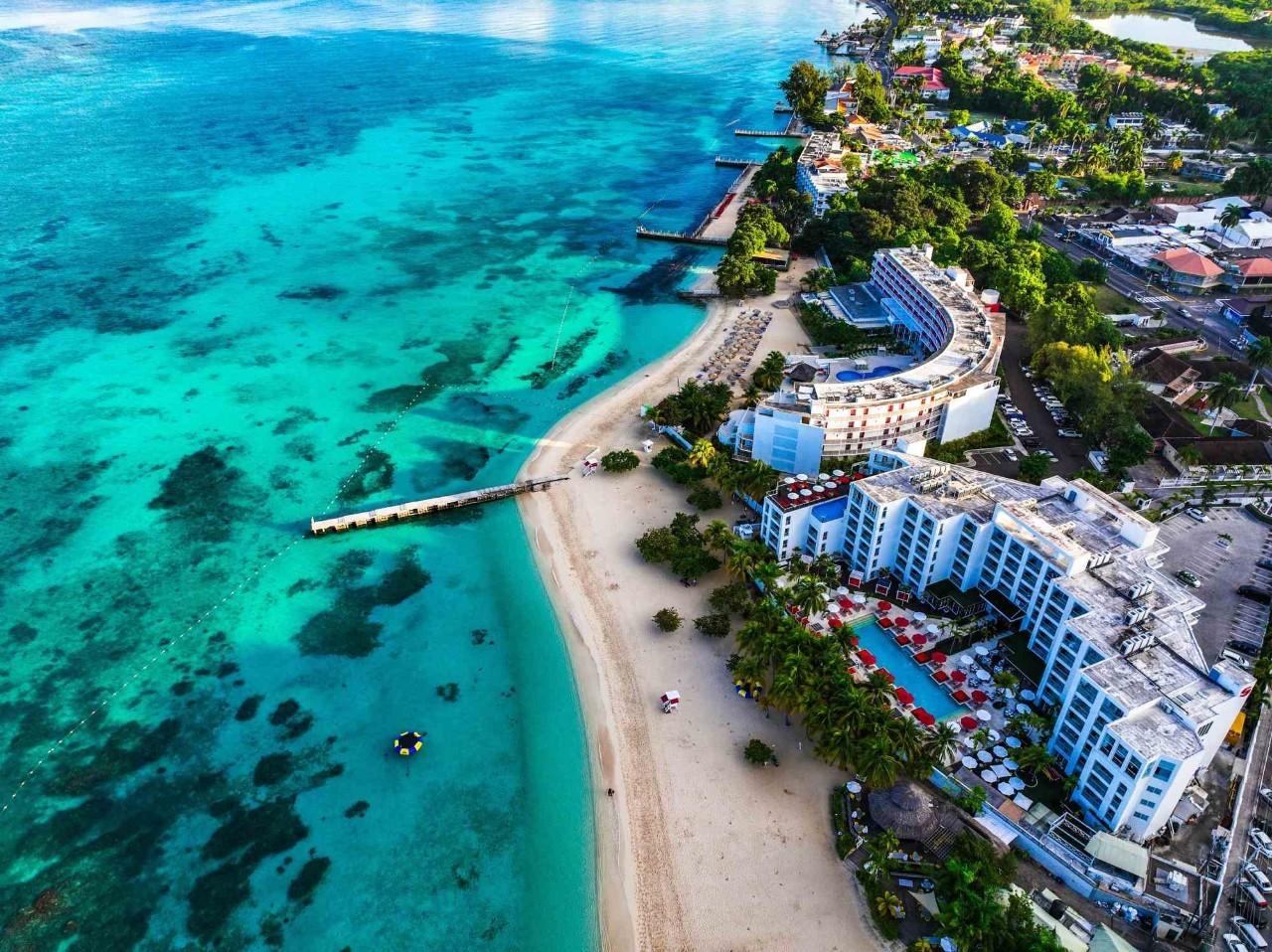
In a significant development in U.S.-Jamaican relations, Senator Marco Rubio has committed to revisiting the travel warnings issued for Jamaica, signaling a potential shift in the perception of the Caribbean nation as a travel destination. During his recent visit to the island, Rubio expressed concerns regarding safety and security, prompting discussions about the implications of U.S. advisories on tourism and local economies. This renewed focus on travel advisories not only highlights the balance between safety and tourism but also underscores the broader cultural and economic ties between the United States and Jamaica. As both countries navigate this complex dynamic, Rubio’s stance may influence future policies and perceptions surrounding travel to this vibrant island nation.
Marco Rubio Addresses Safety Concerns Amid U.S. Travel Warning for Jamaica
During a recent visit to Jamaica, Senator Marco Rubio addressed the growing safety concerns following the U.S. State Department’s travel warning for the island nation. He emphasized the importance of balancing tourism and security, stating that Jamaican officials are taking proactive measures to enhance public safety. Rubio noted that dialogue between U.S. authorities and Jamaican law enforcement is crucial in fostering a secure environment for both locals and tourists. As part of his commitment, he pledged to revisit the current warnings and work towards updates that accurately reflect the realities on the ground.
Rubio also highlighted several initiatives aimed at improving safety and attracting more visitors, including:
- Increased Police Presence: Enhancing visible law enforcement in tourist areas.
- Community Engagement: Building trust between police and local communities to prevent crime.
- Investment in Infrastructure: Upgrading public spaces and facilities to promote a safer experience.
To track the effectiveness of these initiatives, a collaboration between U.S. and Jamaican agencies will be crucial in assessing crime rates and visitor feedback over time. In his concluding remarks, Rubio expressed optimism that with concerted efforts, Jamaica can remain a favorite destination for American travelers.
Impact of Travel Advisory on Jamaica’s Tourism Industry and Local Economy
The potential revisiting of the U.S. travel advisory by Marco Rubio has sparked significant concern among stakeholders in Jamaica’s tourism sector. As one of the island’s primary economic drivers, tourism relies heavily on the perceptions and decisions of international travelers. An advisory warning can deter visitors, leading to a cascade of negative outcomes for local businesses involved in the hospitality and service industries. It is crucial for stakeholders to understand the implications of these advisories, which include:
- Reduced Visitor Numbers: A travel warning may lead to a decrease in travelers, particularly from the U.S., who constitute a large portion of Jamaica’s tourism.
- Economic Ripple Effects: Lower tourist arrivals directly impact job security for those employed in hotels, restaurants, and tour operations.
- Investment Hesitation: Potential investors might reconsider commitments in the tourism sector, which could slow development and infrastructure improvements.
- Loss of Local Revenue: A decrease in visitor spending affects local artisans, transportation services, and various tourism-related ventures.
The repercussions of a negative travel advisory could also extend beyond immediate financial losses. The long-term image of Jamaica as a tourist destination may suffer, decreasing its attractiveness relative to competing Caribbean islands. This necessitates a coordinated effort from government authorities, tourism boards, and local businesses to counteract potential damage. A recent review of travel trends illustrates this impact:
| Year | Visitor Arrivals (in millions) | Revenue ($ Billion) |
|---|---|---|
| 2019 | 4.3 | $3.6 |
| 2020 | 1.6 | $1.2 |
| 2021 | 2.0 | $1.8 |
| 2022 | 3.2 | $2.9 |
This data underscores the volatility faced by the tourism industry and emphasizes the need for vigilance in maintaining Jamaica’s appeal amidst fluctuating safety perceptions among potential travelers.
Proposed Solutions for Enhancing Visitor Safety and Strengthening U.S.-Jamaica Relations
The ongoing concerns regarding visitor safety in Jamaica can be addressed through a multifaceted approach. Key recommendations include:
- Enhanced Communication: Establish a dedicated liaison between U.S. and Jamaican authorities to ensure real-time updates on safety conditions.
- Tourist Education Programs: Implement programs aimed at educating visitors about local customs, safe areas, and emergency contact information.
- Increased Security Measures: Encourage the deployment of more uniformed police in tourist hotspots, coupled with community policing initiatives to foster trust.
- Collaboration with Local Businesses: Partner with the tourism sector to promote safety measures and offer resources for travelers.
Strengthening the ties between the U.S. and Jamaica is equally vital to improving safety perceptions. This can be achieved through:
- Cultural Exchange Initiatives: Develop programs that promote Jamaican culture within the U.S. to build understanding and goodwill.
- Bilateral Trade Conferences: Host forums aimed at boosting tourism and business opportunities that benefit both nations.
- Joint Safety Task Forces: Create U.S.-Jamaica collaborative teams to address safety concerns, focusing on proactive measures rather than reactive responses.
Future Outlook
In conclusion, Senator Marco Rubio’s recent visit to Jamaica has reignited discussions surrounding the U.S. travel warning for the island nation, highlighting the importance of security and safety for American travelers abroad. As concerns over crime and safety continue to evolve, Rubio’s commitment to revisiting this advisory underscores a broader initiative to ensure that travelers receive timely and accurate information. As the situation develops, it remains essential for both U.S. authorities and Jamaican officials to collaborate effectively to address these issues, balancing safety with the tourism-dependent economy that plays a vital role in Jamaica’s prosperity. The ongoing dialogue will be crucial in shaping future travel policies and in fostering a secure environment for visitors. As we move forward, the implications of these discussions will be closely monitored by both nations, with potential impacts on travel patterns and diplomatic relations moving ahead.









