
Title: Navigating New Horizons: The Journey of Immigrating from Jamaica to the U.S.
As the sun rises over the vibrant streets of Kingston, Jamaica, many dream of a future filled with opportunity and possibility on distant shores. For countless Jamaicans, the United States represents not just a place of refuge but a land of hope where they aspire to rebuild their lives and pursue their ambitions. With its diverse culture, robust economy, and a history of embracing immigrants, the U.S. has long been a sought-after destination for those seeking a fresh start. However, the path to immigration is often fraught with challenges, convoluted processes, and high stakes. This article delves into the complexities of immigrating to the U.S. from Jamaica, exploring the experiences of those embarking on this formidable journey, the legal frameworks that shape their paths, and the organizations like Boundless Immigration that strive to make the transition as smooth and accessible as possible. As we examine personal stories and expert insights, we hope to shed light on the realities faced by many in their pursuit of the American dream.
Navigating the Visa Process for Jamaican Immigrants Seeking a New Life in the U.S
For Jamaican immigrants looking to start anew in the United States, navigating the complexities of the visa process can be a daunting task. Understanding the various visa categories is crucial, as they determine your eligibility and the pathways available for residency. Here are some common visa options:
- Family-sponsored visas: These are available to individuals with U.S. citizen or permanent resident relatives, allowing for reunification with family.
- Employment-based visas: Specific job offers can make immigrants eligible for non-immigrant or immigrant visas based on skills, qualifications, and job demand.
- Special immigrant visas: These may apply to certain groups such as religious workers or individuals who have served in the U.S. armed forces.
- Asylum seekers: Those facing persecution in Jamaica may find refuge through U.S. asylum processes.
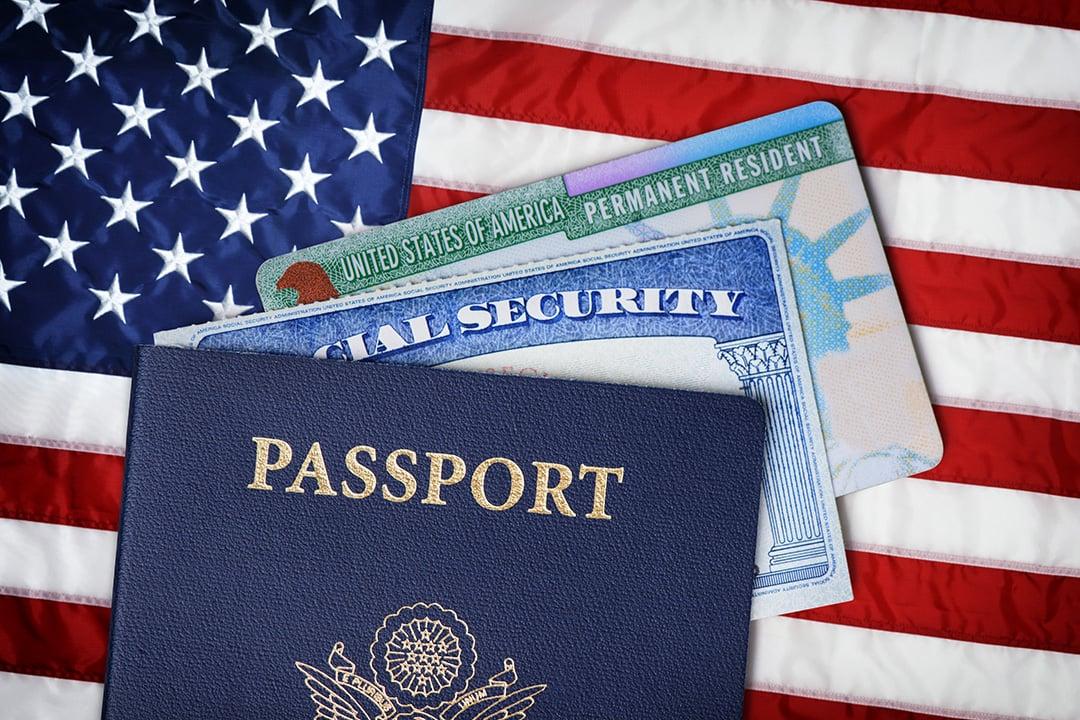
Once a suitable visa category is identified, aspiring immigrants must gather the necessary documentation, which often includes proof of identity, employment, or family connections. Meeting requirements set forth by the U.S. Citizenship and Immigration Services (USCIS) is crucial for a successful application. Below is a simplified table of essential documents often required:
| Document Type | Description |
|---|---|
| Passport | Valid passport for at least six months beyond the intended stay |
| Proof of Employment | Job offer letter or employment contract (for work visas) |
| Marriage Certificate | If applying for a family-sponsored visa based on marriage |
| Financial Documents | Evidence of financial support or stability to cover living expenses |
Understanding Cultural Adjustments for Jamaicans Moving to America
For many Jamaicans, relocating to the United States presents a unique array of cultural adjustments that can be both challenging and enriching. Understanding these differences is crucial for a smoother transition. One major aspect is the communication style; while Jamaicans tend to express themselves with a warm and open demeanor, Americans may often exhibit more reserved and direct communication. Adapting to these nuances can help foster connections and build relationships in the new environment. Other cultural considerations include:
- Social Norms: Recognizing the importance of individualism in American society.
- Workplace Culture: Being prepared for a more competitive work environment, where punctuality and assertiveness are key.
- Festivals and Holidays: Familiarizing oneself with local traditions can help in integrating into the community.
Moreover, navigating the healthcare system or understanding the education foundation can pose additional hurdles. Unlike Jamaica’s predominantly public health services, Americans often rely on private insurance, which necessitates research into coverage options. Similarly, the education system emphasizes a diverse curriculum with a strong focus on extracurricular activities, offering a different approach to learning. Here’s a simple overview of key differences:
| Aspect | Jamaica | United States |
|---|---|---|
| Healthcare | Public services dominate | Dependence on private insurance |
| Work Culture | Hierarchical, with emphasis on relationships | Competitive and performance-driven |
| Education Focus | Structured learning with local customs | Diverse curriculum with strong extracurricular emphasis |
Essential Resources and Support Networks for Jamaican Immigrants in the U.S
For Jamaican immigrants navigating their new life in the United States, leveraging a network of resources can significantly ease transitions and enhance opportunities. Organizations such as the Jamaica National Building Society (JNBS), which has branches in selected U.S. states, offer financial services tailored to the Jamaican community. Additionally, local cultural associations, like the Caribbean American Chamber of Commerce, provide essential business networking platforms and workshops designed to empower individuals seeking to start their own enterprises. Many community centers also host events that celebrate Jamaican culture, fostering connections among immigrants.
An array of support networks exists to assist families with legal issues, healthcare access, and educational resources. The Jamaican Consulate serves as a vital link, offering assistance with immigration documentation and various services unique to Jamaican nationals. Meanwhile, organizations such as Caribbean Alliance facilitate access to legal aid and counseling services. Furthermore, various online forums and social media groups serve as vibrant hubs for sharing experiences, advice, and mutual support among Jamaican immigrants, thereby reinforcing community bonds.
The Way Forward
In conclusion, the journey of immigrating from Jamaica to the United States is one filled with both challenges and opportunities. As documented in this article, individuals can benefit from understanding the various pathways available, from family sponsorship to employment-based visas. Organizations like Boundless Immigration play a crucial role in demystifying the process, offering resources and support to help navigate the complexities of U.S. immigration laws. For many Jamaicans, the dream of a better life in America remains a driving force, fueled by both personal aspirations and the promise of new beginnings. As the U.S. continues to evolve, the stories of immigrants-like those from Jamaica-serve as a testament to the enduring spirit of hope and resilience that defines the nation. As we look forward, it is essential that policymakers remain committed to creating a fair and accessible immigration system that honors the contributions of all who seek to call the United States their home.









