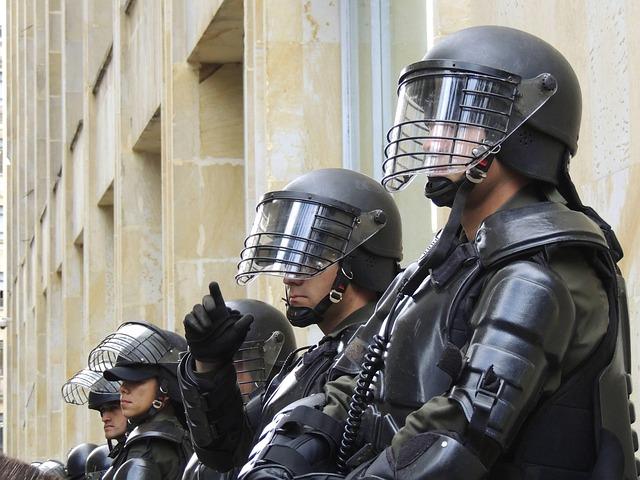
France Deploys Elite Riot Police to Martinique Amid Protests
In a decisive move aimed at restoring order in the Caribbean island of Martinique, French authorities have dispatched elite riot police units to the region, following a surge in civil unrest linked to economic grievances and demands for greater autonomy. The deployment of these specialized forces comes in the wake of escalating protests that have drawn thousands to the streets, challenging both local and national governance. As tensions simmer, the French government is facing mounting pressure to address the underlying issues fueling discontent among Martinique’s residents. This article delves into the context of the unrest, the implications of the police presence, and the broader ramifications for France’s overseas territories.
France Intensifies Security Measures in Martinique Amid Unrest
The French government has ramped up its security presence in Martinique, deploying elite riot police units to confront escalating tensions amidst widespread protests. Demonstrators have taken to the streets, voicing grievances over social inequalities and economic hardships exacerbated by recent global events. This surge in deployment is a bid to restore order as clashes between protesters and police have intensified, leading to a significant rise in tensions across the island. Authorities are not only focusing on immediate crowd control but also on investigating the root causes of unrest, aiming to foster dialogue with local communities.
In a bid to manage the situation effectively, the government has implemented a series of strategic measures, including:
- Increased police presence: A substantial number of officers have been positioned in key hotspots to deter further unrest.
- Community outreach: Initiatives are being launched to engage with local leaders and address public concerns directly.
- Emergency resources: Access to emergency medical services and support for affected areas has been prioritized.
In light of these developments, analysts predict a critical period ahead for the French overseas territories. An examination of recent incidents reveals a concerning trend, as local grievances evolve into broader demands for political reform and social justice. The government’s response will be closely monitored, both in terms of its immediate effectiveness and its long-term impact on the stability of Martinique.
Impact of Elite Riot Police Deployment on Local Communities and Relations
The deployment of elite riot police in Martinique has stirred considerable anxiety within local communities, exacerbating existing tensions between law enforcement and residents. Many locals perceive this influx of highly trained officers as an imposition, undermining their autonomy and heightening feelings of alienation. This perception is particularly acute in areas where historical grievances against the French state linger, leading to concerns about escalating violence and civil unrest. Community leaders have voiced apprehension that an aggressive police presence could escalate rather than alleviate ongoing discontent, thus fostering an atmosphere of distrust and division.
On the other hand, supporters of the deployment argue that the intervention is necessary to restore order and security in light of recent unrest. They contend that an elite police force can effectively manage complex situations where local law enforcement might struggle. However, the challenge remains to bridge the gap between the community and such external enforcement agencies. To mitigate potential fallout, it is essential to foster open dialogues and partnerships that create avenues for community input. Possible measures might include:
- Community forums to discuss concerns and expectations
- Cultural sensitivity training for riot police
- Regular updates from local authorities about police operations
Addressing these issues proactively could not only enhance trust but also pave the way for a more collaborative approach to law enforcement that respects the unique cultural fabric of Martinique.
Strategies for Addressing Underlying Issues Behind Protests in Martinique
To effectively address the persistent issues driving the protests in Martinique, it is crucial to adopt a multi-faceted approach that genuinely seeks to understand the root causes of discontent among the population. Engagement with local communities is paramount, fostering open dialogues that allow citizens to voice their grievances. Initiatives could include:
- Setting up regular town hall meetings to facilitate discussions between local leaders and residents.
- Creating advisory panels comprising local activists, elders, and youth to ensure diverse perspectives are heard.
- Implementing feedback mechanisms to assess the efficacy of government responses and community needs.
In addition to dialogue, addressing economic disparities and social injustices is vital. The following strategies should be prioritized:
- Enhancing access to quality education and vocational training programs aimed at empowering the youth.
- Promoting sustainable economic development through support for local businesses and incentives for green initiatives.
- Collaborating with health and social services to improve living conditions and healthcare accessibility for marginalized communities.
| Strategy | Objective | Expected Outcome |
|---|---|---|
| Community Engagement | Foster open dialogue | Increased trust in authorities |
| Education & Training | Empower youth | Reduced unemployment rates |
| Sustainable Economic Development | Support local businesses | Stronger local economy |
The Way Forward
In conclusion, the deployment of elite riot police to Martinique underscores the French government’s commitment to restoring order amidst ongoing social unrest fueled by economic grievances and calls for greater autonomy. As protests continue to unfold, all eyes will be on the Caribbean island to see how this response influences the dialogue between local authorities and the citizens they serve. The situation remains fluid, with the potential for both escalation and resolution as communities grapple with the intersection of national policies and local aspirations. As developments continue to emerge, News Americas Now will keep readers informed on this critical situation impacting both Martinique and broader regional dynamics.