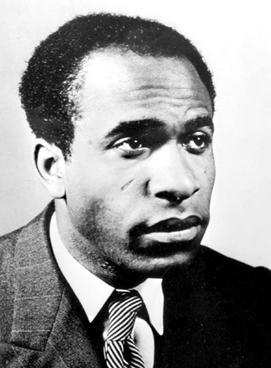
Frantz Fanon is Having a Moment: Analyzing His Resurgence in Contemporary Discourse
In recent years, the ideas of Frantz Fanon, the influential Martinican psychiatrist and revolutionary thinker, have seen a remarkable resurgence in popular discourse across the United States. Once primarily relegated to the annals of post-colonial studies, Fanon’s works-particularly his seminal texts, “Black Skin, White Masks” and “The Wretched of the Earth”-are now being revisited as critical frameworks for understanding the complexities of identity, race, and colonialism in today’s society. Amidst ongoing social justice movements and renewed calls for racial equity, scholars, activists, and everyday citizens alike are turning to Fanon’s incisive analyses to make sense of systemic oppression and decolonization efforts. This article explores the factors behind Fanon’s revival and examines how his revolutionary insights are resonating with a new generation navigating the tumultuous political landscape of the 21st century.
Frantz Fanon’s Enduring Relevance in Contemporary Social Movements
Frantz Fanon’s insights into the interplay of race, identity, and colonialism resonate strongly within today’s social movements, particularly in the United States. His work offers a lens through which activists understand the ongoing struggles against systemic oppression and racial inequities. Grassroots organizations are increasingly drawing from Fanon’s perspectives to articulate their demands, focusing on the need for transformative justice and decolonization of both mind and society. The resurgence of calls for more profound systemic change encourages a reevaluation of power dynamics, ideally shifting towards a more inclusive dialogue that acknowledges historical injustices.
Some key themes from Fanon’s writings that are notably influential today include:
- Decolonization: Understanding the need to dismantle entrenched power structures.
- Identity Formation: Acknowledging the complexities of identity in a multicultural society.
- Violence: Examining the psychological and social ramifications of systemic violence.
As various movements champion issues ranging from racial equality to climate justice, they incorporate Fanon’s assertions into their narratives, emphasizing action that not only seeks change but also aims to redefine societal norms. The idea that liberation must come from the oppressed themselves continues to inspire new generations of activists, making Fanon’s philosophy not merely relevant but essential in the quest for meaningful social advocacy.
Exploring Fanon’s Insights on Racial Identity and Liberation in Modern America
Frantz Fanon’s profound explorations of racial identity and liberation continue to resonate in contemporary America. His works highlight the psychological and cultural implications of colonization, framing the struggle for liberation as not merely a political endeavor but a deeply personal journey. As various movements today advocate for social justice and racial equality, Fanon’s insights emerge as critical references for understanding the complexities of identity formation within marginalized communities. Activists increasingly draw on his concepts of decolonization, the black psyche, and the dialectic of oppression to articulate their experiences and aspirations in a society grappling with its own historical legacies of inequality.
Recent discussions surrounding race often echo Fanon’s assertion that identity is shaped through conflict and resistance. In this context, the relevance of his theories can be seen in the rise of grassroots movements that seek to reclaim narratives and agency. Initiatives that emphasize community empowerment, cultural pride, and awareness of systemic injustices resonate with Fanon’s call for a reclamation of self. As we analyze the intersection of identity and liberation, Fanon’s work serves as a reminder of the ongoing necessity for both individual introspection and collective action.
Recommendations for Engaging with Fanon’s Work in Activism and Academia
Engaging with Frantz Fanon’s work requires a nuanced approach that recognizes the time-tested relevance of his insights on colonialism and identity. Activists and scholars should delve into Fanon’s critiques of violence and psychological colonization to inform contemporary struggles against systemic injustices. To facilitate discussions in both classrooms and community settings, consider incorporating multimedia presentations that juxtapose Fanon’s writings with modern-day movements, encouraging participants to draw parallels between the past and present. Workshops aimed at unpacking key concepts such as decolonization, racial identity, and cultural liberation can foster deeper understanding and inspire activism rooted in theoretical frameworks.
In academia, it is essential to create platforms for interdisciplinary dialogue, merging insights from Fanon with fields such as psychology, sociology, and political science. Collaborative research projects can be established to explore Fanon’s influence on global liberation movements, highlighting his impact beyond Western contexts. Institutions should also prioritize diverse course offerings that include Fanon’s critiques, allowing students to engage critically with his ideas. To illustrate the growing relevance of Fanon in contemporary discourse, a table could encapsulate various movements that draw from his ideologies:
| Movement | Core Idea Inspired by Fanon |
|---|---|
| Black Lives Matter | Rejection of systemic racism |
| Decolonial Feminism | Critique of patriarchy and colonialism |
| Global Indigenous Rights | Restorative justice for colonized peoples |
In Summary
As the discourse surrounding race, identity, and colonialism gains renewed vigor in contemporary America, Frantz Fanon’s insights are increasingly resonating with a new generation of thinkers and activists. His exploration of the psychological impacts of oppression and the struggle for liberation continues to offer a powerful framework for understanding the complexities of modern social justice movements. As America grapples with its history and seeks paths toward equity and healing, Fanon’s work stands as a vital touchstone. With his influence permeating discussions from academia to grassroots activism, it’s clear that Fanon is not just a figure of the past, but a relevant voice for the future. As we reflect on the implications of his ideas, one thing is certain: Frantz Fanon’s legacy is far from over.