
Indigenous Names of the Caribbean Islands: Reclaiming the Past – Caribbean & Co.
In a region renowned for its vibrant culture, breathtaking landscapes, and a rich tapestry of history, the Caribbean islands owe much of their heritage to the original inhabitants who named these lands long before European colonization. As awareness of Indigenous histories and rights continues to gain momentum, efforts to reclaim and revive the original names of these islands have emerged as a vital part of cultural preservation. This movement not only honors the memory of the Indigenous people who first called these islands home, but also seeks to educate the broader public about their profound connection to the land. In this article, we delve into the significance of Indigenous names, explore the stories behind them, and highlight the ongoing efforts across the Caribbean to restore these identity-rich names to their rightful place on contemporary maps. Join us as we navigate through the layers of history, cultural identity, and the burgeoning movement dedicated to recognizing the true legacy of the Caribbean islands.
Exploring the Rich History Behind Indigenous Names of the Caribbean Islands
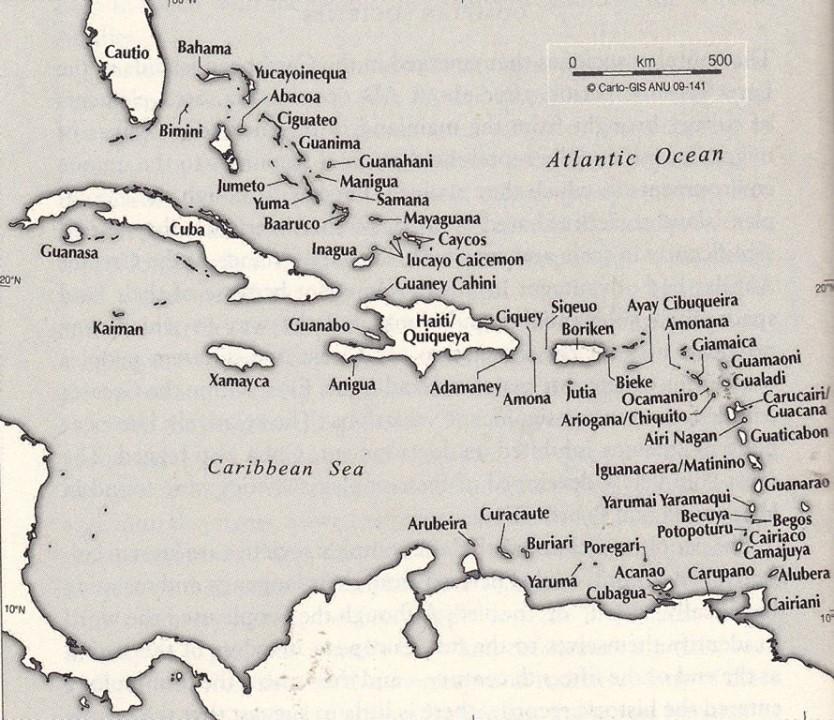
The Caribbean islands, renowned for their stunning landscapes and vibrant cultures, carry the weight of a rich history, often obscured by colonial narratives. Indigenous names, many still in use today, offer a window into the stories and lives of the first peoples who inhabited these lands. These names are more than mere labels; they embody the cultural heritage, beliefs, and connection to the land that Indigenous tribes, such as the Arawaks, Tainos, and Caribs, have cultivated over centuries. By examining these names, we can uncover layers of meaning that reflect the islands’ environmental features, wildlife, and the spiritual significance of certain natural elements.
To further appreciate this linguistic treasure, it is essential to acknowledge some notable Indigenous names and their meanings. Here are a few examples that highlight the diversity of origins across the archipelago:
| Island | Indigenous Name | Meaning |
|---|---|---|
| Jamaica | Xamayca | “Land of Wood and Water” |
| Puerto Rico | Borinquen | “Land of the Valiant Lord” |
| Hispaniola | Ayiti | “Mountainous Land” |
| Dominica | Waitukubuli | “Tall is her body” |
Reclaiming these Indigenous names not only honors the rich heritage of the original inhabitants but also serves as a reminder of the resilience and enduring spirit of their culture. By learning and using these names, we can promote a deeper understanding of the Caribbean’s history, advocate for Indigenous rights, and foster a sense of respect for the land that has nourished generations of people. As the vibrant cultures of the islands continue to thrive, integrating Indigenous linguistic elements into contemporary life encourages a collective acknowledgment of the past while envisioning a more inclusive future.
Understanding the Cultural Significance and Contemporary Relevance
The indigenous names of the Caribbean islands offer a window into the rich tapestry of cultures that once thrived long before the arrival of European colonizers. These names, rooted in the languages of the Arawak, Taino, and Carib peoples, are not mere labels; they are significant markers of identity, history, and connection to the land. As Caribbean nations work to reclaim their heritage, the revival of indigenous nomenclature serves as a powerful statement of resilience and cultural pride. This reclamation is not only about names; it’s about acknowledging the historical injustices faced by indigenous communities and recognizing their vital contributions to Caribbean identity.
In the modern context, understanding these names fosters a deeper appreciation for the cultural landscape of the Caribbean. Contemporary movements seeking to revive indigenous languages and traditions are critically important in the face of globalization and cultural homogenization. By incorporating these names into everyday discourse-be it through education, tourism, or local governance-there is a collective shift towards honoring this rich historical legacy. Some key points to consider include:
- Cultural Heritage: Indigenous names can enhance cultural tourism, providing visitors with a more authentic understanding of the islands.
- Education: Integrating indigenous names into school curricula enriches students’ understanding of their history and fosters cultural pride.
- Community Empowerment: Reclaiming names catalyzes community initiatives, encouraging collective ownership of local narratives.
Strategies for Reviving Indigenous Heritage Through Place Naming
The revival of Indigenous heritage through place naming is a vital cultural renaissance that can re-establish connections between communities and their ancestral lands. Recognizing and integrating Indigenous names into modern maps and signage honors the history and significance of these places while fostering a sense of identity and pride among indigenous populations. This movement seeks to replace colonial-era names with those that reflect the historic ties Indigenous peoples have with the land. Some effective strategies for implementing this initiative include:
- Community Engagement: Involving local Indigenous communities in discussions about place names to ensure authenticity and respect for their language and traditions.
- Educational Programs: Launching initiatives in schools and community centers that teach the history and significance of Indigenous place names.
- Collaborative Mapping Projects: Partnering with Indigenous leaders to create maps that highlight traditional names alongside modern ones.
- Government Policy Advocacy: Collaborating with policymakers to adopt measures that encourage the use of Indigenous names in official documents and public spaces.
This revitalization not only enhances the cultural landscape of the Caribbean Islands but also serves as a powerful statement against historical erasure. A table representing key place names and their Indigenous meanings can help preserve this precious knowledge:
| Island | Indigenous Name | Meaning |
|---|---|---|
| Puerto Rico | Borikén | The Land of the Brave Lord |
| Dominica | Waitukubuli | Tall is her body |
| Jamaica | Xamayca | Land of Wood and Water |
| Cuba | Coabana | Where the Land is Fertile |
In Conclusion
In conclusion, the exploration of Indigenous names across the Caribbean islands serves as a powerful reminder of the rich tapestry of cultural history that predates European colonization. As communities begin to reclaim these names and the stories behind them, a deeper sense of identity and heritage is being forged. This movement not only honors the ancestors who inhabited these lands long before, but it also empowers the next generation to connect with their roots in meaningful ways. As the Caribbean continues to navigate the complexities of its diverse identity, acknowledging and celebrating these Indigenous names is a critical step toward recognizing the resilience and contributions of the original inhabitants of the region. By fostering this appreciation, we take an essential leap toward healing, reconciliation, and a more inclusive future for all Caribbean people.











