Title: Tracking the Journey of a Massive Dust Cloud from Africa to America: Insights from Copernicus
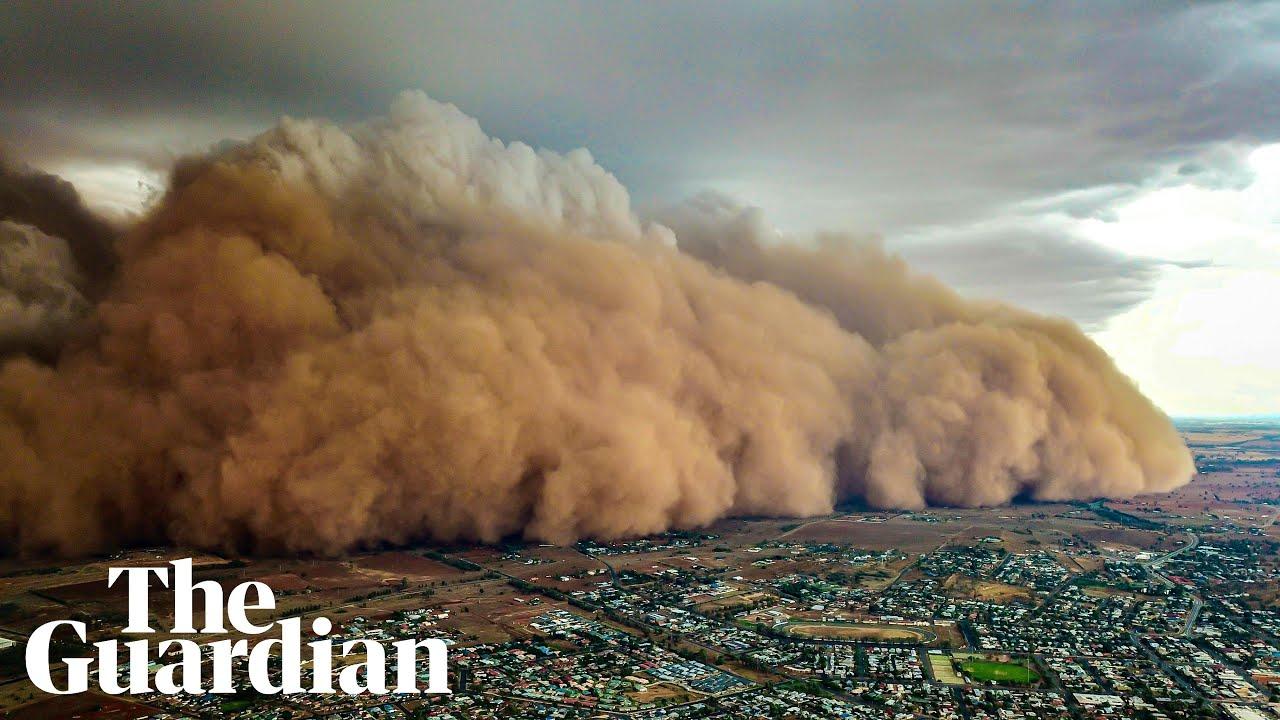
In a remarkable illustration of our planet’s interconnectedness, scientists are closely monitoring a significant dust cloud that has journeyed from the Sahara Desert in Africa across the Atlantic Ocean to the Americas. This phenomenon, captured through advanced satellite technology and the Copernicus Earth observation program, highlights the dynamic relationships between climate, geography, and air quality. As this vast plume of dust makes its way over thousands of miles, researchers aim to understand its potential impacts on weather patterns, ecosystems, and even human health. This article delves into the intricacies of this dust cloud’s journey, the technological advancements used in its tracking, and what this means for regions it touches as it crosses international borders.
Tracking the Journey of Saharan Dust: Insights from the Copernicus Programme
The Copernicus Programme has been instrumental in tracking the movement of a significant dust cloud that originates in the Sahara Desert and travels across the Atlantic Ocean to the Americas. This natural phenomenon, often referred to as the Saharan Air Layer, plays a crucial role in weather patterns, air quality, and even ecosystem health across various regions. Using state-of-the-art satellite imagery and advanced atmospheric modeling, scientists can now pinpoint the dust’s trajectory with remarkable precision. Key findings from the data include:
- Impact on Climate: The dust cloud influences rainfall patterns in the Caribbean and parts of the Americas.
- Air Quality Concerns: Increased levels of dust can affect respiratory health and environmental conditions.
- Soil Nutrients: Dust from the Sahara is rich in minerals that benefit ecosystems, particularly in the Amazon rainforest.
Recent analyses highlight the importance of this tracking capability, which allows for timely warnings and better preparation for dust-related impacts. Through collaboration among meteorologists, environmental scientists, and policymakers, the Copernicus Programme ensures that vital information is disseminated effectively. The program’s operational framework includes:
| Event | Date | Impact |
|---|---|---|
| Dust Cloud Formation | June 1-5, 2023 | Visibility reduction across the Atlantic |
| Dust Landfall in the Caribbean | June 10, 2023 | Air quality alerts issued |
| Effects on Agriculture | June 15, 2023 | Beneficial nutrient deposition in soil |
Impacts on Air Quality and Health: What the Dust Cloud Means for Communities
The recent advancement of a massive dust cloud sweeping from the Sahara Desert to the Americas, tracked by the Copernicus satellite program, raises significant concerns regarding air quality and public health. This phenomenon can result in the release of fine particulate matter and toxic pollutants that may exacerbate respiratory conditions and heart diseases among vulnerable populations. Communities in the southern U.S. are particularly at risk, as they may experience heightened levels of asthma attacks, allergic reactions, and other health complications related to deteriorated air quality.
Key impacts of the dust cloud include:
- Air Quality Decline: Increased particulate matter can lead to poor air quality, prompting advisories for sensitive groups.
- Health Risks: Individuals with pre-existing health conditions, the elderly, and children are more susceptible to the effects.
- Environmental Effects: Ecosystems may also suffer due to changes in soil composition and decreased air quality.
To illustrate the potential health impacts, consider the following comparison:
| Health Condition | Normal Conditions | During Dust Cloud |
|---|---|---|
| Asthma Attacks | Moderate | Increased |
| Respiratory Infections | Stable | Higher Risk |
| Allergic Reactions | Low | Elevated |
As this dust cloud traverses the Atlantic, it creates a critical need for public awareness and health preparedness, emphasizing the importance of monitoring air quality and encouraging protective measures for those most affected.
Future Monitoring Strategies: Recommendations for Mitigating Dust-Related Risks
To effectively manage the risks associated with dust dispersion, a comprehensive monitoring strategy is essential. Utilizing advanced satellite technology, like the Copernicus system, can provide real-time data on dust movements across the Atlantic. This facilitates timely warnings for affected regions in the Americas. To enhance this initiative, the following recommendations should be considered:
- Enhance Satellite Imaging: Increase the resolution and frequency of satellite images to capture smaller dust particles and predict their trajectory more accurately.
- Establish Early Warning Systems: Develop localized alerts for communities that are likely to be impacted, thereby minimizing health risks and enhancing public readiness.
- Promote Collaborative Research: Foster partnerships between meteorological agencies and academic institutions to improve dust modeling techniques and response strategies.
- Integrate Data Sources: Combine satellite data with ground-based measurements to provide a holistic view of air quality changes.
Furthermore, public awareness campaigns can play a crucial role in mitigating health impacts. Educating communities about the precautions to take during dust events, such as staying indoors and using air filtration systems, can save lives and protect vulnerable populations. A structured approach might include:
| Strategy | Description |
|---|---|
| Community Workshops | Conduct informative sessions on health risks associated with dust storms. |
| Online Resources | Create a dedicated platform for real-time dust information and protective measures. |
| Partnerships with Schools | Involve local schools in awareness programs to educate children and their families. |
The Way Forward
In conclusion, the unprecedented tracking of the massive dust cloud originating from Africa to the Americas highlights the remarkable capabilities of the Copernicus Earth Observation Program. As scientists and environmentalists closely monitor this natural phenomenon, it serves as a stark reminder of the interconnectedness of our planet’s ecosystems and the complex dynamics at play. The journey of this vast plume not only underscores the importance of advanced satellite technology in understanding global environmental patterns, but also invites further investigation into the impacts of such events on air quality, climate, and human health. As we continue to unravel the implications of this dust cloud’s passage, it reinforces the need for international collaboration in addressing the challenges posed by environmental phenomena that transcend borders. The findings will undoubtedly contribute to a richer understanding of our atmosphere and may inform future strategies for managing air quality and protecting public health across continents. Stay tuned as we keep you updated on emerging research and the ongoing developments related to this significant environmental event.