
Pregnancy Outcomes after ZIKV Infection in French Territories in the Americas: A Closer Look at Researchers’ Findings
In the wake of the global Zika virus outbreak, researchers are turning their attention to the critical consequences of ZIKV infection during pregnancy. A newly published study in the New England Journal of Medicine (NEJM) delves into pregnancy outcomes following Zika infections in French Territories in the Americas, where the virus has had a profound impact on maternal and fetal health. As health officials grapple with the lingering effects of Zika and the implications for public health policy, this illuminating research sheds light on the complexities surrounding the virus, offering crucial insights that could shape future preventative measures and interventions. This article will explore the key findings and their significance within the broader context of public health responses in the face of infectious disease outbreaks.
Impact of Zika Virus Infection on Pregnancy Outcomes in the French Caribbean
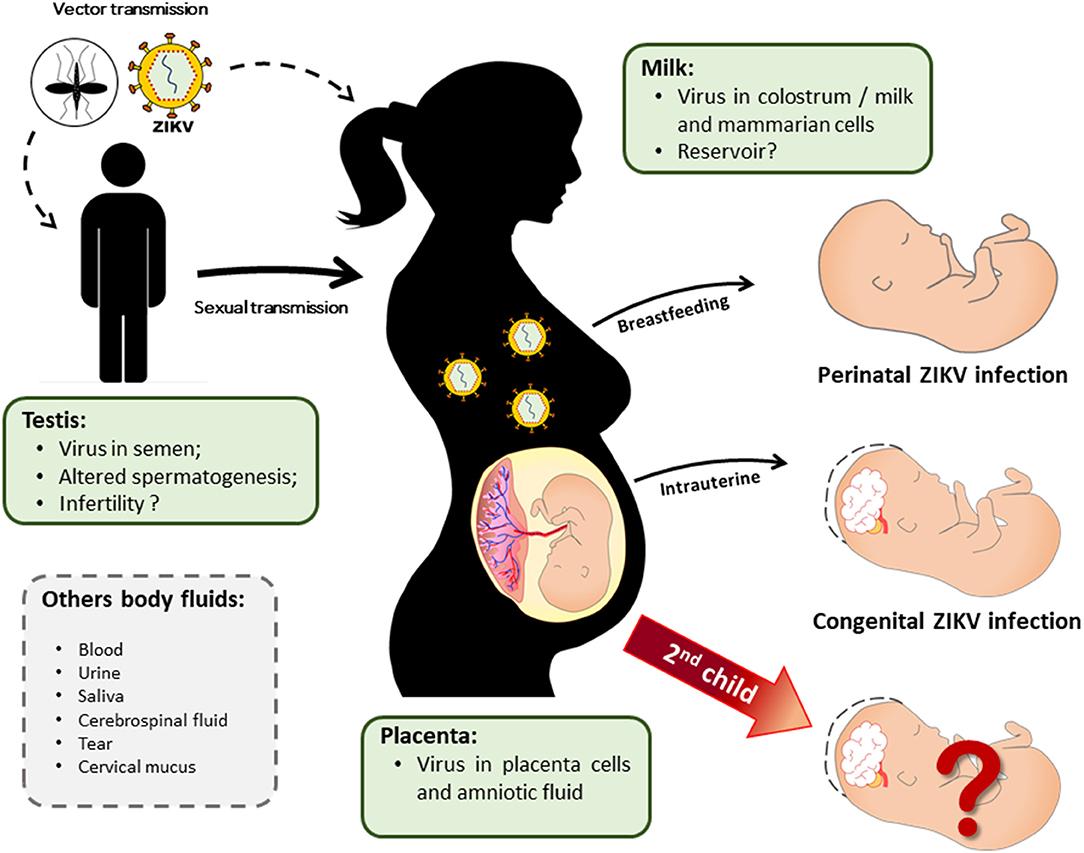
The Zika virus, primarily transmitted by Aedes mosquitoes, has raised alarm regarding its effects on pregnancy outcomes. In the French Caribbean territories, data indicates a worrying correlation between Zika infection during pregnancy and adverse fetal outcomes. Maternal infection has been linked with a range of complications, including microcephaly, neurological disorders, and other significant developmental issues in newborns. Reports suggest that the prevalence of these outcomes dramatically increases when Zika virus infection occurs during the first trimester of pregnancy, highlighting the importance of early maternal screening and monitoring.
Recent studies emphasize the necessity for robust public health measures aimed at mitigating Zika transmission in these areas. Among the strategies discussed are increased access to vector control, community awareness programs, and enhanced prenatal care services. The need for ongoing research into the long-term effects of Zika on child development is also critical, as preliminary findings suggest potential delays in cognitive and motor skills. The following table summarizes key pregnancy outcomes associated with maternal Zika infections:
| Outcome | Description | Impact on Newborns |
|---|---|---|
| Microcephaly | Abnormal head size due to brain development issues | Increased risk of developmental delays |
| Neurological Disorders | Conditions affecting the nervous system | Potential lifelong challenges in motor skills and cognition |
| Preterm Birth | Delivery before 37 weeks of pregnancy | Higher risk of health complications |
Emerging Findings on Congenital Disorders Linked to ZIKV in Expecting Mothers
The latest research has unveiled significant correlations between Zika virus (ZIKV) infection during pregnancy and a spectrum of congenital disorders. Affected newborns have exhibited a range of complications, underscoring the urgent need for heightened surveillance among expectant mothers. Emerging evidence suggests that infants born to mothers infected with ZIKV might experience:
- Microcephaly: A reduction in head size, potentially leading to developmental delays.
- Neurological Disorders: Issues such as seizures and cognitive impairments may manifest.
- Ocular Abnormalities: Problems including retinopathy and congenital cataracts have been documented.
- Growth Restrictions: Intrauterine growth restriction can affect overall birth weight and future health.
In light of these findings, researchers emphasize the importance of early detection and intervention. Studies conducted in French territories illustrate that maternal health conditions, socio-economic factors, and access to prenatal care significantly influence pregnancy outcomes following ZIKV exposure. For clarity, the table below summarizes key data observed in recent cases:
| Condition | Percentage of Cases |
|---|---|
| Microcephaly | 20% |
| Neurological Issues | 15% |
| Ocular Defects | 10% |
| Growth Restrictions | 25% |
Recommendations for Surveillance and Care in Affected Regions of the Americas
The implications of ZIKV infection during pregnancy call for enhanced surveillance and medical responses in affected regions across the Americas. Key recommendations include establishing robust monitoring systems that can swiftly identify and report cases of Zika virus exposure among pregnant women. This should involve:
- Regular screening for ZIKV and associated complications in prenatal care settings.
- Education and awareness campaigns targeted at healthcare providers and pregnant women regarding the risks of ZIKV and prevention strategies.
- Data collection on pregnancy outcomes, including congenital anomalies, to inform policy and intervention strategies.
In addition to surveillance, comprehensive care protocols must be established to support affected families. Healthcare facilities should implement standardized care pathways for managing ZIKV-infected pregnant women, encompassing:
- Counseling services to discuss potential risks and psychological support.
- Multidisciplinary teams involving obstetricians, pediatricians, and public health officials for integrated patient care.
- Long-term follow-up for children born to mothers infected with ZIKV to monitor developmental outcomes.
| Recommendation | Description |
|---|---|
| Monitoring Systems | Implement real-time case reporting for ZIKV in pregnancy. |
| Educational Campaigns | Raise awareness on ZIKV risks and preventive measures. |
| Care Protocols | Establish multidisciplinary management of affected pregnancies. |
Wrapping Up
In conclusion, the findings from the recent NEJM study on pregnancy outcomes following Zika virus infection in French Territories in the Americas underscore a crucial public health challenge. As the researchers highlight, the implications of ZIKV infection extend far beyond the immediate symptomatic effects, posing significant risks to maternal and fetal health. The nuanced understanding of these outcomes emphasizes the need for vigilant monitoring, effective prevention strategies, and comprehensive healthcare support for affected populations. As health authorities and researchers continue to unravel the complexities of Zika, the commitment to safeguarding maternal and child health in regions susceptible to this virus remains more vital than ever. With ongoing research and targeted public health initiatives, there is hope for mitigating the impacts of Zika and enhancing the well-being of future generations.









