
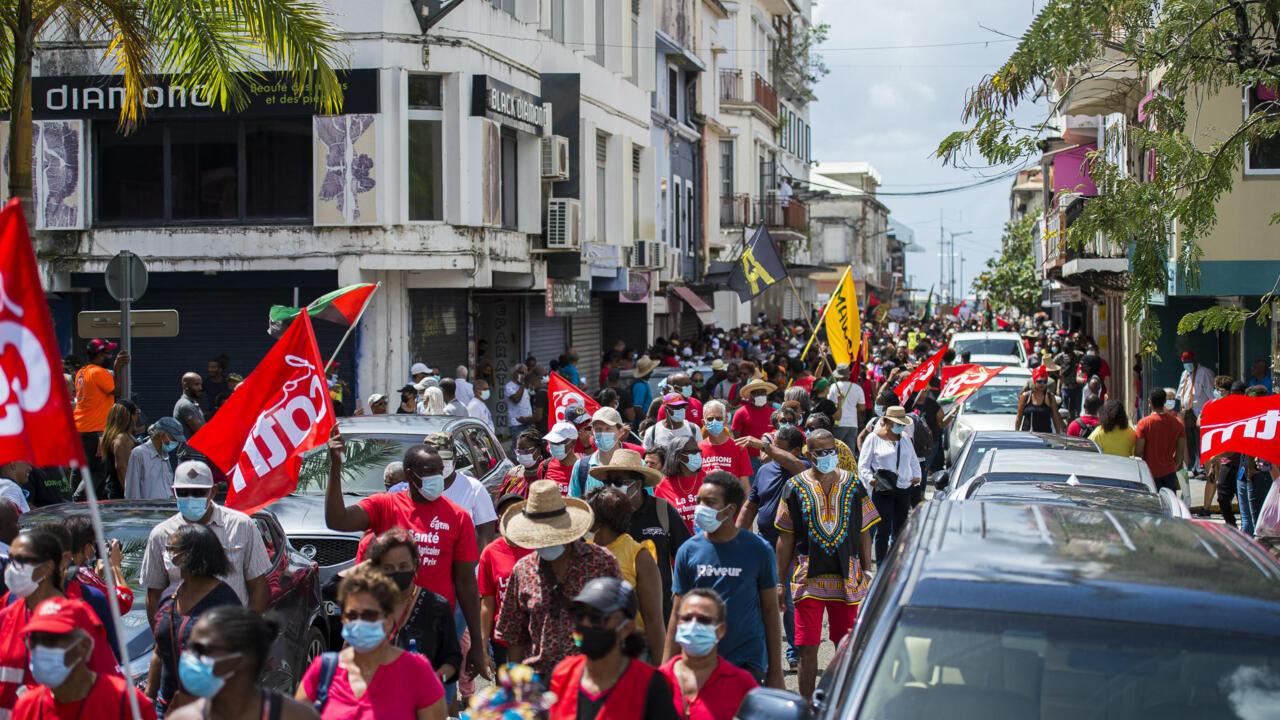
In a dramatic escalation of tensions in Martinique, protesters clashed violently with police and media personnel in a series of confrontations that left several injured and raised alarms about public safety and civil unrest. The situation erupted amidst widespread demonstrations fueled by grievances over social and economic inequalities, compounded by the ongoing impact of the COVID-19 pandemic. According to reports from The New York Times, instances of gunfire directed at law enforcement and journalists have underscored the rising volatility of the protests, drawing national and international scrutiny. As the Caribbean island grapples with its historical struggles for autonomy and justice, the unfolding crisis highlights the deep-seated frustrations of its residents, prompting urgent calls for dialogue and resolution.
Escalating Tensions: Understanding the Conflict Between Martinique Protesters and Law Enforcement
The conflict on the Caribbean island of Martinique has reached alarming levels as protests against government policies have turned violent, resulting in clashes between local protesters and law enforcement agencies. The underlying causes of these tensions stem from a myriad of socio-political issues, including economic disparities, calls for political representation, and discontent over labor conditions. In recent months, large crowds have taken to the streets demanding change, but their frustrations boiled over when some protesters resorted to firing at police officers and journalists, marking a significant escalation in hostilities. Events have been further complicated by the perception of heavy-handed police tactics, which protesters argue exacerbate rather than alleviate the tensions in the region.
In the wake of these incidents, authorities have implemented stricter measures to maintain order, causing a divide among citizens regarding the appropriate responses to civil unrest. While some locals express support for the protesters’ cause, others worry that the violence undermines their message and could lead to further issues within the community. A potential avenue for resolving the conflict may lie in dialogue and community engagement, where both sides can address grievances and seek common ground. The situation remains fluid, with stakeholders on all sides closely monitoring developments and public sentiment, as the island grapples with its identity and future amidst escalating turmoil.
| Factors Contributing to Tensions | Reactions from Different Sides |
|---|---|
| Economic Disparities | Increased Police Presence |
| Political Representation Issues | Public Support for Protests |
| Labor Conditions | Calls for Dialogue |
Media Under Fire: The Risks Faced by Journalists Covering Civil Unrest in Martinique
In the midst of escalating tensions during civil unrest in Martinique, journalists have found themselves on the front lines, facing unprecedented risks while trying to bring important stories to light. Keywords such as ‘protest’, ‘violence’, and ‘freedom of the press’ have become central phrases as the situation intensifies. The confrontation between protesters and law enforcement has led to numerous instances where journalists have been caught in the crossfire, highlighting the critical need for protective measures. According to local reports, incidents have emerged where crews were targeted not just for their role as observers, but also for the narratives they were documenting.
As the climate of unrest continues to unfold, it’s essential to examine the specific dangers journalists face during such volatile times. Among the significant risks are:
- Physical Assault: Journalists are increasingly becoming targets of both protesters and police.
- Equipment Damage: Cameras and broadcasting tools are at risk when engaging in riotous environments.
- Access Restrictions: Law enforcement may impose area lockdowns, hindering reporters from gathering information.
- Psychological Trauma: The emotional impact of covering violent events can affect journalists long after reporting ends.
Path to Resolution: Exploring Potential Solutions to Restore Order and Address Grievances in Martinique
In light of the escalating tensions in Martinique, a multi-faceted approach is needed to address the underlying grievances that have led to violent protests. Engaging in open dialogue between government officials, community leaders, and the demonstrators is essential for fostering trust and understanding. This could include:
- Establishing a Task Force: A dedicated group consisting of representatives from various factions may facilitate ongoing discussions to evaluate demands and grievances.
- Public Forums: Organizing town hall meetings can provide a space for residents to voice their concerns and expectations.
- Economic Support Packages: Introducing measures to bolster local economies could alleviate financial pressures that fuel discontent.
Additionally, ensuring comprehensive reforms in community policing and law enforcement practices must be prioritized to rebuild public confidence. Clear protocols that emphasize de-escalation techniques during protests and community engagement initiatives can help reduce confrontations. Potential solutions may also encompass:
- Training Programs: Balancing police training with conflict resolution and cultural sensitivity awareness.
- Accountability Mechanisms: Implementing transparency measures to hold police accountable for actions taken during protests.
- Health Initiatives: Investing in social programs focusing on mental health and support for the affected communities.
| Solution | Benefit |
|---|---|
| Open Dialogue | Builds trust between citizens and officials |
| Community Policing Reforms | Enhances safety and reduces tensions |
| Economic Development | Addresses root causes of protests |
In Conclusion
In conclusion, the violent clashes between protesters in Martinique and law enforcement highlight the deep-seated tensions surrounding social and political issues on the island. The shooting incidents involving police officers and journalists underscore the escalating unrest, as demonstrators express their frustration over economic hardships and calls for greater autonomy. As the situation continues to unfold, authorities face the challenge of addressing the legitimate grievances of the population while ensuring the safety of all individuals involved. The world watches closely as Martinique navigates this turbulent moment in its history, seeking a path toward resolution and dialogue amidst a backdrop of heightened conflict.











