
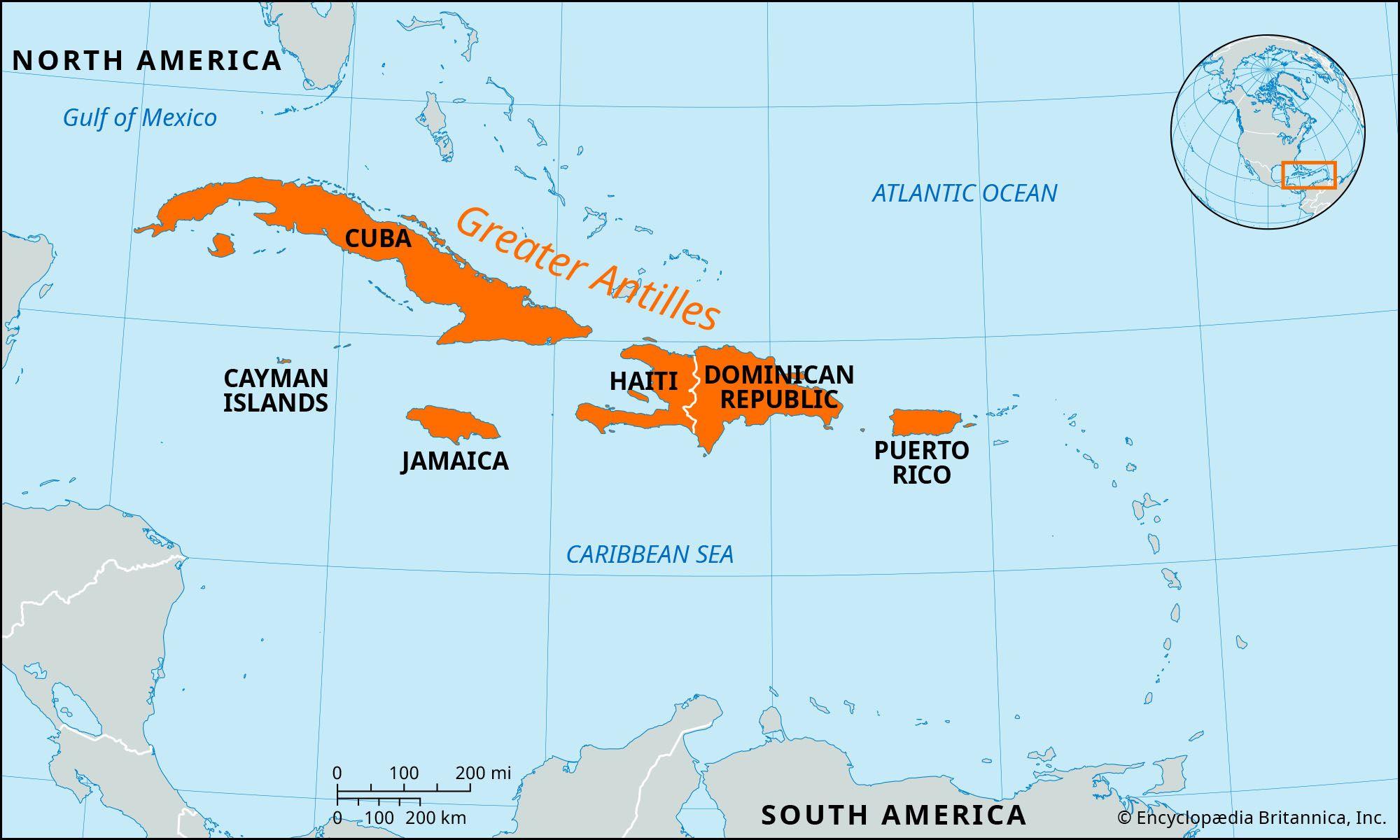
In the Caribbean, two distinct archipelagos define the region’s geography, culture, and tourism appeal: the Greater Antilles and the Lesser Antilles. While both clusters of islands are integral to the Caribbean’s identity, they possess unique characteristics that differentiate them. The Greater Antilles, comprising major islands such as Cuba, Jamaica, Hispaniola, and Puerto Rico, feature larger landmasses and more developed infrastructures. In contrast, the Lesser Antilles is a chain of smaller islands, known for their stunning natural beauty and vibrant local cultures. This article explores the key differences between these two island groups, providing insights into their geographical, historical, and cultural significance, as well as their roles in the broader Caribbean context. As travelers increasingly seek to understand the nuances of this tropical paradise, delving into the distinctions between the Greater and Lesser Antilles offers a deeper appreciation of the region’s diverse tapestry.
Understanding the Geographic and Cultural Distinctions of the Greater Antilles and Lesser Antilles
The Greater Antilles, comprising the larger islands of Cuba, Jamaica, Hispaniola (home to Haiti and the Dominican Republic), and Puerto Rico, showcase a diverse geographic landscape characterized by their mountainous terrains, extensive coastlines, and rich ecosystems. These islands experience a range of climates, from the tropical climate of Cuba’s plains to the cooler highlands of Jamaica’s Blue Mountains. The cultural tapestry of the Greater Antilles is equally rich, shaped by a melange of indigenous Taino, European (primarily Spanish and French), and African influences. The result is a vibrant blend of music, cuisine, and traditions, whether it be the lively rhythms of reggae in Jamaica, the unique creole culture of Haiti, or the historical legacies visible in the architecture of old San Juan.
In contrast, the Lesser Antilles consists of a chain of smaller islands, including the Windward and Leeward Islands, stretching from the Virgin Islands down to Trinidad and Tobago. This region is marked by its volcanic origins, creating dramatic landscapes and unique habitats that support diverse flora and fauna. Culturally, the Lesser Antilles exhibit a tapestry shaped by British, French, and Dutch colonial historical threads, as well as the Indigenous Arawak and Carib peoples. Distinctive elements such as the traditional celebrations of carnival, varying dialects, and culinary practices, like the use of local spices and seafood, add to the cultural richness of these islands. Differences in governance-some being British or French territories-also influence local customs and practices across the Lesser Antilles.
Exploring the Economic Impact and Tourism Potential in the Caribbean Island Chains
The Caribbean island chains, encompassing the Greater Antilles and the Lesser Antilles, showcase a rich tapestry of economic opportunities and tourism potential that is vital for local economies. The Greater Antilles, which include large islands like Cuba, Jamaica, Hispaniola, and Puerto Rico, tend to have more developed infrastructures that attract significant foreign investment, particularly in sectors such as tourism, agriculture, and manufacturing. This has led to a robust tourism industry that thrives on natural beauty, historical heritage, and vibrant cultures, with destinations in this region often ranked among the world’s top vacation spots. In contrast, the Lesser Antilles, while offering stunning landscapes and diverse marine ecosystems, grapple with challenges like smaller land areas and less economic diversification, yet they possess unique advantages for niche tourism markets such as eco-tourism and adventure tourism.
Economic activities in these island chains are interwoven with their cultural and environmental contexts. The Greater Antilles benefit from a mix of natural resources, including fertile land and mineral deposits, contributing to their agricultural exports and industrial growth. Meanwhile, the Lesser Antilles, characterized by their smaller size and varying topographies, face a different set of economic dynamics. Notably, these islands often rely heavily on tourism as a key driver of their economies. A snapshot of their economic contributions reveals:
| Region | Key Economic Contributions | Main Tourism Attractions |
|---|---|---|
| Greater Antilles |
|
|
| Lesser Antilles |
|
|
In conclusion, while both island chains provide immense tourism potential, the Greater Antilles stand out with larger-scale economic prospects, whereas the Lesser Antilles offer a more intimate travel experience that emphasizes sustainability and local charm. Understanding these differences is key for stakeholders aiming to optimize economic growth and enhance Tourism strategies across the Caribbean. As the region continues to recover and develop, balancing economic growth with environmental sustainability will be essential. Stakeholders, including governments, local businesses, and tourism operators, must collaborate to create innovative solutions that cater to both the demands of tourists and the preservation of the islands’ unique ecosystems and cultural heritages.
Investments in infrastructure improvements, such as better transportation links and communication networks, will be crucial in enhancing connectivity within and between the islands. Moreover, fostering marketing initiatives that promote the distinct offerings of each island-whether the rich cultural tapestry of the Greater Antilles or the eco-friendly adventures available in the Lesser Antilles-can help to diversify the tourism experience and attract a wider range of visitors.
Furthermore, embracing community-led tourism models, where local residents are actively involved in tourism activities, will likely enhance visitor experiences while providing direct economic benefits to those communities. This holistic approach can create a more resilient tourism sector that supports local economies and protects the environment, ensuring the long-term viability of these treasured islands.
By recognizing the unique attributes and challenges of both the Greater and Lesser Antilles, stakeholders can develop tailored strategies that leverage each region’s strengths, fostering sustainable economic growth and enriching the tourist experience in the Caribbean.
Strategies for Sustainable Development in the Greater and Lesser Antilles Regions
The journey towards sustainable development in the Greater and Lesser Antilles regions calls for a multifaceted approach that balances ecological preservation, economic growth, and social equity. To achieve this, local governments, non-governmental organizations, and community activists must collaborate on strategies that are context-specific and culturally sensitive. Renewable energy initiatives, such as solar and wind farms, play a crucial role in reducing dependence on imported fossil fuels. Furthermore, encouraging sustainable tourism can provide economic benefits while ensuring that natural resources are conserved. By promoting environmental education and community engagement, stakeholders can cultivate a sense of ownership and responsibility among residents, which is vital for the success of these initiatives.
Moreover, implementing policies that protect marine ecosystems is essential for the coastal communities of both regions, as they rely heavily on fishing and tourism. Strategies like establishing marine protected areas (MPAs) can help to revitalize fish populations and preserve biodiversity. Additionally, investing in agricultural sustainability will enable local farmers to adapt to climate change, ensuring food security while minimizing environmental impacts. The combination of these strategies, along with comprehensive waste management practices and effective water resource management, will lay the foundation for a resilient and prosperous future in the Greater and Lesser Antilles.
Insights and Conclusions
In summary, the distinction between the Greater Antilles and the Lesser Antilles lies not only in their geographical size and configuration but also in their cultural, historical, and ecological significance. The Greater Antilles, comprising larger islands like Cuba and Hispaniola, offers a rich tapestry of vibrant histories and diverse ecosystems, serving as a focal point for Caribbean culture. Conversely, the Lesser Antilles, with their smaller, often volcanic islands, present a unique blend of natural beauty and biodiversity, drawing attention to their roles in both tourism and conservation efforts.
Understanding these differences enriches our appreciation of the Caribbean region, highlighting its intricate dynamics and the importance of preserving its rich heritage and ecosystems. As global interest in the Caribbean continues to rise, recognizing the distinct identities of the Greater and Lesser Antilles is essential for fostering sustainable development and cultural respect. In this ever-evolving landscape, the Caribbean remains a vital part of our world, inviting exploration and celebration while reminding us of the profound connections that bind us all.









