
Introduction
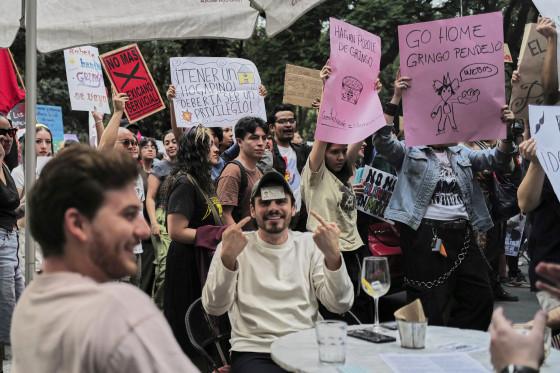
Protests erupting across Mexico’s vibrant tourist hotspots reveal a deeper narrative of inequality that stretches far beyond the sunny beaches and historic streets. As local communities rally against disruptive tourism practices, the unrest underscores the persistent socio-economic disparities plaguing Latin American cities. From Cancun to Oaxaca, residents are challenging the notion that tourism is a universal boon, instead highlighting how it often exacerbates existing inequalities and marginalizes local voices. In this article, we explore the roots of these protests, examining how they reflect broader regional issues of wealth distribution, political power, and social justice, ultimately calling into question the sustainability of a tourism model that benefits a select few over the many.
Understanding the Roots of Inequality Behind Mexico’s Tourism Protests
The wave of protests in Mexico’s tourism hotspots reflects deeper social and economic inequalities that are pervasive across Latin America. While tourism is often touted as a vital source of revenue and job creation, the benefits tend to be unevenly distributed. Local communities frequently find themselves sidelined in the decision-making process, leading to frustrations that manifest as public demonstrations. Residents question the sustainability of an industry that tends to favor large corporations and foreign investments over the needs of the local populace, sparking debates about who truly benefits from this economic model.
This discord has roots in historical patterns of inequality, where urban centers cater primarily to tourists at the expense of marginalized communities. The burgeoning tourism economy brings both opportunity and challenges, prompting urgency in discussions about fair employment practices, equitable resource allocation, and environmental stewardship. Essential questions arise regarding the rights of residents versus the ambitions of stakeholders who prioritize profit over people. Addressing these issues is crucial for fostering sustainable tourism that supports all members of society, not just a select few.
Addressing the Economic Disparities in Latin American Urban Centers
The wave of protests in Mexico, which has drawn attention to the inequalities faced by local communities, reflects broader economic disparities pervasive in urban centers across Latin America. As tourism booms in cities like Cancún and Oaxaca, the benefits are often unequally distributed, privileging investors and wealthy business owners over marginalized populations. Local residents frequently find themselves grappling with rising costs of living and inadequate public services, which creates a deepening cycle of poverty and disenfranchisement.
To truly address these disparities, several strategies must be considered:
- Inclusive Economic Policies: Implement policies that prioritize local entrepreneurship and support small businesses to ensure economic benefits reach a broader section of the community.
- Invest in Public Infrastructure: Enhance transportation, education, and healthcare access to empower residents and improve their quality of life.
- Community Engagement: Involve community members in planning and decision-making processes related to tourism development to ensure their needs and voices are recognized.
These measures could significantly shift the balance, fostering a more equitable distribution of wealth and resources in Latin American urban centers, and combating the underlying societal issues that fuel unrest.
Strategies for Sustainable Tourism That Benefits Local Communities
To address the disparities highlighted by recent tourism protests in Mexico, it is essential to implement strategies that prioritize sustainable practices and ensure that local communities financially benefit from tourism activities. One approach is to develop community-based tourism initiatives that empower residents to manage and promote their own cultural and natural heritage. By fostering local entrepreneurship, these initiatives can create jobs and stimulate the local economy without the pitfalls of mass tourism. Key elements of these strategies include:
- Investing in local businesses to provide authentic experiences.
- Encouraging partnerships between tourists and local artisans.
- Promoting eco-friendly accommodations that benefit local communities.
Furthermore, establishing education and awareness campaigns for both tourists and locals can significantly enhance understanding and respect for local cultures. Providing training for local residents on sustainable practices can help them better engage with tourists while preserving their heritage. Additionally, policy-makers should consider implementing measures that ensure a portion of tourism revenues is funneled back into community development projects. An example of this could be seen in the following table:
| Project | Benefit to Community | Cost |
|---|---|---|
| Local Craft Workshops | Job Creation | $5,000 |
| Cultural Festivals | Community Engagement | $10,000 |
| Eco-Tourism Trails | Environmental Conservation | $15,000 |
Concluding Remarks
In conclusion, the recent protests against tourism in Mexico underscore a deeper, systemic issue rooted in longstanding inequalities that plague many Latin American cities. As local communities grapple with the socioeconomic consequences of an industry that often prioritizes profit over people, the calls for change resonate with a broader narrative of justice and equity. The strife in these vibrant destinations serves as a stark reminder that sustainable tourism must not only enhance economic opportunities but also address the needs and rights of local populations. As activists push for reforms and a more equitable distribution of resources, it becomes increasingly clear that addressing these disparities will be crucial for the future of tourism in Mexico and beyond. The path forward requires a commitment to inclusivity and a recognition that the well-being of local communities is essential for a truly thriving travel industry.









