
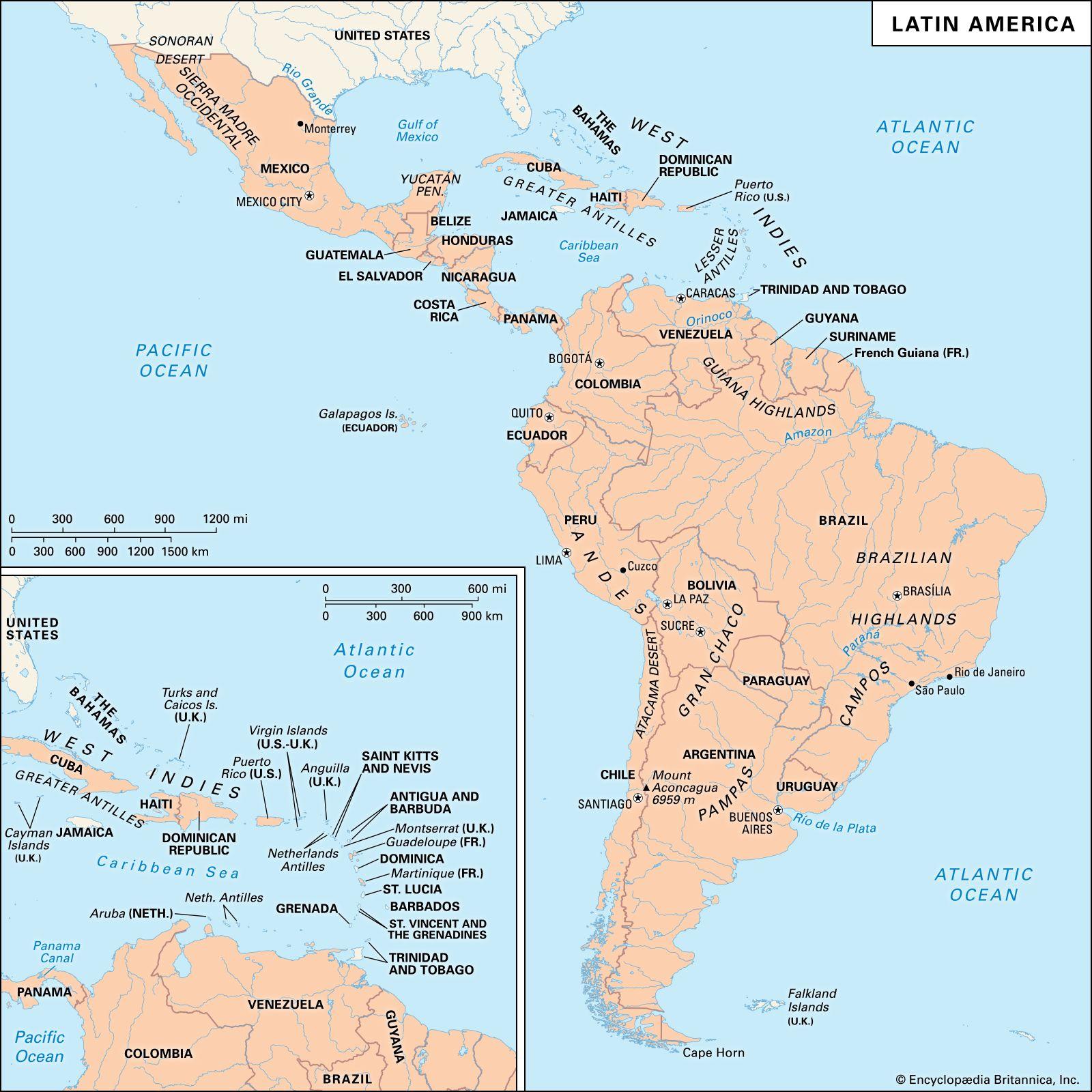
Latin America: The Target of Trump’s Neocolonial Offensive
In recent years, Latin America has emerged as a focal point for geopolitical maneuvering, with the United States under the Trump administration adopting a neocolonial approach that raises serious concerns about sovereignty and self-determination in the region. This strategy, characterized by aggressive economic policies, military posturing, and overt political interference, seeks to reassert American influence amidst a backdrop of mounting challenges from rising powers and internal strife. As nations grapple with the implications of U.S. interventions, the stage is set for an examination of the socio-political impact of these actions on Latin America’s diverse landscapes. In this article, we delve into the various dimensions of Trump’s neocolonial offensive, exploring its historical roots, the reactions it elicits from regional leaders, and the broader implications for Latin American identity and autonomy.
Latin America’s Struggle Against Neocolonialism in the Wake of Trump’s Policies
The policies implemented during Trump’s administration have exacerbated the existing inequalities and power dynamics between the United States and countries in Latin America. Rooted in a long history of economic domination, these strategies have fueled a resurgence of neocolonial sentiments. Key aspects of this ongoing struggle include:
- Trade Agreements: The renegotiation of trade deals, particularly NAFTA into the USMCA, has often prioritized U.S. interests, sidelining the needs of Latin American economies.
- Foreign Aid Cuts: Significant reductions in foreign aid have weakened social programs in countries heavily dependent on U.S. support, leading to increased poverty and instability.
- Immigration Policies: Strict immigration rules have depicted Latin Americans as threats rather than individuals fleeing violence, further stigmatizing entire communities.
In response, several Latin American nations have begun to coalesce around a common front against these neocolonial tactics, seeking solidarity and collaboration within the region. Emerging movements are advocating for:
- Regional Integration: Policies promoting economic cooperation and reducing dependency on the U.S. market.
- Social Justice Initiatives: Grassroots efforts that prioritize equity, inclusion, and access to resources for marginalized populations.
- Decolonization of Media: Campaigns aimed at reshaping narratives that often portray Latin America through the lens of U.S. interests.
These responses not only highlight the resilience of Latin American societies but also pave the way for a reimagined relationship based on mutual respect and shared sovereignty.
Economic Exploitation and Political Undermining: The New Colonial Agenda
The undercurrents of economic exploitation in Latin America have resurfaced with a vengeance, often masked under the guise of mutual cooperation and development. Trump’s administration has laid bare a strategy that seeks to consolidate resources while undermining local governance. This approach entangles itself with multinational corporations eager to exploit the region’s rich natural resources, thereby creating a modern form of neocolonialism. Through various treaties and trade agreements, the U.S. aims to lock countries into economic dependencies that serve its interests, displacing local markets and fueling social discontent. The implications are catastrophic, inciting not just economic stagnation but also exacerbating poverty levels among susceptible communities.
Furthermore, the political tactics employed in this orchestration are equally insidious. By undermining progressive governments seen as threats to U.S. interests, a narrative of instability is propagated, justifying intervention and support for more amenable regimes. Recent events, such as the backing of opposition figures in Venezuela and Bolivia, exemplify a concerted effort to restructure political landscapes favorable to U.S. capitalism. This political meddling is not merely a violation of sovereignty but a calculated move to stifle self-determination in favor of an agenda that prioritizes corporate gains over human rights, civil liberties, and genuine democratic governance.
Strengthening Sovereignty in Latin America: Strategies for Resistance and Solidarity
In response to the growing threat of neocolonialism in Latin America, a multifaceted approach is essential for the strengthening of sovereignty across the region. Countries must prioritize economic independence by rejecting dependency on foreign powers and fostering local industries. This can be achieved through a combination of strategies that emphasize the importance of regional integration and cooperation between nations. Key initiatives could include:
- Forming alliances to promote fair trade agreements that protect local economies.
- Implementing land reform policies to empower peasant farmers and restore control over agricultural production.
- Creating alternative financial systems that avoid reliance on institutions like the IMF and World Bank.
Solidarity among Latin American countries is crucial in this fight against external pressures. Grassroots movements and social organizations have the potential to mobilize communities for collective action, reinforcing the commitment to sovereignty. By fostering political unity and emphasizing cultural pride, nations can build resilience against hostile foreign influences. Some effective forms of solidarity might involve:
- Collaborative cultural exchanges that strengthen ties between nations.
- Joint initiatives aimed at sharing resources, knowledge, and technologies among local communities.
- Support for each other’s struggles against imperialistic policies through diplomatic channels.
The Way Forward
In conclusion, the ongoing policies and rhetoric from the Trump administration have intensified concerns regarding a neocolonial approach to Latin America. As economic exploitation and political interventionism take center stage, the sovereignty of nations in the region faces unprecedented challenges. The implications of these maneuvers etch a stark reality for millions, driving home the urgency for solidarity among Latin American countries in resisting external dominance. While the future remains uncertain, the growing awareness and resilience of local movements signal a powerful response to attempts of reasserting control. As the global community watches, one thing is clear: the struggle for autonomy in Latin America is far from over, and the path forward demands vigilance and unity against neocolonial threats.











