
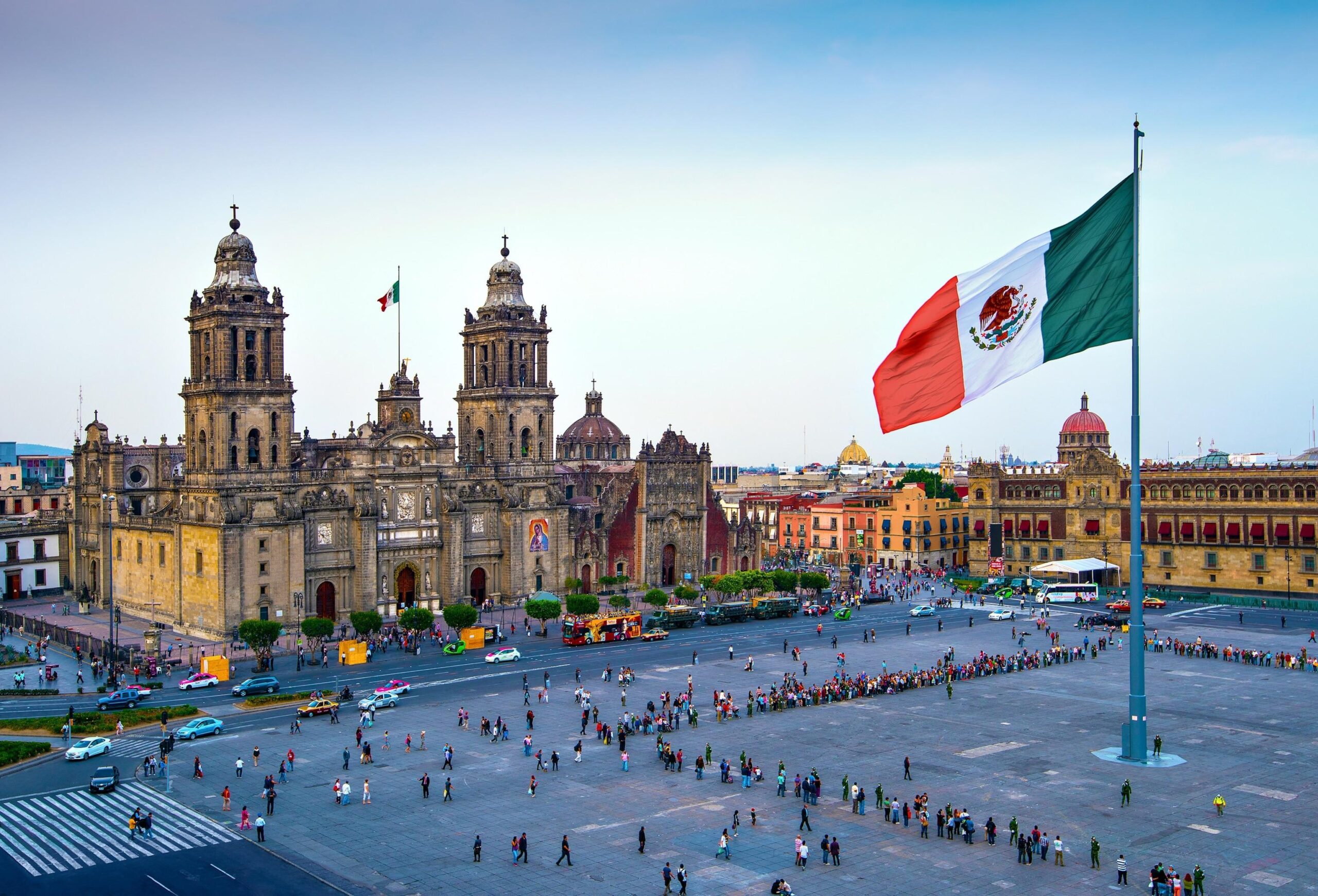
In a significant move that underscores ongoing tensions over territorial naming conventions, the Mexican government has officially filed a lawsuit against tech giant Google. The dispute centers on the company’s recent decision to label a portion of the Gulf of Mexico as the “Gulf of America” on its mapping services, a change that has ignited a wave of national pride and concern among Mexican officials. The lawsuit, which seeks to challenge the alteration, highlights broader issues of cultural identity and geopolitical sensitivity in the digital age. As Mexico asserts its rights to the historical and geographical nomenclature of the Gulf, this legal action raises critical questions about the influence of multinational companies on global cartography and the implications for national sovereignty.
Mexico’s Legal Challenge Against Google Signals Fight for Geographic Identity
The Mexican government’s legal action against Google highlights a broader struggle over geographic identity in an increasingly digital world. By declaring the term “Gulf of America” instead of the traditionally used “Gulf of Mexico,” Google has provoked not just a nationalistic response but also a deeper examination of how digital platforms influence geographical narratives. Mexico’s government argues that such alterations could mislead users and undermine the cultural significance and historical context associated with the region. The move is seen as an attempt to assert sovereignty over the identity landscape in an era where tech giants wield significant power over the information accessible to the public.
In the wake of this litigation, several key concerns have surfaced:
- Historical Integrity: Many are concerned that renaming familiar geographic landmarks dilutes their historical identities.
- Digital Sovereignty: Is it the responsibility of tech companies to conform to local definitions of geography?
- User Confusion: How will changes affect the way users search for information related to these geographic areas?
As this legal battle unfolds, it raises important questions about the role of technology in shaping perceptions of place and identity. Both sides seem poised to argue their case vigorously, potentially setting a precedent for how geographic naming rights are treated in the age of digital information.
Implications of the Gulf of America Naming Controversy on Digital Sovereignty
The recent lawsuit Mexico filed against Google regarding the renaming of “Gulf of Mexico” to “Gulf of America” underscores the complex interplay between corporate decisions and national identity. As digital platforms increasingly dominate the geopolitical landscape, the implications of this controversy extend beyond mere nomenclature. Countries may assert their digital sovereignty through legal channels, challenging major tech companies that wield significant influence over information dissemination and cultural representation. This situation reveals a growing recognition among nations of the need to reclaim authority over how their geographic identities are represented online.
Moreover, the case raises critical questions about the power dynamics between states and multinational corporations in the digital realm. The following factors illustrate the broader implications of this conflict:
- National Identity: Control over geographic names is seen as a matter of sovereignty and cultural heritage.
- Corporate Responsibility: Tech companies must consider the political sensitivities inherent in their platform management.
- Global Standards: This conflict could catalyze discussions about the need for internationally accepted guidelines on geographic naming.
| Implication | Impact |
|---|---|
| Strengthened Digital Sovereignty | Countries may prioritize legal frameworks to assert control over digital representations. |
| Increased Accountability | Tech giants may face pressure to rectify naming conventions that ignore local contexts. |
| New Alliances | Nations could unite to negotiate collective digital rights in the face of corporate power. |
Recommendations for Preserving Cultural Heritage in the Age of Global Technology
As technology rapidly evolves and shapes our global landscape, it becomes imperative for nations to safeguard their cultural identities amidst a wave of homogenization. One effective approach is fostering collaborative partnerships between local communities, governmental bodies, and tech companies. By establishing clear guidelines and frameworks for digital content that respects and promotes cultural narratives, we can ensure that heritage remains intact. Such collaborations might include:
- Education Initiatives: Launch programs that teach the importance of cultural heritage and responsible digital representation.
- Policy Development: Advocate for regulations that protect Indigenous names and historical sites from unauthorized use.
- Community Engagement: Involve local stakeholders in discussions about digital content that reflects their traditions and history.
Moreover, innovative use of technology can serve to enhance rather than diminish cultural heritage. Digital archiving, augmented reality applications, and social media campaigns can amplify the visibility of cultural stories while allowing younger generations to connect with their roots. Initiatives could include:
| Initiative | Description |
|---|---|
| Virtual Museums | Creating online platforms showcasing artifacts and traditions. |
| Interactive Storytelling | Utilizing apps that share folklore and history through engaging formats. |
| Cultural Competitions | Hosting contests that inspire creativity while focusing on heritage themes. |
Key Takeaways
In summary, Mexico’s legal action against Google over the controversial rebranding of the “Gulf of America” underscores the complexities of digital geography and national identity. The suit reflects broader concerns about the power of tech giants to influence the perception of cultural and geographical spaces. As the case unfolds, it may set important precedents for how digital platforms address historical and territorial naming conventions. The outcome could have far-reaching implications not just for Mexico, but also for countries worldwide grappling with similar issues in an increasingly interconnected digital landscape. As both parties prepare for what promises to be a notable legal battle, the world will be watching closely.











