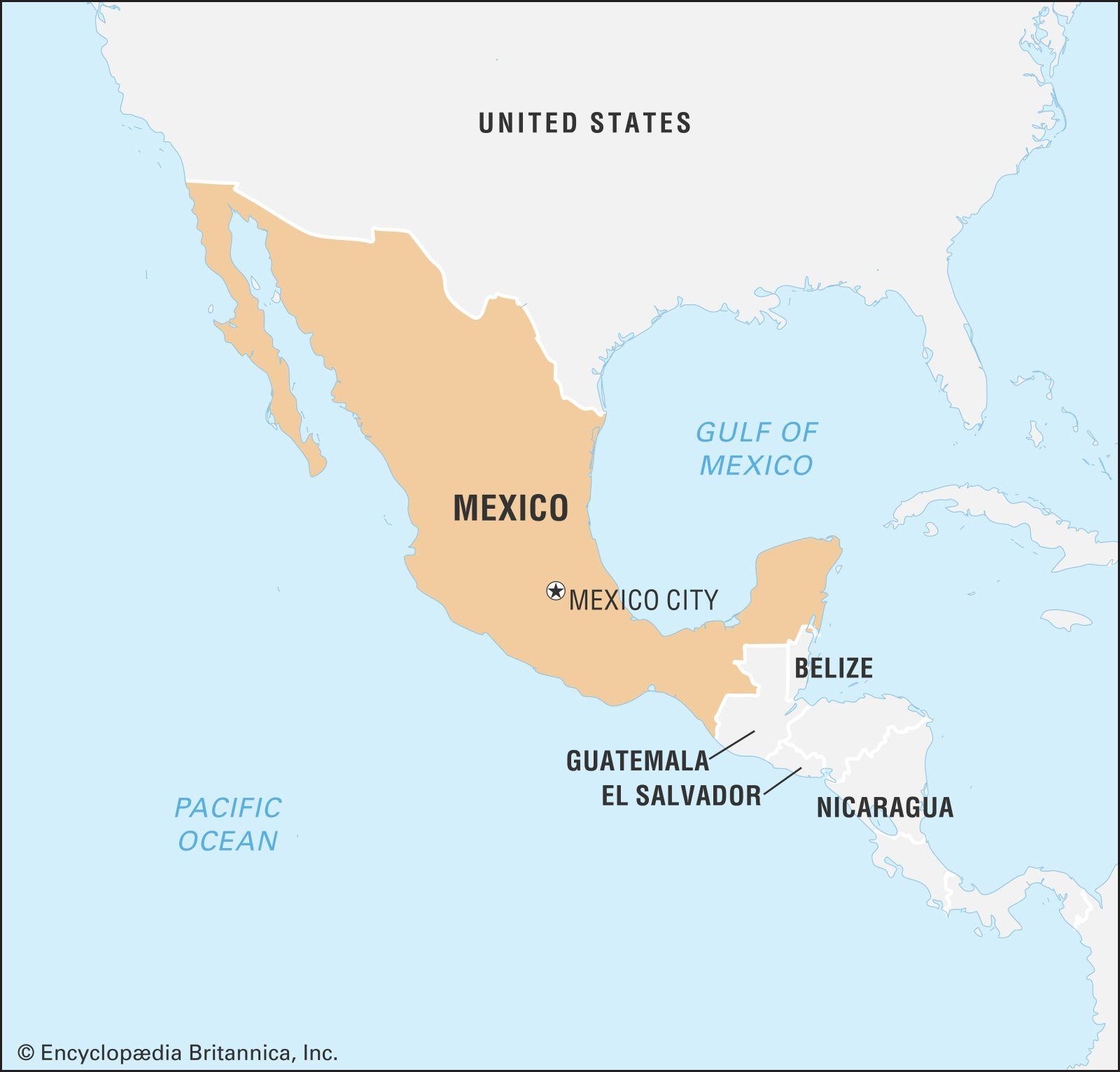
In a significant legal move, the Mexican government has initiated a lawsuit against tech giant Google over its controversial decision to label a portion of the Gulf of Mexico as the “Gulf of America.” This alteration, which has sparked outrage among Mexican officials and citizens alike, raises critical questions about territorial identity and the implications of digital mapping on international relations. As tensions mount, the case underscores the complexities of navigating sovereignty in an increasingly interconnected digital age. This article delves into the details of the lawsuit, the reactions from both governments, and the broader impact of geographic labeling on national pride and diplomacy.
Mexico’s Legal Challenge to Google’s Geographic Labeling and Its Implications
Mexico’s recent legal action against Google represents more than just a dispute over geographic labeling; it embodies the complexities surrounding national identity and historical narratives in the digital age. By designating a significant body of water as the “Gulf of America” instead of its historically recognized name, the “Gulf of Mexico,” Google has inadvertently sparked a wider debate about how digital platforms influence global perceptions of geography. This alteration raises questions on the responsibility of tech giants to respect and reflect the cultural and historical contexts of geographical terms that hold significance for particular nations and communities.
The implications of this lawsuit extend beyond the borders of Mexico, potentially affecting how other countries engage with digital maps and data. Legal experts suggest that a ruling in favor of Mexico could set a precedent for nations worldwide to assert their rights over digital representations of their geography. Key considerations in this case include:
- National Sovereignty: How digital platforms may undermine or alter perceptions of territorial integrity.
- Historical Accuracy: The importance of adhering to traditional nomenclature in global contexts.
- Corporate Responsibility: The duty of technology companies to accommodate local sentiments in their services.
This case highlights the delicate balance between innovation and respect for local culture in an increasingly interconnected world.
Understanding the Impact of the ‘Gulf of America’ Controversy on International Relations
The recent legal battle initiated by Mexico against Google over the company’s labeling of the body of water south of Texas as the “Gulf of America” instead of the historically accepted “Gulf of Mexico” has significant ramifications for international relations in North America. The controversy highlights sensitive national identities and the role technology companies play in shaping perceptions of geography. As Mexico seeks to protect its cultural and geographical heritage, the implications extend beyond mere nomenclature, potentially straining diplomatic ties through perceived affronts to national pride.
In addition, this lawsuit could set a precedent for how tech giants manage geographical data and terms in their platforms. The anxiety surrounding digital sovereignty emphasizes and could lead to a renewed emphasis on local governance over cultural representation in the digital space. Stakeholders may need to consider:
- Diplomatic Relations: How this case might influence bilateral talks between Mexico and the United States.
- Public Sentiment: Potential backlash from citizens if their cultural heritage is perceived as being disrespected.
- Tech Influence: The responsibility of tech companies in accurately representing geographical information.
This controversy serves as a microcosm of larger discussions surrounding cultural representation in a globalized digital landscape, raising questions about the balance between innovation and respect for national identities.
Recommendations for Navigating Digital Sovereignty in Geopolitical Disputes
In the face of rising tensions over digital sovereignty, stakeholders-ranging from governments to tech giants-must adopt strategic approaches to navigate geopolitical disputes effectively. Maintaining an awareness of international law and its implications is crucial. Governments should consider establishing clear frameworks that delineate their sovereignty in the digital space, allowing them to assert their claims while respecting international norms. This encompasses the need for active engagement in multilateral forums to address concerns related to data localization, digital infrastructure, and the control of online narratives.
Moreover, collaboration among stakeholders can play a pivotal role in preventing misunderstandings and fostering transparency. Establishing bilateral agreements between countries and tech companies can provide clarity and reduce friction. Key strategies include:
- Regular dialogues to address emerging digital issues.
- Joint initiatives aimed at enhancing digital literacy and awareness among citizens.
- Transparency protocols for tech companies regarding data management and geographical tagging.
Implementing these recommendations could not only mitigate the risks associated with digital disputes but also foster a more constructive relationship between nations and the technology sector.
Concluding Remarks
In conclusion, Mexico’s legal action against Google highlights the broader implications of digital representation and the importance of geographical accuracy in an increasingly interconnected world. As the dispute over the ‘Gulf of America’ label unfolds, it raises critical questions about national identity, the power of tech giants in shaping public perception, and the responsibilities that come with such influence. With both sides poised for a protracted legal battle, the outcome may not only redefine cartographic conventions but also set a significant precedent for how digital platforms engage with historical and cultural contexts. The world will be watching as this case progresses, underscoring the intricate relationship between technology, geography, and sovereignty in the modern age.