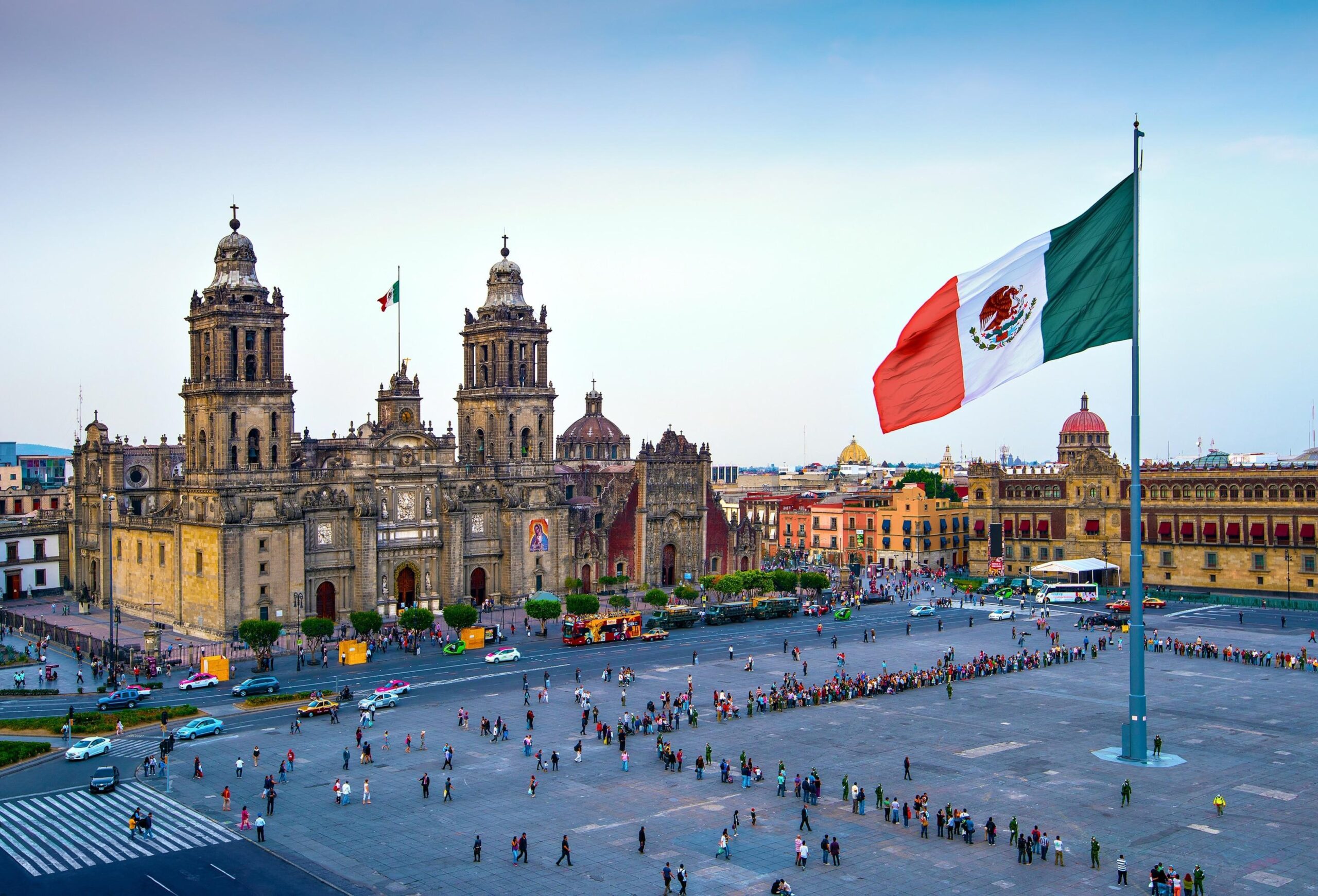
In a bold move that has captured the attention of both domestic and international audiences, the Mexican government has announced its intention to sue tech giant Google over the controversial labeling of the Gulf of Mexico as the “Gulf of America.” This designation, reportedly preferred by former President Donald Trump, has sparked outrage among Mexican officials who view it as a blatant affront to national sovereignty and cultural identity. The lawsuit, which underscores the complexities of digital geopolitics and national branding in the age of technology, poses significant questions about the influence of major corporations on geographic representation and the rights of nations to protect their historical and cultural landmarks. As tensions escalate over this contentious issue, the world is watching closely to see how this legal battle unfolds and what it may mean for the future of U.S.-Mexico relations.
Mexico Initiates Legal Action Against Google Over Gulf of Mexico Name Controversy
In a surprising turn of events, the Mexican government has officially filed a lawsuit against Google, claiming that the tech giant is misleadingly referring to the Gulf of Mexico as the “Gulf of America.” This change in nomenclature, they argue, aligns too closely with former President Donald Trump’s preferences and poses risks to national identity and geographic integrity. The government has taken this action to formally protest what it sees as an affront to sovereignty, emphasizing that the Gulf of Mexico is a vital part of Mexican heritage and culture.
The lawsuit outlines several key grievances, including the potential economic impact of such mislabeling, which could confuse tourists and researchers regarding the region. Mexican officials assert that accurate geographical representation is not just a matter of semantics, but rather essential for promoting the Gulf as a vital region for trade, ecology, and tourism. Consequently, the legal action aims to set a precedent that underscores the importance of respecting national boundaries and historical names in digital platforms. The Mexican government has outlined its position through a series of arguments:
- National Identity: The Gulf of Mexico is integral to Mexico’s geographic identity.
- Economic Concerns: Misleading labels could affect tourism and marine resources.
- Historical Significance: Accurate naming respects the cultural heritage of the region.
Implications of Digital Branding: National Identity and Sovereignty at Stake
The ongoing legal dispute between Mexico and Google highlights significant challenges posed by digital branding and its profound impact on national identity. The case arises from the tech giant’s controversial labeling of the Gulf of Mexico as the “Gulf of America,” a term reportedly favored by former President Donald Trump. This situation raises critical questions about how multinational corporations can shape perceptions of geographical and national identity through their platforms, often with little regard for local sentiments or historical significance. As branding becomes increasingly digital, the potential for misrepresentation or appropriation of a nation’s identity threatens the fabric of cultural sovereignty.
In this context, the implications extend beyond mere terminology; they address the power dynamics between nations and corporations. Key considerations include:
- Cultural Sensitivity: The need for corporations to recognize and respect local histories and terminologies.
- Legal Precedents: The potential outcomes of this lawsuit may set important legal standards regarding digital content and branding practices.
- Global Influence: How branding choices by powerful companies can perpetuate a narrative that may not reflect the collective voice of affected nations.
Furthermore, the legal battle underscores the intersection of technology and public policy in contemporary globalization. With digital platforms increasingly becoming the primary means of information dissemination, countries are urged to establish frameworks governing digital branding to protect their identities. The outcome of Mexico’s lawsuit may pave the way for international dialogues aimed at preserving cultural integrity in the face of expansive digital corporate practices.
Recommendations for Tech Giants on Navigating Sensitive Geopolitical Labels
As tech giants continue to expand their global reach, it becomes increasingly crucial for them to navigate the complex landscape of geopolitical sensitivities. The labeling of regions, as seen in the recent controversy involving Google and the Gulf of Mexico, exemplifies how seemingly benign decisions can escalate into serious diplomatic disputes. To prevent similar situations, companies should consider implementing the following strategies:
- Engage in Local Consultation: Establish partnerships with local governments and cultural experts to ensure awareness of regional sensitivities.
- Review Geopolitical Policies: Regularly update content and labeling policies to align with international norms and local expectations.
- Develop Crisis Management Plans: Prepare for potential backlash by creating protocols that include communication strategies and responsive actions.
- Promote Cultural Sensitivity Training: Educate employees about the cultural significance and political implications of various terminologies.
Moreover, transparency in communication can significantly mitigate misunderstandings. When a public relations crisis arises, having a clear statement outlining the company’s stance and rationale for its decisions is vital. This can be further enhanced by outlining a table of responses that addresses potential questions from stakeholders:
| Issue | Response Strategy |
|---|---|
| Inaccurate Labeling | Issue a public apology and clarify intentions behind the labeling. |
| Local Lawsuit | Engage with local authorities to discuss concerns and reach a mutual understanding. |
| Public Backlash | Launch a campaign highlighting the company’s commitment to cultural respect. |
Future Outlook
In conclusion, Mexico’s decision to initiate legal action against Google underscores the complexities intertwined with digital platforms and their influence on geopolitical perceptions. By labeling the Gulf of Mexico as the “Gulf of America,” a term associated with former President Donald Trump, the search giant has ignited a diplomatic dispute that transcends mere semantics. As the case unfolds, it raises critical questions about the responsibilities of tech companies in representing geographical and cultural identities accurately. Both nations will undoubtedly be watching closely as this legal battle progresses, and its implications may resonate far beyond the courtroom, reflecting the ongoing tensions between national pride and the pervasive influence of global technology. Stay tuned for further updates on this developing story.