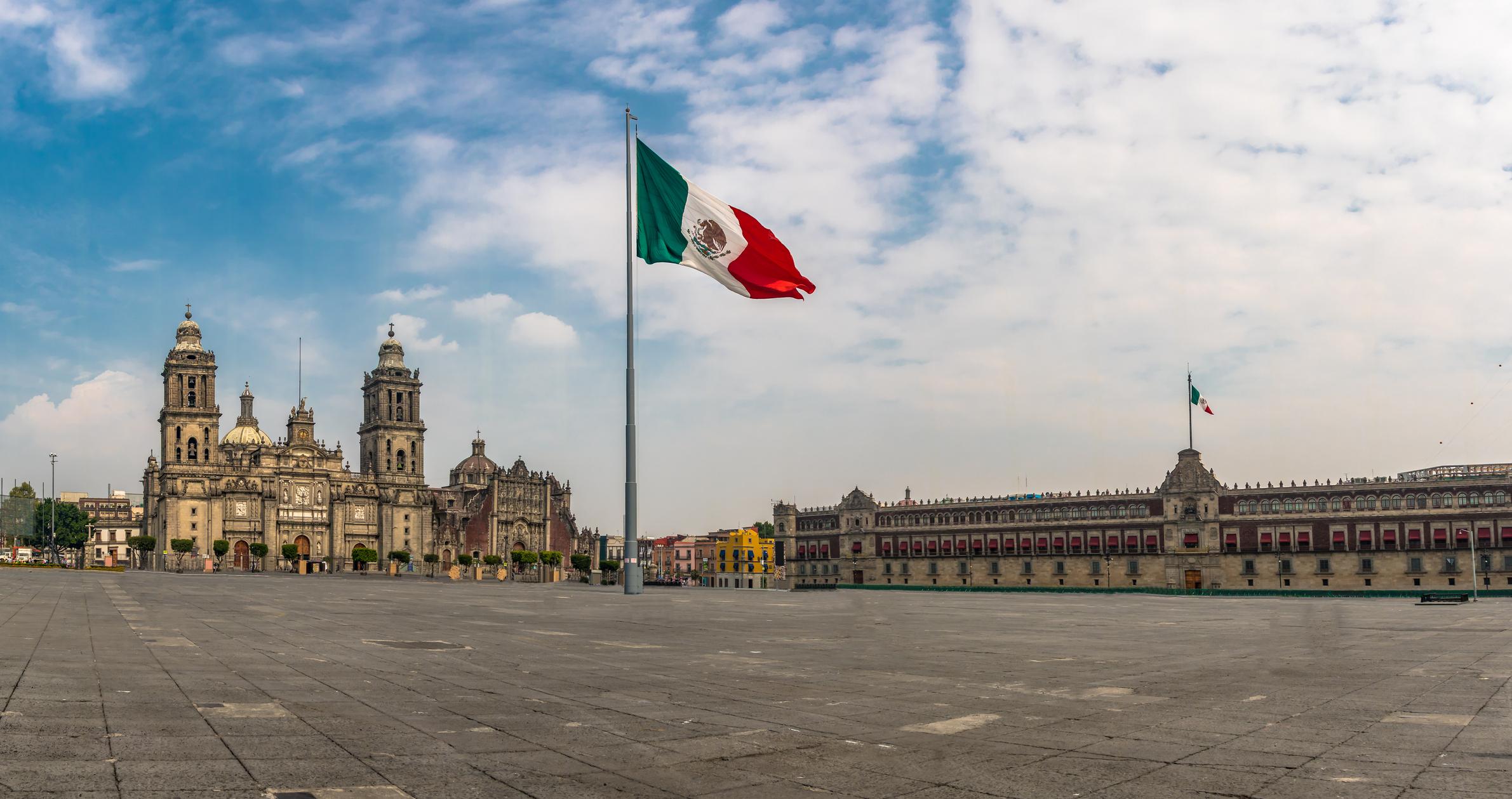
In a bold legal move, the Mexican government has initiated a lawsuit against tech giant Google for its controversial use of the term ‘Gulf of America’-a designation critics argue is an attempt to placate former President Donald Trump. The dispute stems from Google’s mapping services, where the name has been used in place of the widely recognized ‘Gulf of Mexico,’ igniting a flurry of nationalist sentiments and diplomatic tensions between Mexico and the United States. The lawsuit highlights the intricacies of digital geography and its implications on cultural identity, as well as the broader ramifications of how online platforms navigate political sensitivities. As the case unfolds, it raises important questions about sovereignty, digital representation, and the influence of corporate decisions on international relations.
Mexico’s Legal Challenge Against Google Over Gulf of America Naming Controversy
In a bold move, Mexico has initiated legal proceedings against Google, contesting the tech giant’s decision to label a significant body of water as the “Gulf of America”-a term that the Mexican government claims is not only misleading but also infringes upon its sovereignty. This legal challenge emerges in the context of rising tensions between the two nations, heightened by previous comments from U.S. officials, including former President Donald Trump, who had endorsed the name change ostensibly to bolster U.S. prominence in the region. Mexico argues that this nomenclature undermines historical and geographical recognition, threatening the cultural patrimony of its coastal states.
The lawsuit aims to rectify the perceived misrepresentation by demanding that Google revert its terminology to the internationally recognized name, “Gulf of Mexico.” The Mexican government has laid out several key arguments in its case, which include:
- Historical Context: The term “Gulf of Mexico” has been in use for centuries and reflects the cultural significance of the region.
- International Recognition: The name is widely accepted and used in international law and agreements.
- Economic Implications: The change complicates tourism and trade agreements that are predicated on established geographical names.
Implications for International Relations and Digital Sovereignty
The recent legal action taken by Mexico against Google over its usage of the term “Gulf of America” presents a significant case study in the evolving landscape of international relations. This lawsuit not only highlights tensions between a sovereign nation and a colossal tech entity but also underscores the potential implications for diplomatic dialogues and engagements in an increasingly digital world. Such conflicts could pave the way for greater scrutiny of how multinational companies navigate national identities and cultural sensitivities, ultimately challenging the hegemony of digital platforms in shaping geopolitical narratives.
Moreover, Mexico’s assertion of its territorial nomenclature serves as a crucial reminder of the need for digital sovereignty in the modern age. As countries grapple with their identities in the digital realm, the following considerations come into play:
- Identity and Branding: Nations may insist on the correct portrayal of their geographical and cultural identifiers in digital applications.
- Regulatory Frameworks: Legal frameworks may need to evolve to address the influence of American tech firms in foreign markets.
- Cyber Diplomacy: International negotiations may increasingly include clauses pertaining to digital content and representation.
These implications extend beyond the scope of a single lawsuit, potentially guiding future engagements between states and technology firms. With digital platforms acting as conduits for information and identity, the necessity for countries to assert control and ensure their narratives are respected becomes paramount in a globalized digital landscape.
Strategies for Navigating Geopolitical Tensions in the Tech Industry
Amid escalating geopolitical tensions, the tech industry must adopt multifaceted approaches to mitigate risks. Firstly, firms operating in multiple jurisdictions should strengthen their compliance frameworks to navigate the complexities of international regulations effectively. This can involve:
- Enhanced Risk Assessment: Regularly evaluating the geopolitical landscape to identify potential vulnerabilities.
- Stakeholder Engagement: Maintaining open channels with governments and local communities to foster trust and transparency.
- Diverse Supply Chains: Implementing strategies that minimize dependence on any single market or region.
Additionally, technology companies should focus on resilience and adaptability to swiftly respond to geopolitical shifts. This includes investing in:
- Innovation in Localization: Tailoring products and services to meet specific regional needs while navigating local regulations.
- Strategic Partnerships: Forming alliances with local businesses to strengthen market presence and reduce exposure to risks.
- Future-proofing Operations: Exploring alternative business models that are less susceptible to international tensions.
| Strategy | Description |
|---|---|
| Enhanced Risk Assessment | Regularly evaluate geopolitical vulnerabilities. |
| Stakeholder Engagement | Maintain trust with open communication. |
| Diverse Supply Chains | Minimize reliance on any single market. |
In Conclusion
In conclusion, Mexico’s lawsuit against Google marks a significant escalation in the ongoing tensions surrounding the naming of geographic regions. By challenging the tech giant’s use of “Gulf of America,” the Mexican government highlights issues of national identity and sovereignty in the face of digital corporate practices. This legal action not only seeks to reclaim the historical name “Gulf of Mexico,” but also serves as a broader statement on the influence of technology companies in shaping cultural narratives. As the case unfolds, it will be closely watched for its implications on international relations, digital norms, and the balance between corporate interests and national pride. The outcome may set a precedent for how nations defend their cultural heritage in an increasingly interconnected world.