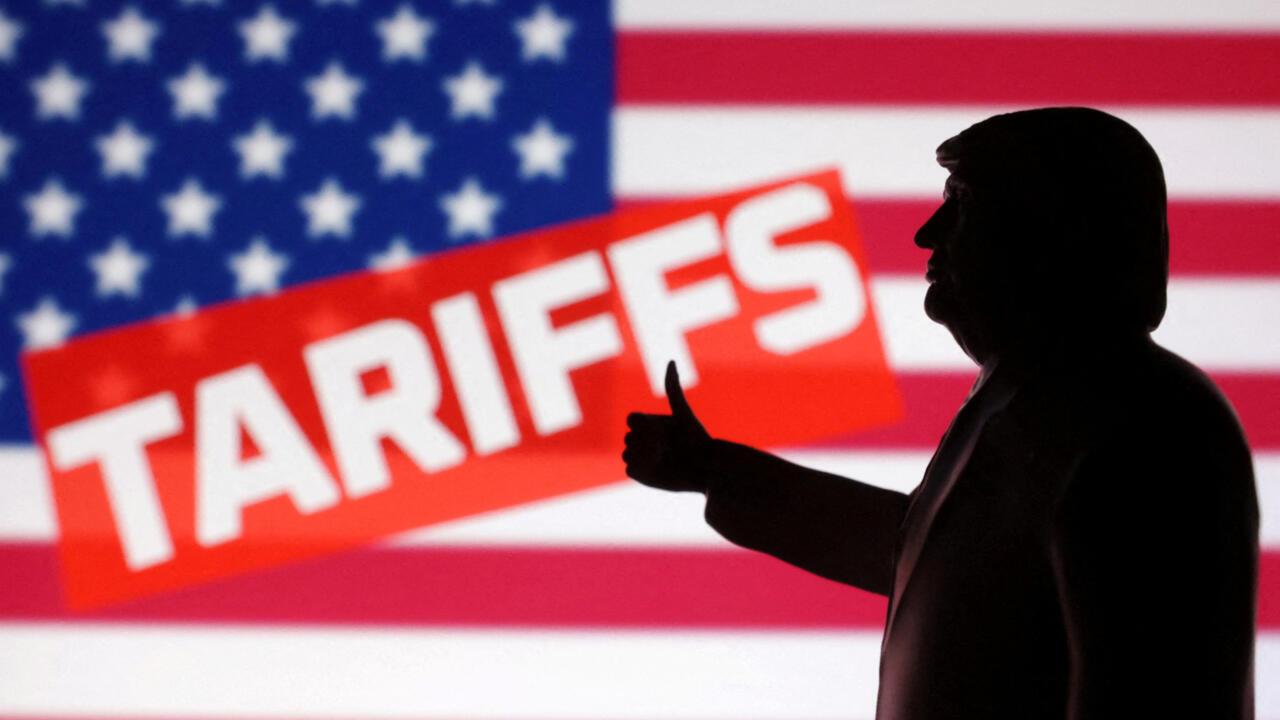
As the global economy braces for potential upheaval, President Donald Trump’s administration has announced a controversial plan to impose 30% tariffs on goods imported from the European Union and Mexico, set to take effect on August 1. This bold move has reignited fears of a trade war, intensifying existing tensions between the U.S. and its major trading partners. Economists and industry leaders alike are closely monitoring the situation, as the ramifications of such tariffs could ripple through markets, impact consumer prices, and disrupt supply chains worldwide. With both the EU and Mexico vowing retaliatory measures, the stage is set for a fierce diplomatic showdown that may redefine international trade relations for years to come.
Potential Impact of Tariffs on Transatlantic Trade Relations
The impending 30% tariffs imposed by the Trump administration on goods from the EU and Mexico could drastically alter the landscape of transatlantic trade relations. Economists and trade experts have raised concerns that these tariffs could provoke retaliatory measures, leading to an all-out trade war between the United States and its closest trading partners. As uncertainty looms, industries reliant on cross-border trade face significant disruptions, potentially affecting global supply chains. Key sectors that may be impacted include:
- Automotive industry: Increased costs could price out American consumers.
- Agriculture: U.S. farmers may find their products less competitive due to higher tariffs.
- Technology: Tariffs could hinder the free flow of innovation and collaboration between U.S. and European tech firms.
Furthermore, such tariffs might not only dampen economic growth but could also lead to a chilling effect on foreign investment. European companies and investors may rethink their strategies in light of rising costs associated with exporting goods to the United States. The potential for diminished collaboration and increased hostility between trade partners raises critical questions about the future of international agreements and economic integration. A quick look at recent trade patterns underscores the significance of these tariffs:
| Country | Annual Trade Value (USD) | Major Export Categories |
|---|---|---|
| Germany | $130 billion | Automobiles, machinery, chemicals |
| Mexico | $60 billion | Automotive parts, electronics, agriculture |
| France | $40 billion | Aerospace, luxury goods, agricultural products |
Economic Challenges for American Consumers and Businesses
The impending implementation of a 30% tariff on goods from the EU and Mexico portends significant economic repercussions for both American consumers and businesses. As trade tensions escalate, consumers may see an uptick in prices across a multitude of sectors, given that many everyday products imported from these regions will become considerably more expensive. Essential goods such as electronics, automobiles, and clothing are likely to be impacted most heavily, affecting the purchasing power of average Americans. Businesses, particularly those reliant on international supply chains, could also bear the brunt of these tariffs, facing increased operational costs that may force them to cut back on hiring or even pass the costs onto consumers.
Moreover, small- and medium-sized enterprises (SMEs) that depend on foreign markets for their growth and sustainability may struggle to adapt to such a sudden policy shift. Key challenges for these businesses include:
- Rising costs of raw materials
- Increased competition from domestic companies who may have a pricing edge
- Export restrictions and retaliatory tariffs from foreign governments
In light of these new fiscal realities, businesses will need to reassess their pricing strategies and market positioning. An immediate analysis of the potential effects on profit margins and customer base will be critical for survival in an increasingly uncertain economic landscape.
| Sector | Impact of Tariffs | Potential Response |
|---|---|---|
| Consumer Goods | Higher retail prices | Seek alternative suppliers |
| Automotive | Increased vehicle costs | Focus on domestic production |
| Technology | Costlier electronics | Invest in R&D for alternatives |
Strategies for Mitigating the Effects of a Trade War on Global Markets
As the threat of steep tariffs looms over international markets, it becomes crucial for businesses and investors to adopt effective strategies to cushion against potential shocks. Diversification is one of the most recommended approaches. Companies should consider expanding their supply chains beyond traditional markets, sourcing materials from countries that are not affected by tariffs. This geographical strategy can help mitigate risks associated with dependency on specific economies. Additionally, firms could explore alternative markets for their goods, targeting consumers who may benefit from lower production costs resulting from these strategic shifts.
Moreover, firms must enhance their financial resilience to endure the consequences of a trade war. This can be achieved through strict cost management practices, prioritizing essential expenditures while identifying areas to streamline operations. It’s also prudent for businesses to invest in technology that can optimize processes and reduce overhead; innovations such as automation can help offset potential losses from higher tariffs. For investors, assessing risk exposure in their portfolios becomes paramount. Keeping a close watch on geopolitical developments and reallocating assets to sectors less sensitive to trade tensions will ensure that portfolios remain robust even amidst turmoil in global markets.
To Conclude
As the clock ticks down to August 1, all eyes are on the potential fallout from President Trump’s proposed 30% tariffs on imports from the European Union and Mexico. With trade tensions escalating and both sides bracing for impact, the implications of such measures are poised to reverberate across global markets, affecting consumers, businesses, and international relations alike. Economic analysts warn that this trade war could lead to increased prices for American consumers and retaliatory tariffs from affected nations, which may further complicate the already volatile landscape of international commerce.
As negotiations continue and stakeholders prepare for the changes ahead, the question remains: Will diplomacy prevail, or are we indeed on the brink of an all-out trade war? The coming weeks will be crucial in shaping both the immediate economic environment and the long-term trajectory of U.S. trade policy. Stay tuned as we monitor this developing story and its far-reaching consequences.