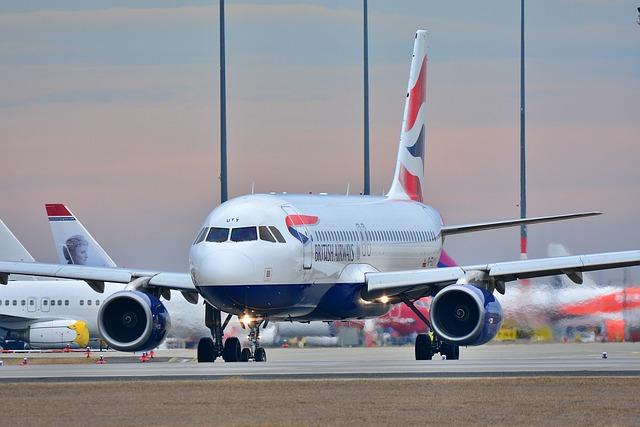
In a significant warning to the aviation industry, the Federal Aviation Administration (FAA) has issued an advisory regarding the risks associated with airlines operating over Mexico, Central America, and South America. The alert comes in response to a series of escalating military activities and heightened tensions in the region, raising concerns for the safety of commercial flights. As geopolitical dynamics shift, airlines are now faced with the daunting task of navigating an increasingly complex airspace landscape while ensuring the safety of their passengers and crew. This development signals a pivotal moment for international aviation regulations and the implications for air travel in Latin America.
FAA Issues Advisory on Increased Military Activity Over Latin America
The Federal Aviation Administration (FAA) has issued a critical advisory alerting airlines to exercise heightened caution when operating over Mexico, Central, and South America. This warning stems from an increase in military activities in these regions, particularly involving flight maneuvers and joint exercises that may pose potential hazards to civilian air traffic. The FAA stresses the importance of staying updated with the latest intelligence reports and encourages pilots to be prepared for unexpected military operations at any moment.
Airlines are strongly advised to consider the following precautions:
- Review flight plans: Constantly monitor air traffic control communications for any temporary flight restrictions.
- Maintain altitude awareness: Monitor changes in altitude and be prepared for possible rerouting.
- Implement safety protocols: Ensure that all crews are familiar with emergency procedures relevant to military engagement scenarios.
| Region | Military Activity Type | Advisory Level |
|---|---|---|
| Mexico | Joint Operations | High |
| Central America | Training Exercises | Moderate |
| South America | Live Fire Drills | Severe |
Safety Protocols for Airlines Operating in High-Risk Airspace
In light of the recent FAA advisory, airlines operating in regions identified as high-risk due to military activities are urged to adopt stringent safety measures. These protocols are designed to mitigate potential threats and ensure the safety of passengers and crew members during flights over Mexico, Central, and South America. Key protocols include:
- Enhanced Monitoring: Continuous surveillance of military movements and real-time updates from reputable intelligence sources.
- Altitude Restrictions: Adjusting flight altitudes to avoid potential ground-based risks, as determined by operational guidelines.
- Pre-flight Risk Assessments: Conducting thorough evaluations prior to embarking on flights over high-risk areas.
Airlines must also engage in collaborative efforts with national and international aviation authorities. Establishing an open line of communication is crucial to share intelligence and best practices. Further, airlines are encouraged to implement the following risk management strategies:
| Strategy | Description |
|---|---|
| Flight Path Alterations | Adjusting routes to avoid conflict zones according to updated intelligence reports. |
| Emergency Protocols | Regular drills for crew members on emergency procedures related to military incidents. |
| Passenger Communication | Informing travelers about the implications of flying over high-risk airspace. |
Essential Recommendations for Pilots and Flight Operators in Affected Regions
Given the increasing military activity over Mexico, Central, and South America, it is crucial for pilots and flight operators to prioritize safety and adhere to updated regulations. Operators should maintain constant communication with air traffic control and regularly check for any changes to flight advisories or airspace restrictions. Before departing, it’s advisable to review local weather conditions and be aware of possible military exercises that might affect flight routes, ensuring adjustments can be made promptly to avoid conflict zones.
Furthermore, implementing rigorous pre-flight planning can mitigate risks associated with unforeseen military engagements. Pilots are encouraged to utilize flight management systems that include real-time alerts regarding airspace changes. In addition, consider the following essential preparations:
- Brief all crew members on emergency protocols and communication channels.
- Establish alternative routes that circumvent risky areas.
- Monitor social media and news outlets for any updates regarding military activities.
For better operational readiness, here’s a brief overview of recommended equipment and measures:
| Equipment/Measure | Purpose |
|---|---|
| Emergency Beacon | Ensure signaling capability in case of emergencies. |
| Real-Time Navigation Tools | Provide up-to-date information on airspace changes. |
| Communications Equipment | Facilitate smooth coordination with air traffic control. |
Future Outlook
In conclusion, the Federal Aviation Administration’s warning to airlines operating over Mexico, Central, and South America underscores the increasingly complex landscape of air travel in regions marked by military activities and geopolitical tensions. As airlines navigate these heightened risks, the safety of passengers and crew remains paramount. Stakeholders in the aviation industry must remain vigilant and responsive to evolving conditions, ensuring adherence to the latest guidance from regulatory bodies. As the situation develops, continuous updates from the FAA and other relevant authorities will be crucial in maintaining safe air travel across these vital airspaces. Travelers planning flights in these regions should stay informed and consider potential disruptions as airlines assess their operational routes in light of these new advisories.