
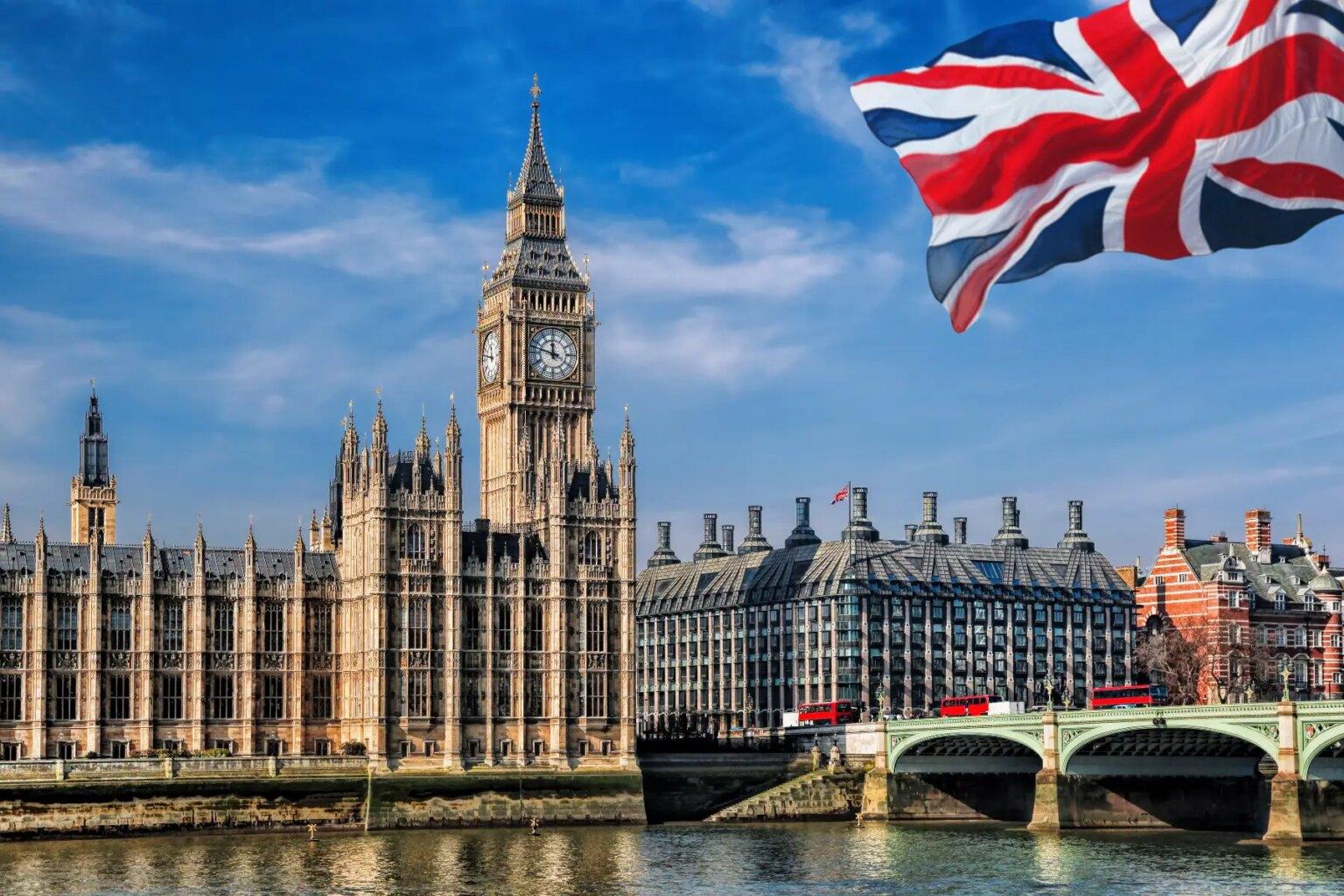
In a significant development for the Caribbean territory of Montserrat, the British government has declined a request to establish a Citizenship by Investment (CBI) program, a financial initiative that many believed could revitalize the island’s economy. The proposal, which aimed to attract foreign investors in exchange for citizenship, was seen as a potential lifeline for Montserrat, a British Overseas Territory recovering from the devastation of volcanic eruptions that reshaped its landscape and demographics in the 1990s. This decision has raised questions about the future of economic diversification on the island and the broader implications for CBI initiatives in the Caribbean region. As the government grapples with the challenges of limited resources and an aging population, local leaders and stakeholders are now contemplating alternative paths to foster growth and development.
British Government’s Rejection of Montserrat’s Citizenship By Investment Proposal Raises Concerns Over Economic Growth
The recent decision by the British government to turn down Montserrat’s request for a Citizenship By Investment (CBI) program has sparked a wave of concern among residents and local officials. The proposed scheme was seen as a potential lifeline for the island’s economy, which has struggled with limited growth and high unemployment rates. Advocates for the program argued that it could have attracted foreign investment, boosted tourism, and provided much-needed funding for essential public services. Key points of concern include:
- Reduced opportunities for economic diversification – Many residents fear that without new investment, the island’s reliance on traditional sectors such as agriculture and tourism will only deepen.
- Challenges in addressing local infrastructure needs – The rejection comes at a time when Montserrat’s infrastructure is in dire need of modernization, which could have been funded through CBI revenues.
- Potential out-migration of skilled citizens – The lack of economic prospects may lead to an increase in the emigration of young, skilled individuals seeking better opportunities abroad.
Critics of the British government’s stance suggest that the decision disregards the unique challenges faced by the small Caribbean territory. With a population of just over 5,000, Montserrat relies heavily on external aid while grappling with the aftermath of volcanic eruptions that devastated the island’s economy in the 1990s. An analysis of regional trends shows that CBI programs in other Caribbean nations have been remarkably successful in generating revenue and fostering economic stability. In a comparative table below, we highlight some successful CBI initiatives in the Caribbean:
| Country | Annual CBI Revenue (Approx.) | Key Benefits |
|---|---|---|
| St. Kitts and Nevis | $100 million | Infrastructure development, education funding |
| Dominica | $30 million | Disaster relief, social programs |
| Antigua and Barbuda | $60 million | Tourism enhancement, public works |
Analyzing the Implications of Denying Investment Opportunities for Montserrat’s Development
The recent decision by the British Government to reject Montserrat’s proposal for a Citizenship by Investment (CBI) program raises significant concerns regarding the island’s developmental trajectory. By denying this opportunity, the government not only curtails a vital avenue for economic growth but also stymies the potential for job creation and infrastructure development. Montserrat, a territory with limited natural resources and a fragile economy, relies heavily on external investment to foster an environment conducive to growth. The absence of a CBI program could lead to:
- Stagnation of Economic Growth: Without new capital influx, existing businesses may struggle, and the island’s overall economic dynamism may decline.
- Increased Emigration: A lack of viable job prospects may prompt skilled workers to seek opportunities abroad, further depleting the island’s human capital.
- Neglect of Infrastructure Development: With limited funding sources, necessary upgrades to essential services such as healthcare and education could be postponed indefinitely.
The implications extend beyond immediate financial constraints; they also erode public confidence in the governments’ ability to support Montserrat’s long-term prosperity. The finances that could have been generated through a CBI program are not just figures on a ledger but represent lifelines for local entrepreneurs and prospective investors looking to assist in revitalizing the island. Interestingly, many Caribbean nations have thrived through similar programs, capitalizing on this modern economic trend. The table below illustrates the performance of selected Caribbean CBI programs:
| Country | Estimated Investment Revenue (millions) | Year Established |
|---|---|---|
| St. Kitts and Nevis | $200 | 1984 |
| Dominica | $45 | 1993 |
| Antigua and Barbuda | $50 | 2013 |
Recommendations for Montserrat: Exploring Alternative Strategies to Boost Economic Resilience
In light of the British government’s decision to reject Montserrat’s request for a Citizenship By Investment program, the island must pivot towards alternative economic strategies to foster resilience and sustainable growth. By harnessing its natural resources, Montserrat could develop sectors such as eco-tourism, which not only preserves its unique landscapes but also taps into a growing market of environmentally conscious travelers. The government could consider initiatives to attract green investments, focusing on renewable energy projects that utilize Montserrat’s geothermal potential, thereby reducing reliance on imported fossil fuels and creating jobs in the process.
Additionally, diversifying the local economy through education and technology sectors could provide new opportunities for residents. Establishing partnerships with international educational institutions could facilitate knowledge transfer and skill development, equipping the workforce for emerging industries. Some strategies to consider include:
- Creating Tech Hubs: Fostering a digital economy by attracting tech startups could stimulate entrepreneurial activities.
- Developing Agricultural Exports: Focusing on organic farming could position Montserrat as a supplier of premium products in niche markets.
- Strengthening Fisheries: Implementing sustainable fishing practices may enhance food security while boosting export potential.
Final Thoughts
In conclusion, the British government’s rejection of Montserrat’s request to establish a Citizenship by Investment program underscores the complexities and sensitivities surrounding immigration and economic development in the Caribbean. As regional nations continue to explore innovative strategies for growth, this decision raises important questions about the balance between protecting national interests and fostering sustainable economic opportunities. Montserrat’s plight reflects broader challenges within the region as it seeks to navigate the evolving landscape of global citizenship and investment. Stakeholders and policymakers will need to reassess their approaches if they are to successfully contend with the financial aspirations of their citizens while complying with international standards. As Montserrat charts its course forward, the implications of this decision will likely resonate throughout the Caribbean, shaping the future of citizenship and investment initiatives across the region.











