Soufrière Hills Volcano (Montserrat): A Close Encounter with Pyroclastic Flows
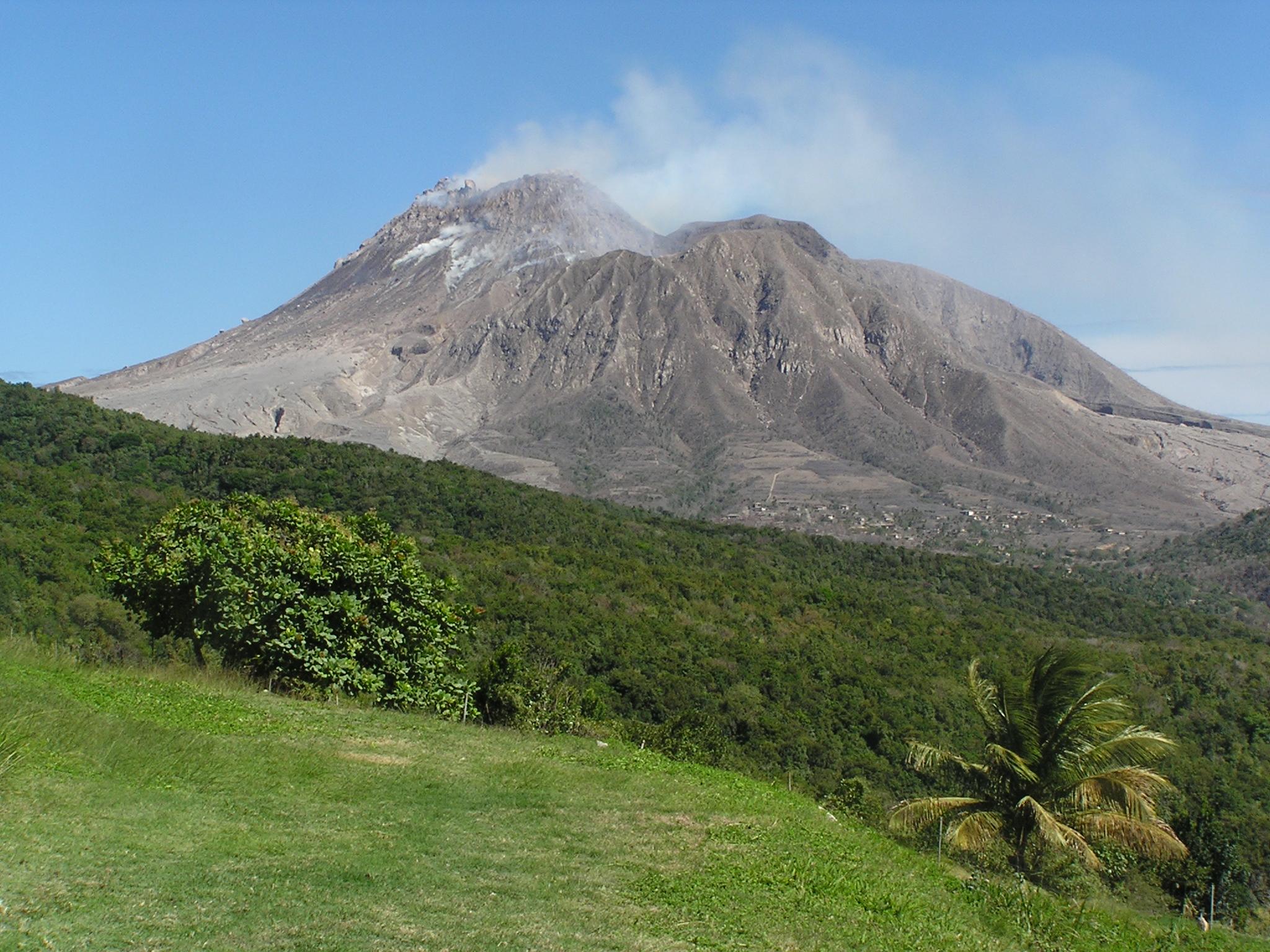
As the Caribbean island of Montserrat continues to recover from nearly three decades of volcanic activity, the Soufrière Hills Volcano remains a powerful reminder of the Earth’s volatile nature. Since its eruption began in 1995, this stratovolcano has captivated scientists and the public alike, particularly due to its spectacular yet devastating pyroclastic flows-fast-moving currents of hot gas and volcanic matter that pose a significant threat to life and property. In this article, we delve into the latest developments surrounding the Soufrière Hills Volcano, examining the ongoing research efforts, the implications for the local population, and the lessons learned from one of the region’s most compelling geological phenomena. With a renewed focus on monitoring and understanding volcanic behavior, the story of Soufrière Hills is a testament to the resilience of Montserrat’s communities and the challenges they face as they coexist with an ever-changing landscape.
Understanding the Pyroclastic Flows of Soufrière Hills Volcano and Their Impact on Montserrat
The Soufrière Hills Volcano, active since 1995, has generated significant pyroclastic flows that have reshaped both the landscape and the lives of Montserrat’s inhabitants. These flows, fast-moving currents of hot gas and volcanic matter, have reached speeds of up to 700 km/h and temperatures exceeding 1000°C. Their composition typically includes volcanic ash, pumice, and rock fragments, making them one of the most hazardous phenomena associated with volcanic eruptions. The peril posed by these flows is exacerbated by their ability to follow valleys and other natural pathways, allowing them to travel long distances from the volcano. This tendency highlighted the need for effective monitoring and early warning systems, which have been essential for safeguarding the remaining population and reducing the risk of catastrophe.
In terms of impact, pyroclastic flows have drastically altered the geography of Montserrat, obliterating entire towns and communities, most notably the capital, Plymouth. The Pyroclastic Flow Summaries outline the frequency and intensity of recent flows and have proven crucial for risk assessment and urban planning. The restoration of affected areas, both economically and ecologically, poses a considerable challenge for the government and residents alike. Some of the devastating effects include:
- Destruction of infrastructure: Roads, buildings, and utilities have been severely damaged, complicating recovery efforts.
- Displacement of residents: Thousands have been forced to relocate, altering the demographic landscape of the island.
- Long-term ecological effects: Ecosystems have been disrupted, impacting local flora and fauna.
| Year | Impact Severity | Estimated Damage (USD) |
|---|---|---|
| 1995 | Severe | 1.5 million |
| 1997 | Catastrophic | 50 million |
| 2003 | Moderate | 5 million |
Safety Measures and Preparedness Strategies for Residents Near Soufrière Hills Volcano
Residents living in the vicinity of Soufrière Hills Volcano must stay vigilant and prepared to mitigate risks associated with potential eruptions. Establishing a comprehensive safety plan is essential, which may include the following measures:
- Evacuation routes: Know the fastest escape routes from your home and community. Practice drills regularly.
- Emergency kits: Assemble kits with essential supplies, including food, water, medical supplies, and communication devices.
- Stay informed: Monitor local news and geological reports for updates on volcanic activity and alerts from authorities.
- Community engagement: Participate in local safety meetings to discuss preparedness strategies with neighbors and local emergency services.
Preparedness also includes understanding the effects of volcanic eruptions, particularly pyroclastic flows. Familiarize yourself with key terms and authorities’ advice on specific safety measures:
| Term | Definition | Safety Action |
|---|---|---|
| Pyroclastic Flow | A fast-moving current of hot gas and volcanic matter. | Evacuate immediately to high ground, away from valleys. |
| Volcanic Ash | Fragmented rock and minerals thrown into the air. | Stay indoors, seal doors and windows; use masks when going outside. |
| Lahar | Volcanic mudflow combining water and volcanic debris. | Avoid river valleys and seek shelter on higher ground. |
The Role of Monitoring Technology in Predicting Volcanic Activity at Soufrière Hills
Monitoring technology plays a crucial role in forecasting volcanic activity, especially at Soufrière Hills, where eruptions can have devastating consequences for local communities and ecosystems. Advanced systems such as seismic sensors, thermal cameras, and gas emission detectors have been integrated into the monitoring framework to provide real-time data on volcanic behavior. These tools help scientists analyze critical indicators of potential eruptions, enabling timely evacuation plans and public safety measures. The effectiveness of these technologies is underscored by their ability to detect early warning signs such as:
- Increased seismic activity indicating magma movement beneath the surface
- Thermal anomalies that suggest rising temperatures in the volcanic domes
- Gas output changes, particularly variations in sulfur dioxide levels
In addition to individual monitoring tools, a comprehensive approach that combines various technologies enhances predictive capabilities. Collaborative efforts between local and international geological agencies ensure that data is analyzed efficiently to improve accuracy. For instance, the integration of satellite imagery has revolutionized geospatial analysis, allowing for:
| Technology | Application |
|---|---|
| Seismic Monitoring | Detects tremors and volcanic quakes |
| Remote Sensing | Monitors surface deformation and thermal emissions |
| Gas Analysis | Tracks changes in volcanic gas output |
This multidimensional approach not only improves hazard assessments but also fosters a deeper understanding of the volcanic systems unique to Soufrière Hills, ultimately bolstering community resilience against potential threats.
In Conclusion
In summary, the Soufrière Hills Volcano on Montserrat remains a powerful reminder of nature’s unpredictable forces. The pyroclastic flows generated by its eruptions continue to pose significant risks to both the landscape and the lives of those who inhabit the island. As researchers and volcanologists keep a close watch on the volcano’s activity, the need for community awareness and preparedness is paramount. The ongoing investigations aim to enhance our understanding of volcanic behavior, ultimately helping safeguard residents and visitors alike. As we navigate the complexities of living in the shadow of such an imposing geological entity, continued vigilance and scientific inquiry will be essential in mitigating the challenges posed by this majestic yet volatile natural phenomenon.