
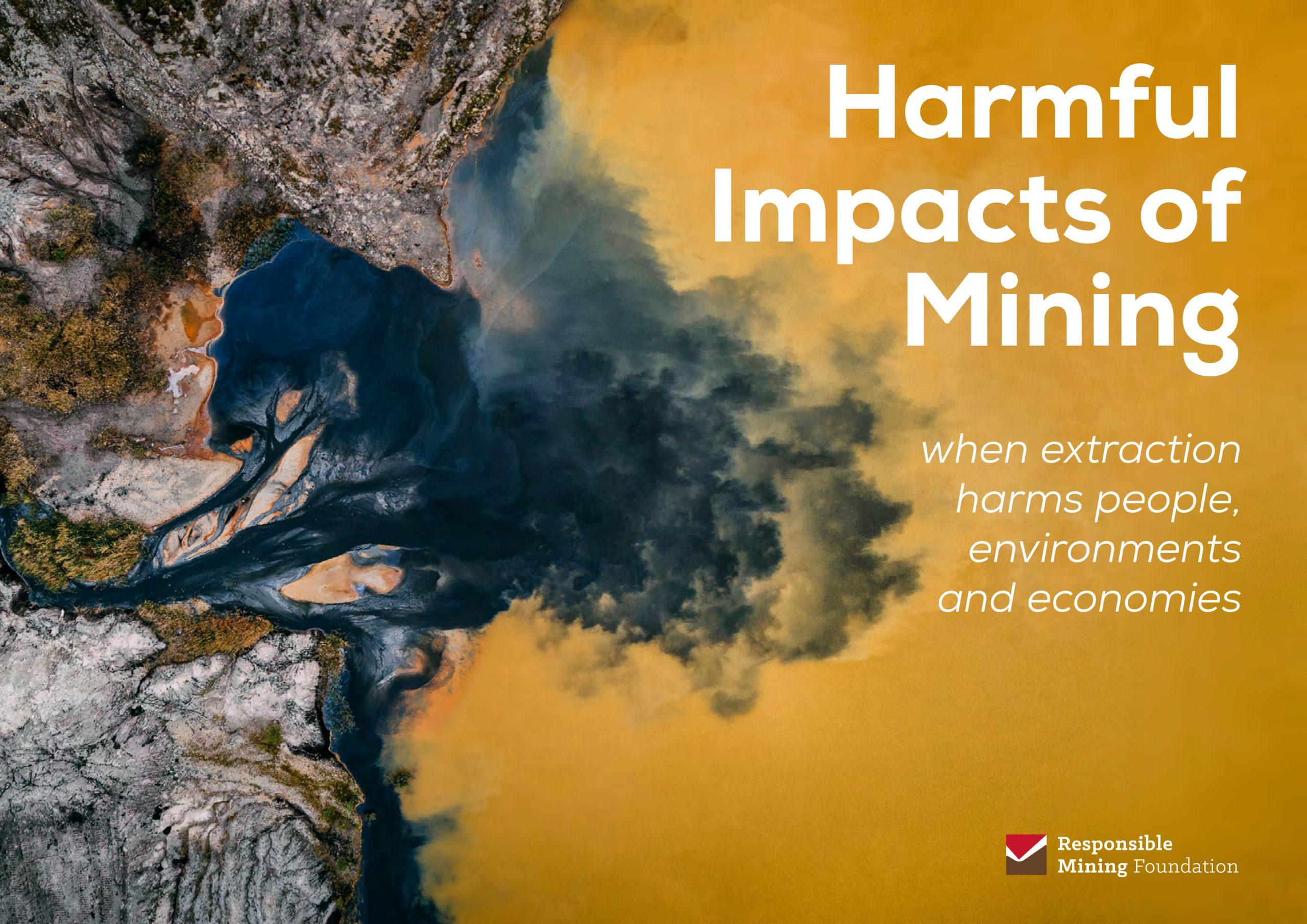
In a striking revelation that underscores the persistent challenges of environmental governance, a recent investigation by Mongabay has shed light on the ongoing illegal mining activities in Nicaragua, which continue unabated despite U.S. sanctions aimed at curtailing such practices. The report details how these operations, often linked to significant environmental degradation and human rights abuses, are thriving in a regulatory landscape marked by corruption and insufficient enforcement. As Nicaragua grapples with the dual pressures of economic development and environmental conservation, the findings raise poignant questions about the efficacy of international sanctions and the broader implications for sustainable practices in the region.
Impact of U.S. Sanctions on Nicaragua’s Mining Activities Amid Ongoing Environmental Degradation
The imposition of U.S. sanctions on Nicaragua has not deterred the country’s mining sector from continuing its harmful practices. New investigations reveal that despite the restrictions aimed at curbing economic activities that contribute to human rights violations and environmental degradation, illegal mining operations are thriving. Notably, the sanctions have led to significant shifts in the mining landscape, enabling local and foreign companies to exploit resources in regions with crucial biodiversity. The government’s weakened oversight has further exacerbated these challenges, allowing destructive mining techniques-such as open-pit extraction and the use of toxic chemicals-to proliferate unchecked.
In light of these developments, it is essential to examine the multifaceted impacts of the sanctions on Nicaragua’s mining sector. These impacts not only affect the economy but also pose severe risks to the environment and local communities. Key consequences include:
- Erosion of Protective Regulations: As engagement with international entities dwindles, the government is increasingly vulnerable to prioritizing short-term economic gain over environmental safeguards.
- Involvement of Illicit Actors: Sanctions have created a vacuum that is often filled by informal miners and organized crime, leading to increased corruption and exploitation.
- Social Unrest: Communities affected by mining activities are facing health challenges and environmental destruction, leading to rising tensions between local populations and the government.
Investigative Findings Reveal Links Between Illegal Mining and Local Communities’ Struggle for Sustainability
In a shocking revelation, recent investigative findings have unearthed a troubling connection between illegal mining operations and the persistent struggles faced by local communities in Nicaragua. Despite the imposition of U.S. sanctions aimed at curtailing these harmful practices, miners continue to exploit natural resources, putting both the environment and the social fabric of these communities at risk. Various reports indicate that communities impacted by illegal mining suffer from diminished access to clean water, loss of arable land, and increased health issues due to environmental degradation. These communities, often caught between the need for economic survival and the desire for sustainability, face an uphill battle against powerful mining interests that prioritize profit over people.
The investigation highlights how locals are often drawn into the mining economy due to lack of alternatives. Many families depend on meager incomes from these operations, which makes their predicament even more complex. The table below illustrates the reported impacts of mining on community resources, shedding light on the dire need for sustainable practices and community-led initiatives to mitigate these effects:
| Resource Affected | Impact |
|---|---|
| Clean Water | Contamination from runoff |
| Forest Cover | Deforestation and biodiversity loss |
| Soil Quality | Degradation leading to reduced agriculture |
| Community Health | Increased respiratory and skin diseases |
Recommendations for Strengthening Enforcement and Supporting Sustainable Practices in Nicaragua’s Mining Sector
To effectively combat the ongoing detrimental impacts of mining in Nicaragua, a multifaceted approach is essential. Strengthening enforcement mechanisms is critical for ensuring compliance with environmental regulations and labor practices. This could involve:
- Increasing inspections: Regular and unannounced inspections by environmental authorities would help deter illegal activities.
- Implementing strict penalties: Enforcement of harsher penalties for violations could significantly lower instances of non-compliance.
- Enhancing community involvement: Encouraging local communities to report illegal mining operations can lead to more effective monitoring.
Simultaneously, supporting sustainable practices within the sector is paramount for the long-term viability of Nicaragua’s natural resources. This can be achieved by promoting initiatives such as:
- Adopting green mining technologies: Investment in technologies that minimize environmental impacts must be prioritized.
- Providing training programs: Training for miners on sustainable practices can foster a shift towards environmentally friendly methodologies.
- Encouraging partnerships: Collaborations between government, NGOs, and mining companies can create frameworks for sustainable operations.
Concluding Remarks
In conclusion, the continued harmful mining activities in Nicaragua underscore the complexities of enforcing meaningful change through sanctions. Despite the U.S. government’s attempts to curb these operations as part of a broader strategy to protect the environment and human rights, local communities are still facing significant environmental degradation and social unrest. This investigation by Mongabay highlights the urgent need for a coordinated international response that goes beyond sanctions, advocating for sustainable practices and greater accountability from both governments and corporations involved in the mining sector. As the situation unfolds, it remains imperative for stakeholders to prioritize the rights of affected communities and the fragile ecosystems at risk, ensuring that the promise of justice is met with tangible actions. The story of Nicaragua’s mining sector is far from over, and vigilance will be crucial in the fight for a more equitable and sustainable future.











