
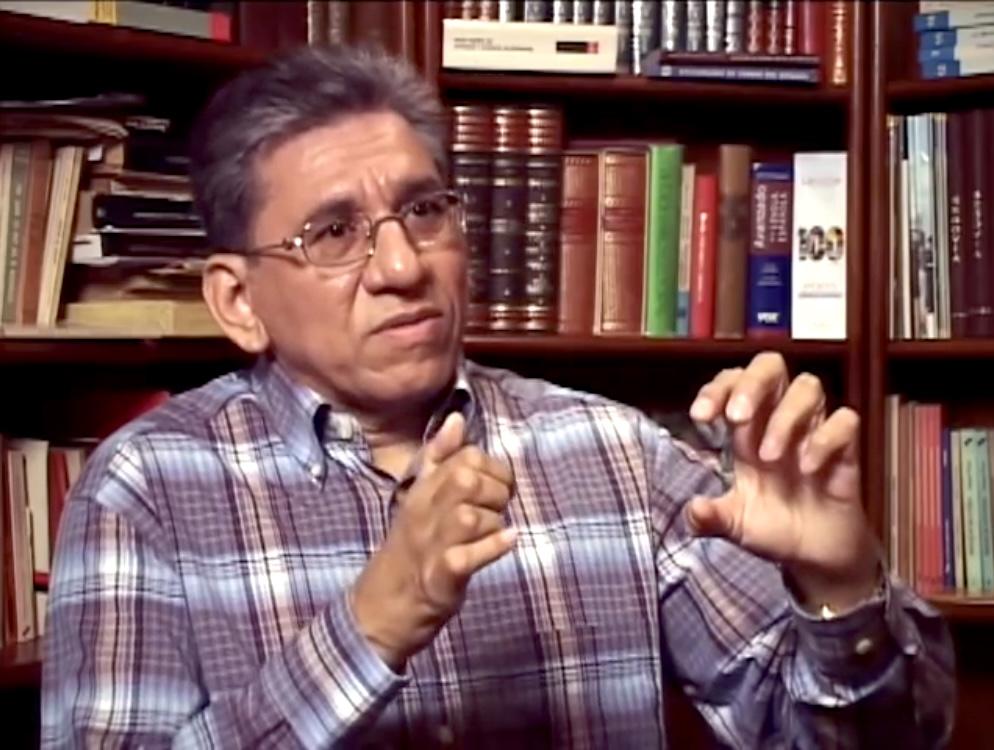
Humberto Ortega, a prominent figure in Nicaraguan politics and the older brother of former President Daniel Ortega, has passed away, marking the end of an era for a family that has long been at the center of the nation’s tumultuous history. Known both for his role as a co-founder of the Sandinista National Liberation Front (FSLN) and as a vocal critic of the current government, Humberto Ortega’s death has elicited a mixture of tributes and reflections on the divisive legacy of the Ortega dynasty in Nicaragua. As the country grapples with political unrest and social upheaval, his passing raises questions about the future of the Sandinista movement and the broader implications for its leadership. This article explores the life, career, and enduring influence of Humberto Ortega, a figure who remained both a revolutionary icon and a contentious critic up until his final days.
Humberto Ortega’s Legacy: A Critical Voice Against the Nicaraguan Regime
Humberto Ortega’s enduring influence on Nicaraguan politics stems from his role as a formidable opponent of the regime led by his brother, President Daniel Ortega. From his position as a former military chief, Humberto transformed into a critical voice, advocating for democratic reforms and human rights amidst a backdrop of state repression. His ability to challenge the government was rooted in his firsthand experience of the country’s strife, particularly during the Sandinista Revolution, which saw the overthrow of the Somoza dictatorship in the late 1970s. Despite his military pedigree, the stance he adopted was often one of dissent rather than compliance, leading to a complex relationship with both the state and his familial connections.
In the years leading up to his death, Humberto Ortega’s critiques became more pronounced, highlighting issues such as government corruption, political oppression, and social injustice. He catalyzed conversations about the need for a unified opposition while rallying various sectors of civil society to stand against authoritarian practices. Notably, his insights fostered intergenerational dialogues about the future of Nicaragua, propelling younger activists to voice their concerns. His legacy is not just one of familial ties but embodies a relentless pursuit of a more democratic and equitable society that resonates with many Nicaraguans today.
Impact of Humberto Ortega’s Death on Nicaragua’s Political Landscape
The passing of Humberto Ortega marks a significant turning point in Nicaragua’s political arena, where his dual role as both a brother and critic of President Daniel Ortega has long shaped the dynamics within the ruling Sandinista party. Humberto, a former military leader, was known for his outspoken views, often challenging the current government’s policies and direction. The absence of his voice is likely to create a vacuum that may embolden factions within the party, potentially leading to intensified power struggles. His death elicits questions about the future of the Sandinista movement and how various political entities will navigate the shifting alliances that have characterized Nicaraguan politics in recent years.
Moreover, Humberto’s death may reignite discussions surrounding issues such as governance, human rights, and economic policies, which have been hotly contested under his brother’s administration. Observers predict that his passing could lead to a re-examination of the Sandinista ideology, as factions vie for influence over key policies that resonate with the public. Implications for civil society are also significant, with activists watching closely for any potential shifts that might arise in response to internal party dynamics. The unanticipated power vacuum could either catalyze reform or incite further polarization within the already tense landscape of Nicaraguan politics.
Reflections on Reform: Lessons from Humberto Ortega for Future Nicaraguan Leadership
The passing of Humberto Ortega, a pivotal figure in Nicaragua’s revolutionary history, invites critical examination of the lessons his life serves for contemporary leadership. As one of the architects of the Sandinista revolution, Ortega’s legacy is complex, marked by both his role in establishing a revolutionary government and his later criticisms of its authoritarian turn. Current and future leaders in Nicaragua must reflect on the need for balance between revolutionary ideals and the principles of democracy and accountability. The trajectory of Ortega’s life highlights the importance of self-reflection and adaptability in leadership, reminding us that power, while necessary for change, can also corrupt ideals if left unchecked.
In considering the future of Nicaragua, emerging leaders ought to draw from Ortega’s experiences to avoid entrenched cycles of power. Key lessons include:
- Embrace dialogue over division: Engaging with dissenting voices fosters a more inclusive political environment.
- Prioritize transparency: Openness in governance can build trust and reduce the gravitation towards despotism.
- Adapt to change: Flexible leadership that responds to the populace’s evolving needs can prevent discontent and unrest.
These aspects serve not only as a tribute to Ortega’s complex legacy but also as a guiding framework for those who seek to lead Nicaragua into a more just and democratic future. By internalizing these lessons, new leaders can aspire to cultivate a political landscape that not only honors the struggles of the past but also innovatively addresses the hopes of the Nicaraguan people.
Closing Remarks
In conclusion, the passing of Humberto Ortega marks a significant moment in Nicaragua’s complex political landscape. As both a brother to former President Daniel Ortega and a vocal critic of his regime, Humberto’s life reflected the deep divisions within Nicaraguan society. His contributions to the Sandinista movement and subsequent criticisms of governmental policies highlight the ongoing struggle for democracy and human rights in the country. As Nicaragua mourns the loss of a figure who was both a brother and an adversary, it is clear that his legacy will continue to influence the discourse surrounding the country’s future. The Tico Times will continue to cover the implications of his death and the unfolding political situation in Nicaragua, as the nation grapples with the challenges ahead.











