
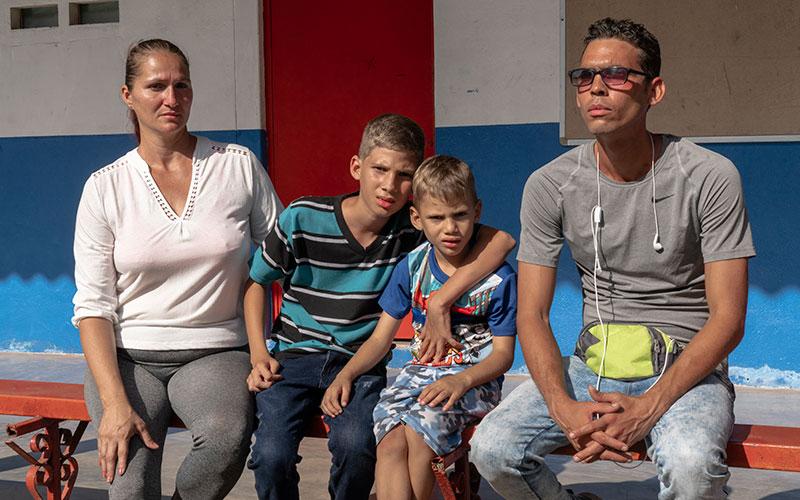
In a significant policy shift, the United States government announced the end of protected status for migrants from Cuba, Haiti, Nicaragua, and Venezuela, a move that will affect thousands who have sought refuge from political upheaval and economic instability in their home countries. This decision, highlighted by the U.S. Committee for Refugees and Immigrants, raises concerns among advocates and humanitarian groups about the implications for those who have relied on Temporary Protected Status (TPS) to shield them from deportation. As the Biden administration navigates a complex landscape of immigration reform and border security, the discontinuation of TPS reflects broader challenges faced by vulnerable populations seeking safety in the U.S. The ramifications of this decision are far-reaching, potentially destabilizing the lives of countless individuals and families who now face an uncertain and precarious future.
Impact of Policy Shift on Vulnerable Migrant Populations in the U.S
The recent policy shift by the U.S. government to end protections for Cuban, Haitian, Nicaraguan, and Venezuelan migrants has raised significant concerns among advocacy groups and humanitarian organizations. This change, which affects thousands of individuals fleeing dire conditions in their home countries, threatens to exacerbate the already precarious situations faced by these vulnerable populations. As many have relied on Temporary Protected Status (TPS) for stability, the decision to revoke these protections may force families into a state of uncertainty, risking deportation and separation from their communities in the U.S.
According to reports, the implications of this policy change include:
- Increased Vulnerability: Without TPS, migrants are left without legal status, making them more susceptible to exploitation and abuse.
- Health Risks: Many individuals may forego necessary medical treatments out of fear of deportation.
- Economic Hardships: The loss of work authorization could lead to financial instability, pushing families into poverty.
This situation calls for urgent attention from policymakers and humanitarian advocates to protect the rights and well-being of those who have sought refuge in the U.S. The community response is critical, fostering solidarity and support for affected individuals.
Challenges Faced by Cubans, Haitians, Nicaraguans, and Venezuelans Following Termination of Protections
The recent termination of immigration protections for individuals from Cuba, Haiti, Nicaragua, and Venezuela has sparked significant concern among community leaders and advocates. Many of those affected now face a precarious future, with the potential for deportation looming large. As families scramble to understand their options, they confront a multitude of challenges, including:
- Legal Uncertainty: The abrupt end to protected status leaves many individuals unsure about their ability to remain in the U.S. legally.
- Financial Hardships: Many have relied on employment opportunities provided through their protected status; losing this can lead to immediate economic strain.
- Access to Services: Without protections, access to healthcare, housing assistance, and educational resources becomes increasingly jeopardized.
- Fear of Deportation: The anxiety surrounding possible detention and deportation creates significant mental distress within these communities.
The implications of this policy change are profound, inflicting long-term effects on the stability and well-being of thousands. Organizations that previously offered support and resources now find themselves overwhelmed with the demand for help in areas such as legal aid, mental health support, and basic needs assistance. A stark visual representation of these challenges can be observed in the following table:
| Community | Immediate Challenges | Potential Solutions |
|---|---|---|
| Cubans | Employment Loss | Job Training Programs |
| Haitians | Housing Insecurity | Community Housing Initiatives |
| Nicaraguans | Mental Health Issues | Support Groups |
| Venezuelans | Legal Representation | Pro Bono Legal Services |
Recommendations for Advocating Refugee Rights and Comprehensive Immigration Reform
As the situation for refugees from Cuba, Haiti, Nicaragua, and Venezuela becomes increasingly precarious with the end of protective status, it is crucial for advocates and policymakers to prioritize and amplify the rights of these vulnerable populations. Advocacy efforts should focus on building coalitions among grassroots organizations, faith-based groups, and immigrant communities to strengthen their voices in demanding comprehensive immigration reform. Engaging with local, state, and federal representatives is essential to push for legislation that emphasizes human rights and ensures pathways to asylum. Additionally, raising public awareness through campaigns, social media outreach, and community events can mobilize public support and pressure decision-makers to act in favor of humane immigration policies.
Collaboration with legal aid organizations is also vital to provide essential services to those affected. Key strategies may include:
- Hosting workshops that educate immigrants about their rights and available legal resources.
- Creating a network of caseworkers and volunteers to assist individuals in navigating the asylum process.
- Developing partnerships with mental health professionals to address trauma and psychological needs among refugees.
By leveraging these strategies, advocates can effectively address the immediate needs of refugees while simultaneously working towards long-term solutions that promote justice and equality in U.S. immigration policy.
Wrapping Up
In conclusion, the U.S. Committee for Refugees and Immigrants’ recent decision to end temporary protected status for Cubans, Haitians, Nicaraguans, and Venezuelans marks a significant shift in U.S. immigration policy, impacting thousands of families who sought refuge from crises in their home countries. As the federal government re-evaluates its stance on humanitarian protections, advocates are raising concerns about the potential consequences for these vulnerable communities, many of whom have established lives in the U.S. over the past two decades. With this policy change, the future for many individuals hangs in the balance, amid an ongoing debate on the role of the U.S. in providing sanctuary for those fleeing violence and instability. As the situation evolves, continued attention to the implications of this decision will be crucial for understanding its broader impact on immigration and refugee policies in America.











