
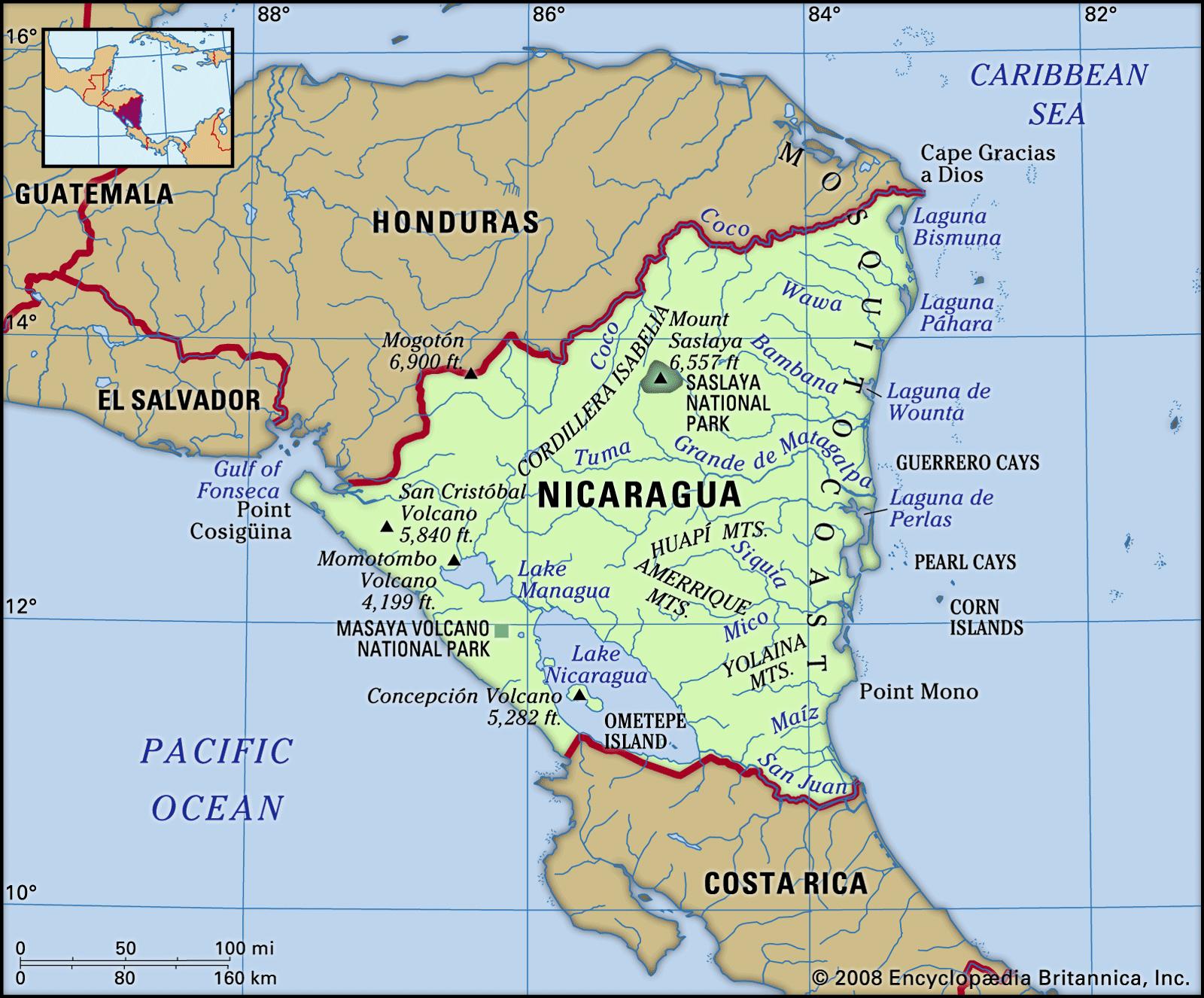
In a significant development in Nicaragua’s ongoing political crisis, the government has released 135 political prisoners as a result of previously undisclosed negotiations with U.S. officials. The move, which follows years of international condemnation for the detainment of opposition figures and human rights activists, marks a pivotal moment in the strained relationship between the Ortega administration and the United States. Observers suggest that this decision may be part of a broader strategy by President Daniel Ortega to ease growing pressure from both domestic and international fronts. As Nicaragua grapples with a complex political landscape, this release raises questions about the future of democracy in the country and the role of U.S. diplomacy in regional politics.
Nicaragua’s Release of Political Prisoners Sparks Debate on U.S. Diplomatic Strategies
The release of 135 political prisoners by Nicaragua’s government has ignited a fervent discussion surrounding the efficacy of U.S. diplomatic strategies in the region. Critics argue that these negotiations, conducted quietly by U.S. officials, may inadvertently legitimize the Sandinista regime by rewarding its actions without demanding substantial reforms. Proponents, however, contend that these moves are essential for prioritizing human rights and paving the way for a more significant dialogue with the Nicaraguan government. They assert that the release is a step towards de-escalation in a country long marred by political repression.
As this situation unfolds, several key aspects of U.S. foreign policy are being scrutinized, including:
- Engagement vs. Isolation: Should the U.S. engage with authoritarian regimes or adopt a more isolating stance?
- Human Rights vs. National Interests: How can the U.S. balance the promotion of democracy with strategic interests in the region?
- Long-term Solutions: Are short-term concessions sufficient for obtaining lasting change in Nicaragua?
In light of these questions, the diplomatic community is now considering the broader implications of this event, as well as the potential ripple effects on other Latin American countries facing similar political turmoil. An analysis of recent U.S. involvement in Latin America suggests a need for nuanced strategies that emphasize collaboration with civil society while maintaining pressure on authoritarian regimes.
Implications for Human Rights and Democracy in Nicaragua Following Prisoner Release
The recent release of 135 political prisoners in Nicaragua marks a pivotal moment that may signal potential shifts in the country’s human rights landscape. With growing international pressure, particularly from the United States, the move is seen as an attempt to improve relations and garner favor from the international community. This development raises questions about the future of civil liberties within a nation where dissent has been met with severe repression. Observers have noted that while the release is a positive step, it must be accompanied by sustained efforts to address the root causes of political persecution that have plagued Nicaragua for years.
The implications of this release extend beyond individual fates; they cast a spotlight on the fragile nature of democracy in Nicaragua. Monitoring organizations are calling for continued vigilance to ensure that these recent actions do not merely serve as a façade for deeper issues. Key factors to consider include:
- Restoration of Freedoms: The need for a holistic approach to reinstate freedom of expression and peaceful assembly.
- Long-term Political Solutions: Negotiations must transition from short-term releases to addressing systemic political issues.
- International Oversight: The establishment of monitoring bodies to ensure compliance with human rights standards.
Ultimately, the release of these prisoners may represent a critical juncture for Nicaraguan society, but it will require decisive and ongoing actions-both domestically and internationally-to transform this moment into a foundation for meaningful democratic reform. The global community’s role in advocating for sustained human rights progress will be essential in shaping a more just and equitable future.
Recommendations for Future U.S. Engagement in Central America to Promote Stability and Justice
In light of the recent political developments in Nicaragua, the United States must reassess its approach to fostering stability and justice in Central America. Building on the momentum created by the release of political prisoners, the U.S. can play a pivotal role in promoting democratic values and human rights across the region. Strategies may include:
- Strengthening diplomatic channels that encourage dialogue between the Nicaraguan government and opposition groups.
- Enhancing support for civil society organizations focused on human rights, governance, and community development.
- Promoting regional partnerships with neighboring countries to address cross-border issues such as migration and organized crime.
To effectively engage with Central American nations, the U.S. should also consider a multifaceted approach that combines immediate assistance with long-term strategies. This involves:
- Investing in economic development projects that create sustainable jobs and reduce dependency on informal economies.
- Facilitating educational programs that empower youth and encourage active participation in civic life.
- Implementing a comprehensive review of aid distribution to ensure resources are allocated to areas most desperately in need of stabilization and reform.
| Action Item | Description |
|---|---|
| Diplomatic Engagement | Encourage dialogue between government and opposition. |
| Support Civil Society | Fund organizations focused on human rights and governance. |
| Regional Partnerships | Collaborate on cross-border issues affecting stability. |
| Economic Investments | Develop sustainable job opportunities to reduce poverty. |
| Educational Programs | Empower youth through civic education and engagement. |
In Retrospect
In conclusion, the recent release of 135 political prisoners in Nicaragua marks a significant moment in the ongoing struggle for human rights and democracy in the country. This development, facilitated by discreet negotiations between the United States and Nicaraguan authorities, underscores the complexities of diplomatic efforts in addressing internal conflicts and promoting freedom. As families reunite and the international community reacts, questions remain about the broader implications for Nicaragua’s political landscape and the enduring challenges faced by those still imprisoned. Observers will be watching closely to see if this move signals a shift towards more open dialogue and reform or if it is simply a temporary concession amid continued domestic and international scrutiny. The journey for justice in Nicaragua is far from over, but these recent events offer a glimmer of hope for a nation striving for change.











